THE ADVENTURE COLLECTIVE® · Independent discovery and booking for outdoor travel

Drive from green springs to golden dunes on a full-day 4x4 that threads Chebika and Tamerza before crossing Ong Jmel and visiting the Mos Espa Star Wars set. Ideal for travelers who want culture, geology and cinematic landscapes in one Sahara-packed day.
Drive from green springs to golden dunes on a full-day 4x4 that threads Chebika and Tamerza before crossing Ong Jmel and visiting the Mos Espa Star Wars set. Ideal for travelers who want culture, geology and cinematic landscapes in one Sahara-packed day.
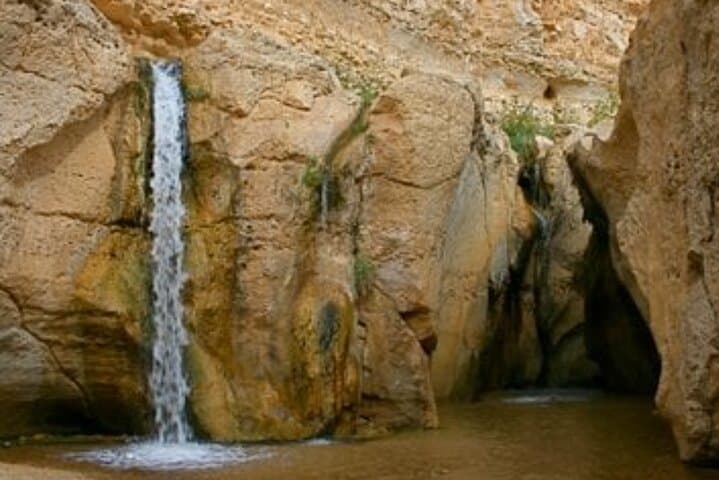
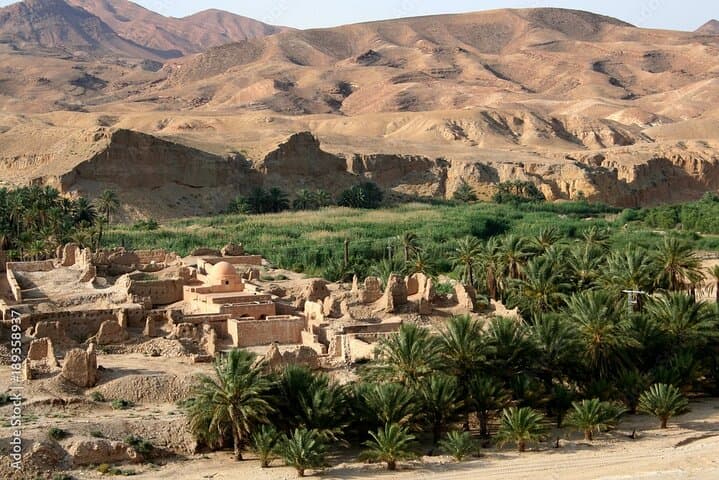
Dust rises in the wake of a 4x4 as the vehicle slips from the palm shade into an expanse of ochre and light. The road through Chebika opens onto a natural spring and a palm grove cupped by steep cliffs; water threads down the rock, daring the desert to silence it. Later the canyon at Tamerza widens into stepped waterfalls and the remains of a Berber settlement, where stone streets hint at lives shaped by scarce water and long summers.
Verified experiences and guided adventures in the surrounding area.
Operated by Halim T · Tozeur, Tozeur Governorate
Dust rises in the wake of a 4x4 as the vehicle slips from the palm shade into an expanse of ochre and light. The road through Chebika opens onto a natural spring and a palm grove cupped by steep cliffs; water threads down the rock, daring the desert to silence it. Later the canyon at Tamerza widens into stepped waterfalls and the remains of a Berber settlement, where stone streets hint at lives shaped by scarce water and long summers.
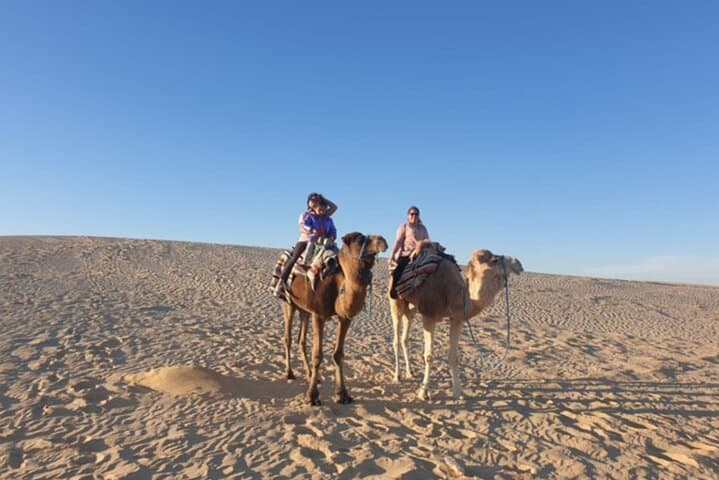
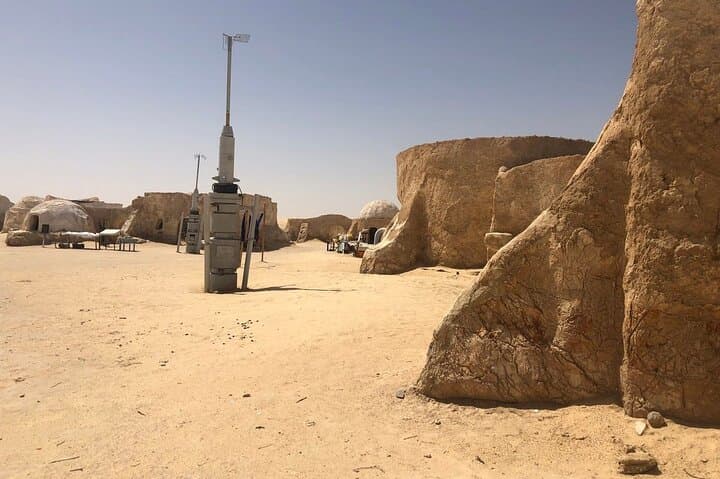
Geology here reads in broad strokes: folded Miocene layers give the canyons their ochre faces, while wind-scoured sand builds the high ridges of Ong Jmel. Culture is tangible—abandoned houses and narrow alleys point to centuries of oasis life—and modern cinema overlays those same dunes in Mos Espa, the Star Wars set that uses real Saharan light as a production designer.
Expect short walks at each oasis (mostly on uneven stone or packed sand), photo stops at rock formations, and a dune crossing where the 4x4 earns its keep. Temperatures swing: blistering sun by midday, cool in the shade and at sunset. Guides typically provide bottled water and private transport.
Practical notes: wear sturdy shoes with grip for rocky trails, bring sun protection and layered clothing for changing temperatures, and plan the trip outside peak afternoon heat. Stay on marked tracks in dune zones to protect fragile flora; carry a reusable bottle and refill when possible. This is a full-day, moderate outing for travelers comfortable with dusty roads, short hikes, and desert light that shifts from brutal to cinematic in an hour.
moderate.
6–8 hours.
Moderate fitness for short hikes (10–30 minutes) and tolerance for bumpy 4x4 rides
The excursion typically runs 6–8 hours, including stops at Chebika, Tamerza, Ong Jmel and the Mos Espa film set.
The activity involves bumpy 4x4 travel and short hikes; it is not recommended for pregnant travelers or those with serious back or heart conditions.
Guided tours commonly include admission fees and bottled water, but confirm details when booking.
Short walks from 4x4 stops are normal, but avoid venturing far into dune fields without guide supervision for safety and navigation reasons.
Chebika and Tamerza were once thriving Berber oasis villages; their ruins and irrigation systems reflect centuries of adaptation to scarce water. Mos Espa is a modern film set built using the Sahara's unique light and forms.
The Sahara’s vegetation and soil crusts recover slowly—stick to tracks, avoid trampling vegetation and pack out waste to reduce impact.
Halim T operates guided outdoor trips and adventures with an emphasis on safety, stewardship, and memorable experiences.
Dust rises in the wake of a 4x4 as the vehicle slips from the palm shade into an expanse of ochre and light. The road through Chebika opens onto a natural spring and a palm grove cupped by steep cliffs; water threads down the rock, daring the desert to silence it. Later the canyon at Tamerza widens into stepped waterfalls and the remains of a Berber settlement, where stone streets hint at lives shaped by scarce water and long summers.
Dust rises in the wake of a 4x4 as the vehicle slips from the palm shade into an expanse of ochre and light. The road through Chebika opens onto a natural spring and a palm grove cupped by steep cliffs; water threads down the rock, daring the desert to silence it. Later the canyon at Tamerza widens into stepped waterfalls and the remains of a Berber settlement, where stone streets hint at lives shaped by scarce water and long summers.
Geology here reads in broad strokes: folded Miocene layers give the canyons their ochre faces, while wind-scoured sand builds the high ridges of Ong Jmel. Culture is tangible—abandoned houses and narrow alleys point to centuries of oasis life—and modern cinema overlays those same dunes in Mos Espa, the Star Wars set that uses real Saharan light as a production designer.
Expect short walks at each oasis (mostly on uneven stone or packed sand), photo stops at rock formations, and a dune crossing where the 4x4 earns its keep. Temperatures swing: blistering sun by midday, cool in the shade and at sunset. Guides typically provide bottled water and private transport.
Practical notes: wear sturdy shoes with grip for rocky trails, bring sun protection and layered clothing for changing temperatures, and plan the trip outside peak afternoon heat. Stay on marked tracks in dune zones to protect fragile flora; carry a reusable bottle and refill when possible. This is a full-day, moderate outing for travelers comfortable with dusty roads, short hikes, and desert light that shifts from brutal to cinematic in an hour.