THE ADVENTURE COLLECTIVE® · Independent discovery and booking for outdoor travel

In 48 hours you can go from Tarangire’s elephant country to the dramatic bowl of Ngorongoro Crater, seeing dense wildlife populations from a pop-up roof 4x4. This short safari pairs guaranteed window seats with early-morning game drives and lodge stays—packed, practical, and wildlife-rich.
In 48 hours you can go from Tarangire’s elephant country to the dramatic bowl of Ngorongoro Crater, seeing dense wildlife populations from a pop-up roof 4x4. This short safari pairs guaranteed window seats with early-morning game drives and lodge stays—packed, practical, and wildlife-rich.
You step into dawn from a pop-up roof 4x4 as the Mara-like light slices across yellow grass; an elephant herd moves like slow weather along the Tarangire River, baobabs throwing long, patient shadows. The first day is a study in scale—wide savanna, seasonal swamps and birds layered over the low rumble of distant hooves.
Verified experiences and guided adventures in the surrounding area.
Operated by Serengeti Wakanda Tours & Safaris · Arusha, Arusha Region
You step into dawn from a pop-up roof 4x4 as the Mara-like light slices across yellow grass; an elephant herd moves like slow weather along the Tarangire River, baobabs throwing long, patient shadows. The first day is a study in scale—wide savanna, seasonal swamps and birds layered over the low rumble of distant hooves.
Tarangire National Park is famous for its concentration of elephants and the enormous baobab forms that dominate the skyline. The next morning, a two-hour drive climbs onto the rim of Ngorongoro, a collapsed volcano whose crater floor hosts one of the densest assemblages of wild mammals in Africa. Geologically, the crater is a volcanic caldera formed millions of years ago; culturally the surrounding highlands have been grazed by Maasai pastoralists for generations, and the Ngorongoro Conservation Area is a UNESCO-listed landscape where wildlife management and human livelihoods intersect.
Practically, this is a compact, vehicle-based safari: expect early mornings, long light-filled game drives and picnic lunches at scenic stops such as the Tarangire outlook and the Hippo Lake on the crater floor. Accommodations are lodge-based (Fig Tree Lodge on night one) and transfers to/from Arusha are included. Pack binoculars, layers for chilly crater mornings, sun protection and motion-sick remedies for dirt roads. Point-and-shoot or mirrorless cameras with a mid-telephoto lens work best from the pop-up roof.
This two-day loop is high-impact viewing in a short window—ideal for travelers who want concentrated wildlife encounters without extended overland time.
moderate.
2 days (approximately 48 hours).
Suitable for travelers in average physical condition; involves long vehicle rides and short walks at viewpoints.
Ngorongoro admission is marked as included in the itinerary; confirm Tarangire park fees with the operator at booking as policies vary.
The itinerary schedules roughly two-hour drives from Arusha to Tarangire and from the lodge to Ngorongoro; expect additional time for game viewing and road conditions.
Yes—breakfasts, lunches and dinners listed in the itinerary and one night at Fig Tree Lodge (first night) with a final-night return to Arusha are included.
Consult your health provider for up-to-date vaccination and malaria prophylaxis advice before travel to northern Tanzania.
Ngorongoro Crater sits within a conservation area created to balance Maasai pastoralism with wildlife protection; the caldera itself formed from a volcanic collapse millions of years ago.
The Ngorongoro Conservation Area Authority manages tourism to fund conservation and local communities—stay on roads, avoid disturbing animals and support locally run services when possible.
Serengeti Wakanda Tours & Safaris operates guided outdoor trips and adventures with an emphasis on safety, stewardship, and memorable experiences.
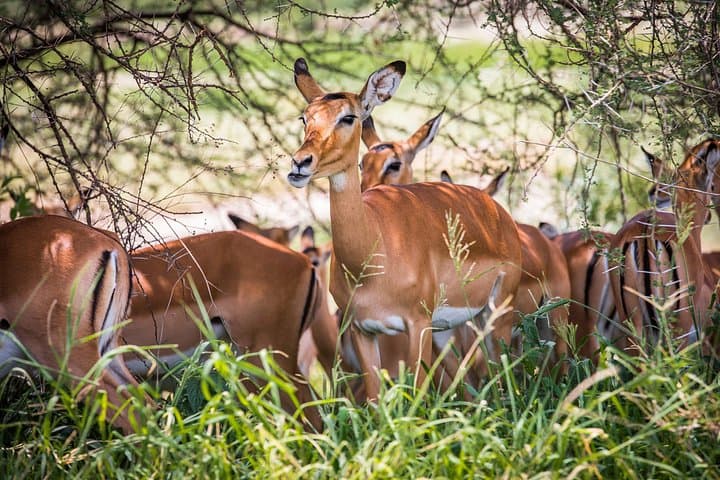
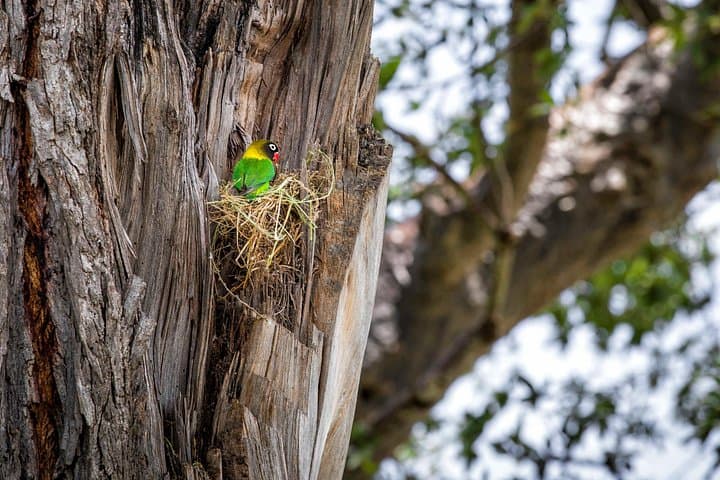
You step into dawn from a pop-up roof 4x4 as the Mara-like light slices across yellow grass; an elephant herd moves like slow weather along the Tarangire River, baobabs throwing long, patient shadows. The first day is a study in scale—wide savanna, seasonal swamps and birds layered over the low rumble of distant hooves.
You step into dawn from a pop-up roof 4x4 as the Mara-like light slices across yellow grass; an elephant herd moves like slow weather along the Tarangire River, baobabs throwing long, patient shadows. The first day is a study in scale—wide savanna, seasonal swamps and birds layered over the low rumble of distant hooves.
Tarangire National Park is famous for its concentration of elephants and the enormous baobab forms that dominate the skyline. The next morning, a two-hour drive climbs onto the rim of Ngorongoro, a collapsed volcano whose crater floor hosts one of the densest assemblages of wild mammals in Africa. Geologically, the crater is a volcanic caldera formed millions of years ago; culturally the surrounding highlands have been grazed by Maasai pastoralists for generations, and the Ngorongoro Conservation Area is a UNESCO-listed landscape where wildlife management and human livelihoods intersect.
Practically, this is a compact, vehicle-based safari: expect early mornings, long light-filled game drives and picnic lunches at scenic stops such as the Tarangire outlook and the Hippo Lake on the crater floor. Accommodations are lodge-based (Fig Tree Lodge on night one) and transfers to/from Arusha are included. Pack binoculars, layers for chilly crater mornings, sun protection and motion-sick remedies for dirt roads. Point-and-shoot or mirrorless cameras with a mid-telephoto lens work best from the pop-up roof.
This two-day loop is high-impact viewing in a short window—ideal for travelers who want concentrated wildlife encounters without extended overland time.