THE ADVENTURE COLLECTIVE® · Independent discovery and booking for outdoor travel

See Luxor’s pharaohs, cross to the Valley of the Kings, overnight in Aswan and rise before dawn for Abu Simbel—all in 48 hours by plane and train. A tightly scheduled cultural sprint that rewards planning, early mornings and steady shoes.
See Luxor’s pharaohs, cross to the Valley of the Kings, overnight in Aswan and rise before dawn for Abu Simbel—all in 48 hours by plane and train. A tightly scheduled cultural sprint that rewards planning, early mornings and steady shoes.
The first light in Cairo still clings to the desert as you climb into a van for the airport; by late morning the Nile opens up beneath the flight path and the real work of two days begins—temples, tombs and a hurried taste of millennia.
Verified experiences and guided adventures in the surrounding area.
Operated by Nile Prince Travel · Cairo, Cairo Governorate
The first light in Cairo still clings to the desert as you climb into a van for the airport; by late morning the Nile opens up beneath the flight path and the real work of two days begins—temples, tombs and a hurried taste of millennia.
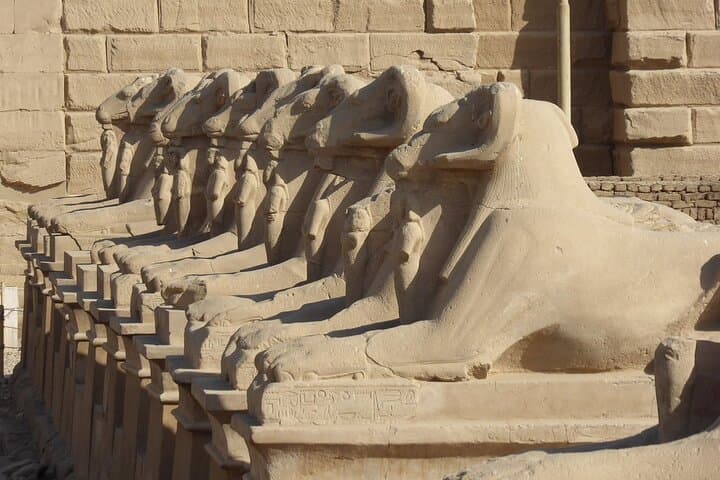
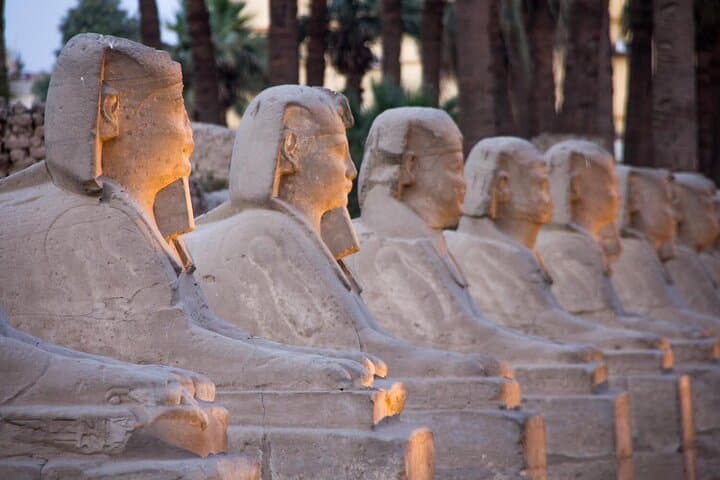
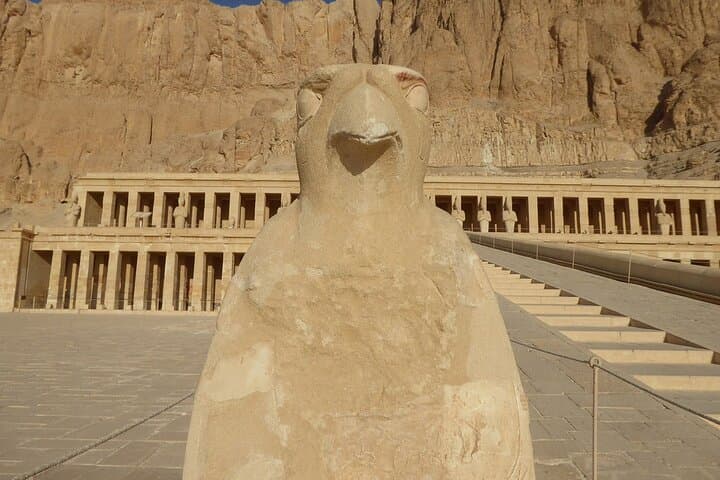
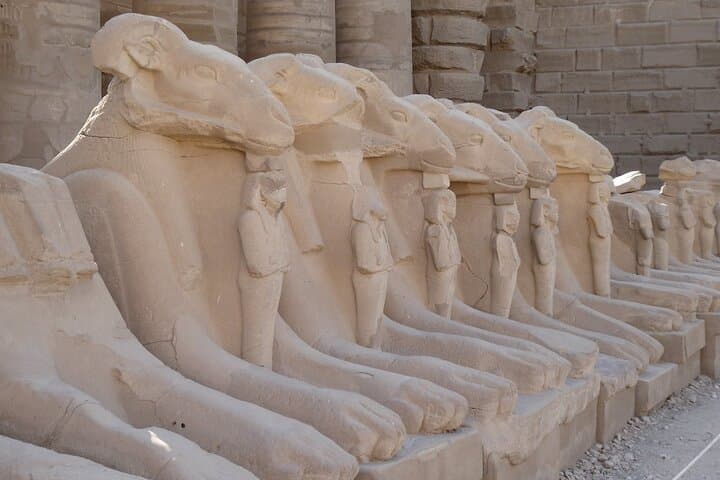
Start on the east bank at Luxor Temple and Karnak where gigantic pylons and colonnades record New Kingdom power; cross the Nile to the west bank for the Valley of the Kings and Hatshepsut’s terraced mortuary temple cut into limestone cliffs. Geology here matters: the soft, yellowish limestone of Thebes was chosen for tomb carving, while the granite of Aswan supplied obelisks and statues. Culture surfaces in everyday ways—markets selling spices and papyrus, and the local reverence for pharaonic history.
On day two you leave before dawn for Abu Simbel, the mountain-carved twin temples of Ramses II and Nefertari, later lifted stone by stone during the Aswan High Dam project; the engineering feat is part of the site’s modern story. Between flights and trains you’ll feel Egypt’s layers—archaeological, colonial, and post-dam politics—pulling at one another.
Practical guidance: plan for a lot of walking and standing, bring sunscreen and a wide-brim hat, and schedule early starts to avoid midday heat. Keep small bills for tips and entrance fees (not always included), carry a refillable water bottle and compress your luggage—train and plane legs prefer compact bags. Expect rapid transitions: historic wonder, then transport logistics, then another temple. The payoff is intense: concentrated contact with some of the oldest monumental works on Earth.
moderate.
2 days.
Basic to good mobility; able to walk uneven ground and stand through guided tours for several hours
Yes—the tour lists flight tickets from Cairo to Luxor and from Aswan back to Cairo as included in the package.
Most itinerary entries mark admission as not included; plan to pay entrance fees on site or confirm with the operator before booking.
The operator notes wheelchair-accessible options, but many sites have stairs and uneven surfaces—notify the tour in advance to arrange accessible transport and routes.
Pack a compact overnight bag you can carry easily; larger suitcases are cumbersome on short transfers and trains often have limited luggage space.
These sites span millennia: Luxor and the Valley of the Kings were core to New Kingdom pharaohs, while Abu Simbel was relocated in the 1960s to save it from Lake Nasser.
UNESCO-led conservation and local site management control visitor flows; avoid touching reliefs, dispose of trash properly and follow guide directions to protect fragile stonework.
Nile Prince Travel operates guided outdoor trips and adventures with an emphasis on safety, stewardship, and memorable experiences.
The first light in Cairo still clings to the desert as you climb into a van for the airport; by late morning the Nile opens up beneath the flight path and the real work of two days begins—temples, tombs and a hurried taste of millennia.
The first light in Cairo still clings to the desert as you climb into a van for the airport; by late morning the Nile opens up beneath the flight path and the real work of two days begins—temples, tombs and a hurried taste of millennia.
Start on the east bank at Luxor Temple and Karnak where gigantic pylons and colonnades record New Kingdom power; cross the Nile to the west bank for the Valley of the Kings and Hatshepsut’s terraced mortuary temple cut into limestone cliffs. Geology here matters: the soft, yellowish limestone of Thebes was chosen for tomb carving, while the granite of Aswan supplied obelisks and statues. Culture surfaces in everyday ways—markets selling spices and papyrus, and the local reverence for pharaonic history.
On day two you leave before dawn for Abu Simbel, the mountain-carved twin temples of Ramses II and Nefertari, later lifted stone by stone during the Aswan High Dam project; the engineering feat is part of the site’s modern story. Between flights and trains you’ll feel Egypt’s layers—archaeological, colonial, and post-dam politics—pulling at one another.
Practical guidance: plan for a lot of walking and standing, bring sunscreen and a wide-brim hat, and schedule early starts to avoid midday heat. Keep small bills for tips and entrance fees (not always included), carry a refillable water bottle and compress your luggage—train and plane legs prefer compact bags. Expect rapid transitions: historic wonder, then transport logistics, then another temple. The payoff is intense: concentrated contact with some of the oldest monumental works on Earth.