THE ADVENTURE COLLECTIVE® · Independent discovery and booking for outdoor travel

Two days to move from ancient stone to modern skyline: stand before the Giza pyramids, ride a camel across the plateau, explore Saqqara and Memphis, then finish with the Egyptian Museum, Khan el-Khalili and Cairo Tower. This compact overnight tour packs history, local color and practical tips into 48 hours.
Two days to move from ancient stone to modern skyline: stand before the Giza pyramids, ride a camel across the plateau, explore Saqqara and Memphis, then finish with the Egyptian Museum, Khan el-Khalili and Cairo Tower. This compact overnight tour packs history, local color and practical tips into 48 hours.
The morning light at Giza strips the city of its smog and leaves you facing stone older than languages — three pyramids rising like geometric islands on a desert plain, the Sphinx watching traffic and time. You start with the crunch of sand underfoot, a short camel ride, and a guide who threads stories of pharaohs between concrete modernity and the Nile’s slow pull.
Verified experiences and guided adventures in the surrounding area.
Operated by travel to church · Cairo, Cairo Governorate
The morning light at Giza strips the city of its smog and leaves you facing stone older than languages — three pyramids rising like geometric islands on a desert plain, the Sphinx watching traffic and time. You start with the crunch of sand underfoot, a short camel ride, and a guide who threads stories of pharaohs between concrete modernity and the Nile’s slow pull.
This itinerary stitches together Old Kingdom powerhouses and modern panoramas: Saqqara’s Step Pyramid, where stone construction first spiked toward the sky; the open-air museum of Memphis, the Old Kingdom capital; and the concentrated displays of the Egyptian Museum in downtown Cairo. Geologically, the Giza plateau is limestone bedrock sculpted by wind and millennia of human quarrying — each block a measured act of engineering.
Culturally the trip moves quickly from funerary architecture to market life at Khan el-Khalili, where coffee houses and metalwork ateliers preserve crafts passed down for centuries. The Cairo Tower offers a fast elevator ride to a 360° view that places the Nile, the medieval citadel and the pyramids in one sweep.
Practical guidance: pack sun protection and a filled water bottle, expect uneven footing around monuments, and plan visits early morning or late afternoon to avoid peak heat and crowds. Modest dress is recommended at religious and public sites. Cash for small purchases at Khan el-Khalili and local eateries speeds transactions; confirm whether entry fees are included before arrival. With two days you balance iconic sights with enough time to absorb context and keep the pace comfortable.
moderate.
2 days (approx. 48 hours).
Light-to-moderate walking ability; able to manage several short walks, stairs and uneven ground.
Admission is not automatically included; confirm with the operator before booking as some sites require separate tickets or guided-entry supplements.
Yes — the tour includes private car transfers and pickup; you'll be collected from the airport or your hotel according to your arrival time provided at booking.
The itinerary accommodates young children; stroller access is possible in parts, but expect uneven ground at archaeological sites and short camel rides that may have age or weight limits.
Guides typically provide commentary in the language selected at booking; check the listing or confirm with the operator if you require a specific language.
Saqqara’s Step Pyramid at Djoser marks the transition from mastaba tombs to true pyramids; Memphis served as Egypt’s administrative heart during the Old Kingdom.
Visitor pressure and erosion threaten exposed surfaces; follow designated paths, avoid touching carvings, and support licensed guides to minimize impact.
travel to church operates guided outdoor trips and adventures with an emphasis on safety, stewardship, and memorable experiences.
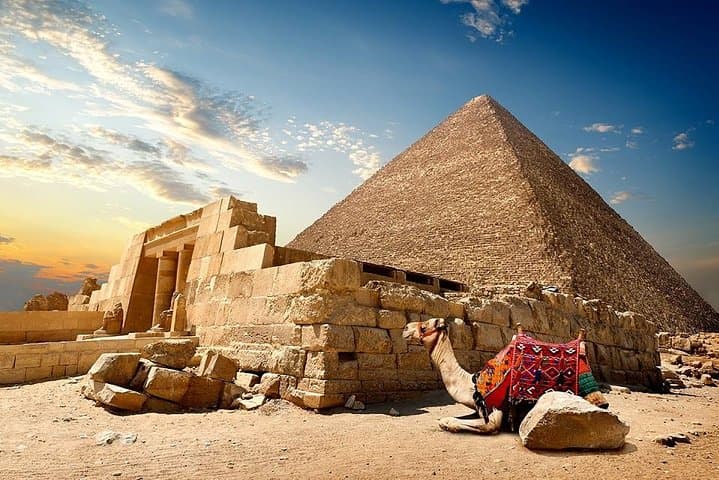
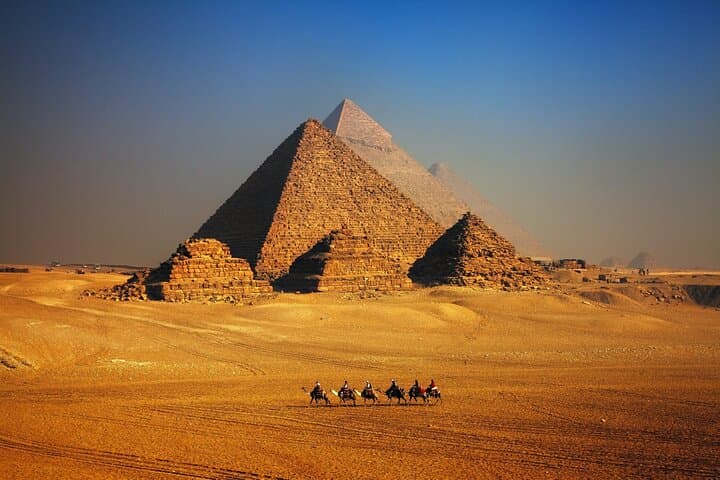
The morning light at Giza strips the city of its smog and leaves you facing stone older than languages — three pyramids rising like geometric islands on a desert plain, the Sphinx watching traffic and time. You start with the crunch of sand underfoot, a short camel ride, and a guide who threads stories of pharaohs between concrete modernity and the Nile’s slow pull.
The morning light at Giza strips the city of its smog and leaves you facing stone older than languages — three pyramids rising like geometric islands on a desert plain, the Sphinx watching traffic and time. You start with the crunch of sand underfoot, a short camel ride, and a guide who threads stories of pharaohs between concrete modernity and the Nile’s slow pull.
This itinerary stitches together Old Kingdom powerhouses and modern panoramas: Saqqara’s Step Pyramid, where stone construction first spiked toward the sky; the open-air museum of Memphis, the Old Kingdom capital; and the concentrated displays of the Egyptian Museum in downtown Cairo. Geologically, the Giza plateau is limestone bedrock sculpted by wind and millennia of human quarrying — each block a measured act of engineering.
Culturally the trip moves quickly from funerary architecture to market life at Khan el-Khalili, where coffee houses and metalwork ateliers preserve crafts passed down for centuries. The Cairo Tower offers a fast elevator ride to a 360° view that places the Nile, the medieval citadel and the pyramids in one sweep.
Practical guidance: pack sun protection and a filled water bottle, expect uneven footing around monuments, and plan visits early morning or late afternoon to avoid peak heat and crowds. Modest dress is recommended at religious and public sites. Cash for small purchases at Khan el-Khalili and local eateries speeds transactions; confirm whether entry fees are included before arrival. With two days you balance iconic sights with enough time to absorb context and keep the pace comfortable.