THE ADVENTURE COLLECTIVE® · Independent discovery and booking for outdoor travel

Two days, one short flight from Luxor, and a concentrated circuit of Cairo’s headline sites: Giza’s pyramids, Saqqara’s step pyramid, the Egyptian Museum and the Citadel. This practical guide shows what to expect, how to time it, and what to pack.
Two days, one short flight from Luxor, and a concentrated circuit of Cairo’s headline sites: Giza’s pyramids, Saqqara’s step pyramid, the Egyptian Museum and the Citadel. This practical guide shows what to expect, how to time it, and what to pack.
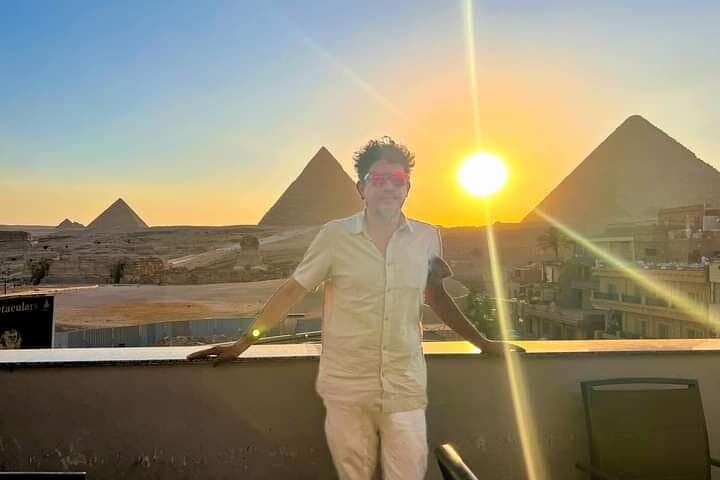
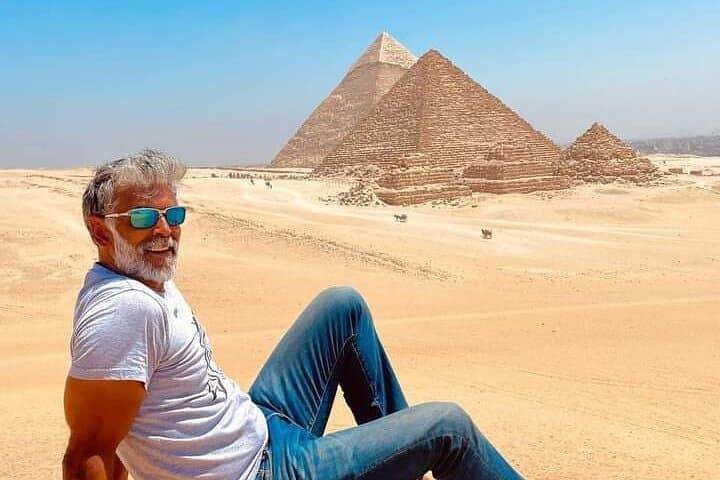
You step off a short domestic flight into Cairo and the city hits you in a series of textures: dry desert wind, a horizon punctured by stone giants, and the hum of traffic threading through centuries of history. The first day moves from the Giza Plateau—where the Great Pyramid and the Sphinx loom like ancient project managers—to the layered funerary fields of Saqqara and the open-air ruins of Memphis.
Verified experiences and guided adventures in the surrounding area.
Operated by Egypt Best Day Tours · Cairo, Cairo Governorate
You step off a short domestic flight into Cairo and the city hits you in a series of textures: dry desert wind, a horizon punctured by stone giants, and the hum of traffic threading through centuries of history. The first day moves from the Giza Plateau—where the Great Pyramid and the Sphinx loom like ancient project managers—to the layered funerary fields of Saqqara and the open-air ruins of Memphis.
Cairo is a palimpsest of eras: Pharaonic quarries, Greco-Roman remnants, Fatimid and Mamluk cityscapes, and Ottoman citadels stacked one over the other. Geologically, the limestone of the Giza Plateau records coastal deposits turned to stone, while the Nile’s alluvial plain has shaped settlement and trade for millennia. Culturally, the city blends Coptic and Islamic heritage with modern Egyptian street life; Khan el-Khalili offers a sensory crash-course in spices, metalwork, and negotiation.
Practical guidance follows a brisk rhythm: domestic flights between Luxor and Cairo are about 1–1.5 hours each way, leaving concentrated windows for sightseeing. Expect long walks on uneven stone at Giza and Saqqara—good soles matter. Midday heat can be sharp; schedule outdoor sites for morning and late afternoon when light flatters the monuments and temperatures drop. Carry water, sun protection, and a scarf for mosque visits. Local guides speed queues, interpret hieroglyphs, and help with etiquette — tipping is customary. By night the city cools and lights soften the massive forms; two days is brief but calibrated to deliver Cairo’s highlights without rushing the essential context.
easy.
2 days (approx. 48 hours).
General mobility and the ability to walk several hours with short breaks; not strenuous but involves uneven ground and stairs.
Yes — the tour includes round-trip domestic flights between Luxor and Cairo as part of the package.
The itinerary notes wheelchair-accessible transfers and surfaces where possible, but historic sites like pyramids and some museum areas may have uneven terrain—check specifics with the operator if mobility is limited.
You’ll need a valid passport; many nationalities require an Egyptian visa—confirm entry requirements and supply passport details when booking.
Tipping for guides, drivers, and hospitality staff is customary; small amounts in local currency (Egyptian pounds) are appropriate after good service.
Giza’s pyramids date to the Fourth Dynasty (~2580–2560 BCE) while Cairo later grew as a medieval capital; the tour threads Pharaonic, Coptic, and Islamic layers into one compact visit.
These sites face pressure from tourism and urban expansion—stick to marked paths, avoid climbing monuments, and use licensed guides to support responsible site management.
Egypt Best Day Tours operates guided outdoor trips and adventures with an emphasis on safety, stewardship, and memorable experiences.


You step off a short domestic flight into Cairo and the city hits you in a series of textures: dry desert wind, a horizon punctured by stone giants, and the hum of traffic threading through centuries of history. The first day moves from the Giza Plateau—where the Great Pyramid and the Sphinx loom like ancient project managers—to the layered funerary fields of Saqqara and the open-air ruins of Memphis.
You step off a short domestic flight into Cairo and the city hits you in a series of textures: dry desert wind, a horizon punctured by stone giants, and the hum of traffic threading through centuries of history. The first day moves from the Giza Plateau—where the Great Pyramid and the Sphinx loom like ancient project managers—to the layered funerary fields of Saqqara and the open-air ruins of Memphis.
Cairo is a palimpsest of eras: Pharaonic quarries, Greco-Roman remnants, Fatimid and Mamluk cityscapes, and Ottoman citadels stacked one over the other. Geologically, the limestone of the Giza Plateau records coastal deposits turned to stone, while the Nile’s alluvial plain has shaped settlement and trade for millennia. Culturally, the city blends Coptic and Islamic heritage with modern Egyptian street life; Khan el-Khalili offers a sensory crash-course in spices, metalwork, and negotiation.
Practical guidance follows a brisk rhythm: domestic flights between Luxor and Cairo are about 1–1.5 hours each way, leaving concentrated windows for sightseeing. Expect long walks on uneven stone at Giza and Saqqara—good soles matter. Midday heat can be sharp; schedule outdoor sites for morning and late afternoon when light flatters the monuments and temperatures drop. Carry water, sun protection, and a scarf for mosque visits. Local guides speed queues, interpret hieroglyphs, and help with etiquette — tipping is customary. By night the city cools and lights soften the massive forms; two days is brief but calibrated to deliver Cairo’s highlights without rushing the essential context.