THE ADVENTURE COLLECTIVE® · Independent discovery and booking for outdoor travel

Lift off from West Yellowstone for a 45-minute, pilot-narrated flight that traces the Continental Divide, jagged Madison Range ridges, and glacial basins. Ideal for photographers and first-time flyers who want high-elevation perspective on the Greater Yellowstone Ecosystem.
Lift off from West Yellowstone for a 45-minute, pilot-narrated flight that traces the Continental Divide, jagged Madison Range ridges, and glacial basins. Ideal for photographers and first-time flyers who want high-elevation perspective on the Greater Yellowstone Ecosystem.
You taxi onto a short strip of blacktop, the airplane’s propeller stirring cold mountain air that smells of pine and old snow. In minutes you lift and the West Yellowstone valley falls away — ridgelines sharpen, cliffs fold like opened maps, and a glacier-sculpted bowl of lakes and alder-thick creek corridors stretches beneath you. The pilot’s voice in your headset frames each feature as if pointing out old friends: a jagged peak on the Continental Divide, a serrated ridge of the Madison Range, and a cobalt lake tucked in a basin.
Verified experiences and guided adventures in the surrounding area.
Operated by Fly Yellowstone · West Yellowstone, Montana
You taxi onto a short strip of blacktop, the airplane’s propeller stirring cold mountain air that smells of pine and old snow. In minutes you lift and the West Yellowstone valley falls away — ridgelines sharpen, cliffs fold like opened maps, and a glacier-sculpted bowl of lakes and alder-thick creek corridors stretches beneath you. The pilot’s voice in your headset frames each feature as if pointing out old friends: a jagged peak on the Continental Divide, a serrated ridge of the Madison Range, and a cobalt lake tucked in a basin.
Geology here is loud and slow: a landscape shaped by the Yellowstone hotspot and later carved by ice. The Greater Yellowstone Ecosystem holds deep-time stories — volcanic uplift, glacial scour, and river-cut canyons — that are easier to read from above. Culturally, the area has long been a travel corridor for the Shoshone and other Indigenous peoples and later became a gateway community for park visitors in the 20th century.
Practical guidance: flights are private and 45 minutes, with guaranteed window seats and pilot narration. Arrive early, follow the Fly Yellowstone parking sign, and expect weight and combined-passenger limits — the operator caps total group weight and limits passengers over roughly 250 lbs. Weather can cancel; summer offers the clearest visibility, spring and fall give dramatic light but chill, and winter flights require operator confirmation. Bring a small camera, dress in layers for cool high-altitude breezes, secure loose hats, and consider motion-sickness prevention if you’re sensitive to small-aircraft motion. This flight is an efficient, high-impact way to see the remote bones of western Yellowstone without a days-long backcountry approach.
easy.
45 minutes.
No hiking required; suitable for most fitness levels though boarding small aircraft requires basic mobility
The tour is 45 minutes and focuses on the mountains around West Yellowstone, including views of the Madison Range, Continental Divide segments, alpine basins, and large mountain lakes.
Yes — operators set a combined weight limit for safety and typically advise that travelers over ~250 lbs are not recommended; weights are collected at booking.
Flights are weather-dependent; the operator will cancel for unsafe conditions and offer a full refund if canceled at least 24 hours before departure per policy.
Yes — headsets and live narration are provided so you can hear the pilot and ask questions during the flight.
This corridor served Indigenous peoples for millennia and later grew into a 20th-century gateway community for visitors to Yellowstone National Park.
Keep aerial disturbance minimal: follow operator guidance to avoid low passes over wildlife and respect park and FAA overflight recommendations to reduce noise and stress on animals.
Fly Yellowstone operates guided outdoor trips and adventures with an emphasis on safety, stewardship, and memorable experiences.
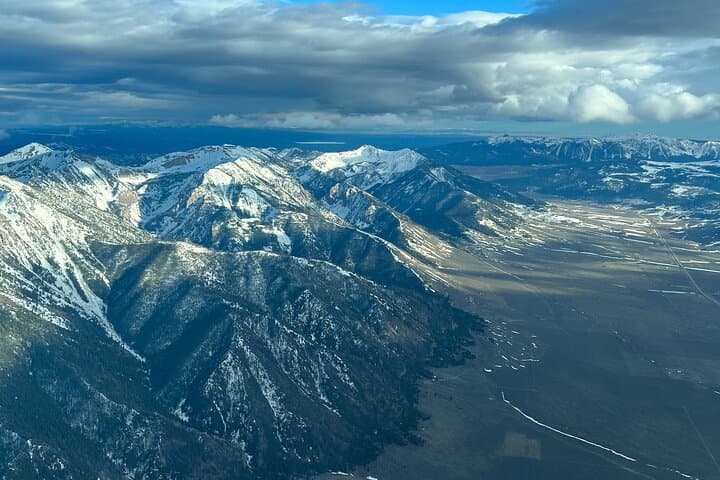
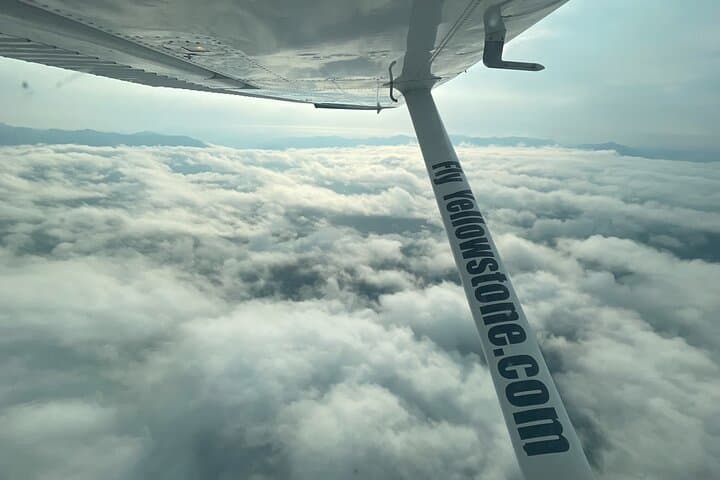
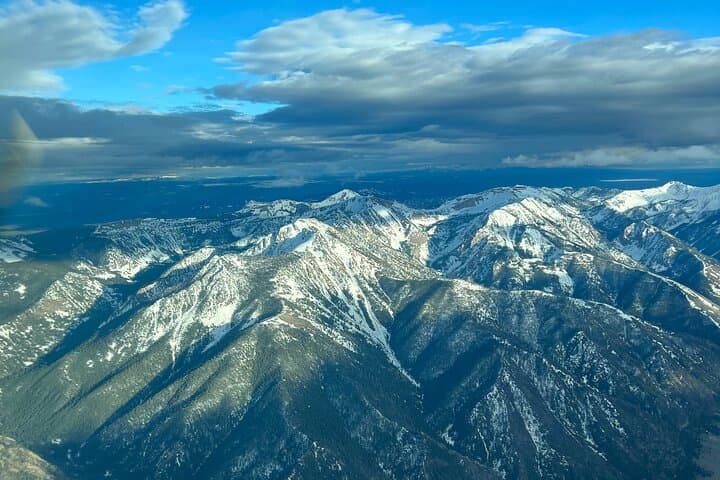
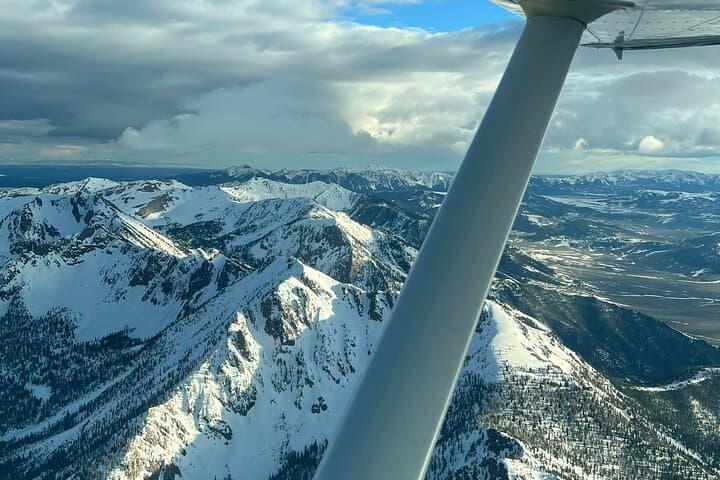
You taxi onto a short strip of blacktop, the airplane’s propeller stirring cold mountain air that smells of pine and old snow. In minutes you lift and the West Yellowstone valley falls away — ridgelines sharpen, cliffs fold like opened maps, and a glacier-sculpted bowl of lakes and alder-thick creek corridors stretches beneath you. The pilot’s voice in your headset frames each feature as if pointing out old friends: a jagged peak on the Continental Divide, a serrated ridge of the Madison Range, and a cobalt lake tucked in a basin.
You taxi onto a short strip of blacktop, the airplane’s propeller stirring cold mountain air that smells of pine and old snow. In minutes you lift and the West Yellowstone valley falls away — ridgelines sharpen, cliffs fold like opened maps, and a glacier-sculpted bowl of lakes and alder-thick creek corridors stretches beneath you. The pilot’s voice in your headset frames each feature as if pointing out old friends: a jagged peak on the Continental Divide, a serrated ridge of the Madison Range, and a cobalt lake tucked in a basin.
Geology here is loud and slow: a landscape shaped by the Yellowstone hotspot and later carved by ice. The Greater Yellowstone Ecosystem holds deep-time stories — volcanic uplift, glacial scour, and river-cut canyons — that are easier to read from above. Culturally, the area has long been a travel corridor for the Shoshone and other Indigenous peoples and later became a gateway community for park visitors in the 20th century.
Practical guidance: flights are private and 45 minutes, with guaranteed window seats and pilot narration. Arrive early, follow the Fly Yellowstone parking sign, and expect weight and combined-passenger limits — the operator caps total group weight and limits passengers over roughly 250 lbs. Weather can cancel; summer offers the clearest visibility, spring and fall give dramatic light but chill, and winter flights require operator confirmation. Bring a small camera, dress in layers for cool high-altitude breezes, secure loose hats, and consider motion-sickness prevention if you’re sensitive to small-aircraft motion. This flight is an efficient, high-impact way to see the remote bones of western Yellowstone without a days-long backcountry approach.