THE ADVENTURE COLLECTIVE® · Independent discovery and booking for outdoor travel

Take a 45‑minute helicopter flight from Mount Cook airfield to land on the Tasman Glacier, enjoy 10–15 minutes on the ice with engines off, and fly over braided rivers and the Tasman terminal lake. Weather-dependent, with weight limits and strong views of Aoraki.
Take a 45‑minute helicopter flight from Mount Cook airfield to land on the Tasman Glacier, enjoy 10–15 minutes on the ice with engines off, and fly over braided rivers and the Tasman terminal lake. Weather-dependent, with weight limits and strong views of Aoraki.
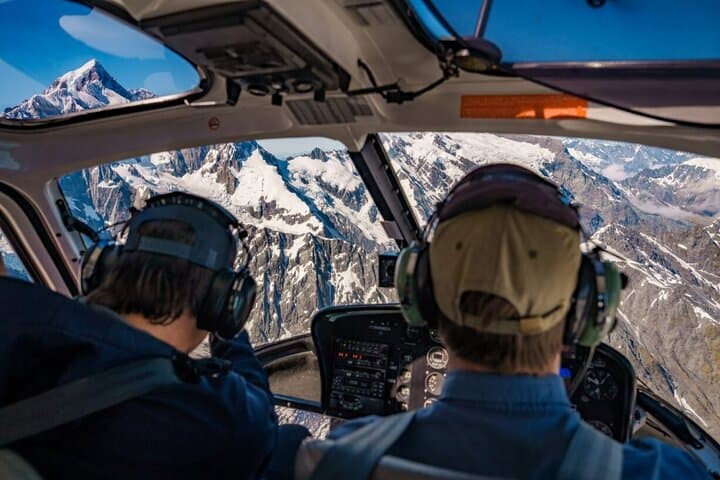
You lift off from a small alpine airstrip and the valley exhales beneath the rotor wash—braided rivers shrink to ribbons, moraines sharpen, and Aoraki / Mount Cook rises into view like a sculpted ice peak.
Verified experiences and guided adventures in the surrounding area.
Operated by Inflite Ski Planes Limited · Aoraki / Mount Cook Village, Canterbury
You lift off from a small alpine airstrip and the valley exhales beneath the rotor wash—braided rivers shrink to ribbons, moraines sharpen, and Aoraki / Mount Cook rises into view like a sculpted ice peak.
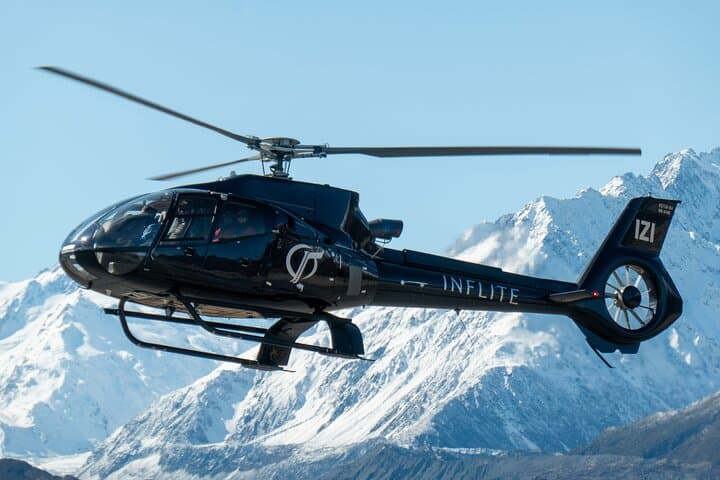
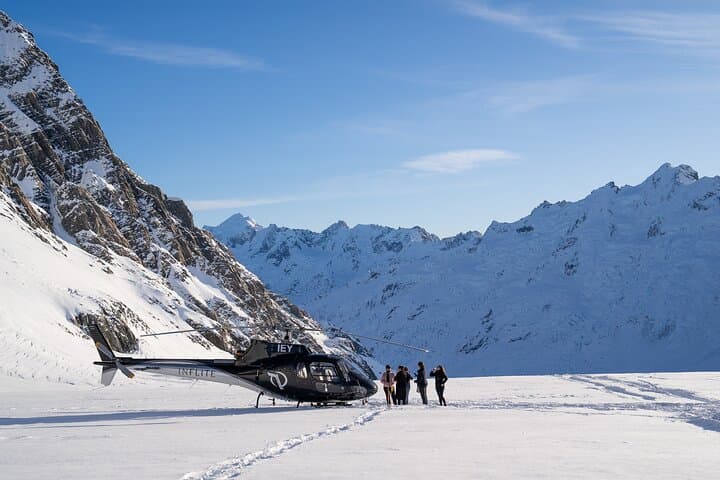
This 45‑minute helicopter tour threads the Tasman Valley, flies over the Tasman terminal lake and braided Tasman River, and makes a 10–15 minute glacier landing on the Tasman Glacier where engines are shut down and the mountain’s hush replaces the rotor’s drone. The landscape here is young in geological terms: the Southern Alps were uplifted by the Pacific–Australian plate boundary and glaciers carved the U-shaped valleys visitors now cross by air.
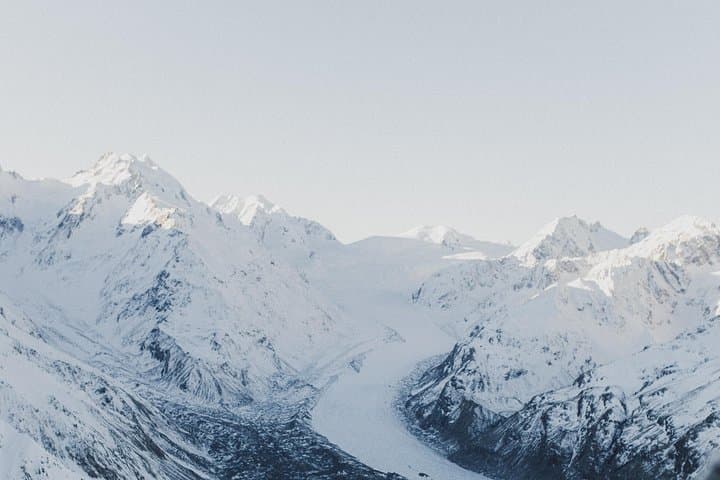
Aoraki is also a cultural place-name for Ngāi Tahu; the National Park sits within the Te Wahipounamu World Heritage area and carries stories of place and changing ice. On clear days the play of light on crevasses and the pale blue of glacier ice is immediate—on cloudy days the pilots will alter the route for safety and scenery.
Practically, flights operate from the Mount Cook airfield and are weather-dependent with weight limits and a minimum passenger requirement. Check in closes 45 minutes before departure; operators advise warm layers, solid boots for snow, and sunglasses. Morning flights often offer the best visibility; cameras are essential but keep straps secure during landing. If the weather cancels, flexible rebooking is typically available. For travelers who want to pair a hands‑on alpine experience with big‑picture views of New Zealand’s highest peak, this flight delivers a compact, high-elevation encounter with glacier ice and Southern Alps geology.
easy.
45 minutes.
Suitable for most fitness levels; requires ability to step in/out of a helicopter and walk briefly on uneven icy snow.
Flights are frequently delayed or cancelled for safety; operators will offer rebooking or a refund according to their policy, so check on the morning of your flight.
Yes—operators apply weight limits for safety and balance; your booking may require weight information and could be adjusted on the day.
Infants are permitted but must sit on an adult’s lap; specialized infant seats may be available—confirm with the operator before booking.
Typical glacier landings last 10–15 minutes—enough time to step onto the ice, take photos, and listen to the silence with engines off.
Aoraki / Mount Cook is central to Ngāi Tahu tradition and the National Park forms part of the Te Wahipounamu World Heritage Area, recognized for dramatic glaciated landscapes.
Glaciers here are retreating due to climate change; stick to marked areas, follow operator guidance on landings, and avoid leaving any waste on the ice.
Inflite Ski Planes Limited operates guided outdoor trips and adventures with an emphasis on safety, stewardship, and memorable experiences.
You lift off from a small alpine airstrip and the valley exhales beneath the rotor wash—braided rivers shrink to ribbons, moraines sharpen, and Aoraki / Mount Cook rises into view like a sculpted ice peak.
You lift off from a small alpine airstrip and the valley exhales beneath the rotor wash—braided rivers shrink to ribbons, moraines sharpen, and Aoraki / Mount Cook rises into view like a sculpted ice peak.
This 45‑minute helicopter tour threads the Tasman Valley, flies over the Tasman terminal lake and braided Tasman River, and makes a 10–15 minute glacier landing on the Tasman Glacier where engines are shut down and the mountain’s hush replaces the rotor’s drone. The landscape here is young in geological terms: the Southern Alps were uplifted by the Pacific–Australian plate boundary and glaciers carved the U-shaped valleys visitors now cross by air.
Aoraki is also a cultural place-name for Ngāi Tahu; the National Park sits within the Te Wahipounamu World Heritage area and carries stories of place and changing ice. On clear days the play of light on crevasses and the pale blue of glacier ice is immediate—on cloudy days the pilots will alter the route for safety and scenery.
Practically, flights operate from the Mount Cook airfield and are weather-dependent with weight limits and a minimum passenger requirement. Check in closes 45 minutes before departure; operators advise warm layers, solid boots for snow, and sunglasses. Morning flights often offer the best visibility; cameras are essential but keep straps secure during landing. If the weather cancels, flexible rebooking is typically available. For travelers who want to pair a hands‑on alpine experience with big‑picture views of New Zealand’s highest peak, this flight delivers a compact, high-elevation encounter with glacier ice and Southern Alps geology.