THE ADVENTURE COLLECTIVE® · Independent discovery and booking for outdoor travel

Short on time but eager to see the French Quarter? This brisk 45-minute walking tour hits Jackson Square, Bourbon and Royal Streets, the French Market, and the riverfront—giving you a compact orientation and photo-ready stops with practical recommendations for exploring deeper afterward.
Short on time but eager to see the French Quarter? This brisk 45-minute walking tour hits Jackson Square, Bourbon and Royal Streets, the French Market, and the riverfront—giving you a compact orientation and photo-ready stops with practical recommendations for exploring deeper afterward.
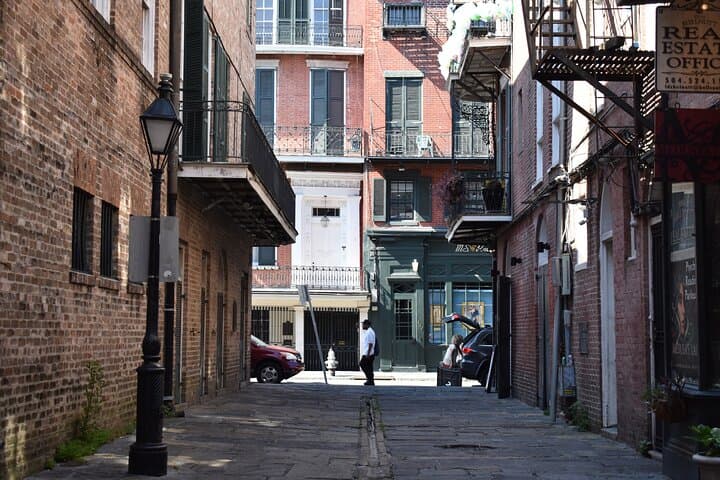
You step into Jackson Square and the city announces itself at once: bell chimes from St. Louis Cathedral, French Quarter ironwork framing the sky, and the Mississippi tugging at the riverfront a block away. A guide calls out the plan and you move—quickly—down narrow streets where history sits inches from modern life. In 45 minutes the tour presses into every pocket of the Quarter that explains New Orleans: colonial architecture, the lens of the street vendors, and the music that seems to hang on every corner.
Verified experiences and guided adventures in the surrounding area.
Operated by Short Tours NOLA · New Orleans, Louisiana
You step into Jackson Square and the city announces itself at once: bell chimes from St. Louis Cathedral, French Quarter ironwork framing the sky, and the Mississippi tugging at the riverfront a block away. A guide calls out the plan and you move—quickly—down narrow streets where history sits inches from modern life. In 45 minutes the tour presses into every pocket of the Quarter that explains New Orleans: colonial architecture, the lens of the street vendors, and the music that seems to hang on every corner.
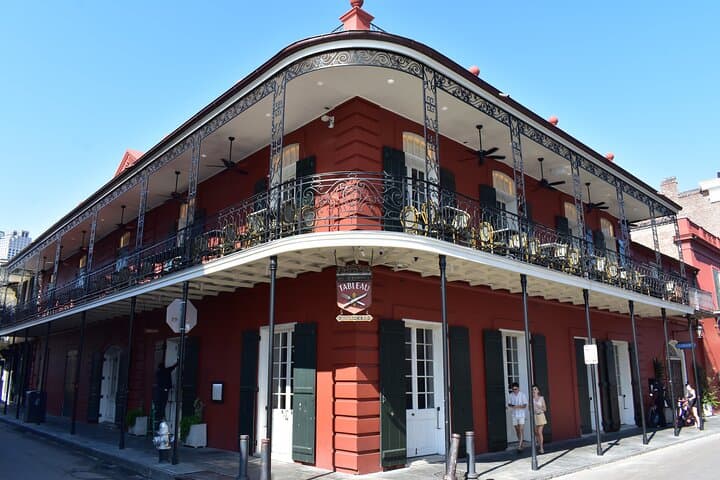
The French Quarter is the oldest neighborhood in New Orleans, founded during French colonial rule in the early 1700s and reshaped by Spanish reconstruction after fires in the late 18th century. The oldest public buildings—like the Ursuline convent—are reminders that this is a city of layered governance, trade, and culture that grew on the edge of the Mississippi River's vast delta. The street grid, the cast-iron balconies on Royal Street, the Creole townhouses and Bourbon Street’s daytime hum are physical records of those shifts.
Geology and geography matter here: the Quarter sits on higher natural levees formed by river deposits, which historically made it the chosen place to build. That river, in turn, has driven commerce, cuisine, and the peculiar blend of French, Spanish, African, and Caribbean influences in local food, music, and religion. A fast-paced tour like this trades depth for breadth—expect succinct context rather than long storytelling, with stops at Jackson Square, Chartres Street, Bourbon Street, Royal Street, the French Market, and a beignet-worthy detour near Café Du Monde.
Practical notes: meet at the Jackson Square fountain; the route ends at Oscar Dunn Park with river views. The pace is brisk—guides cover multiple neighborhoods and will keep moving to hit all highlights. Wear supportive shoes for hard sidewalks and bring a small water bottle; New Orleans heat can arrive suddenly. Morning departures avoid crowds and deliver better light for photos; late afternoon offers softer light and a cooler breeze off the river.
Cultural tip: street performers and local vendors are part of the Quarter’s character—respect their space and ask before photographing people closely. Finally, use this tour as orientation: it’s designed to give you picture stops and a shortlist of restaurants and attractions to return to when you have more time.
moderate.
45 minutes.
Basic urban fitness: able to walk at a steady pace for about 45 minutes and handle city sidewalks and occasional crowds.
Meet at the fountain in Jackson Square (across from St. Louis Cathedral); the tour finishes at Oscar Dunn Park overlooking the river.
The tour is family-friendly but fast-paced; infants in strollers are accommodated, while travelers with mobility issues may find the tempo challenging.
No—this highlights tour focuses on exterior sights and photo stops; admissions are not included.
Strollers are allowed, but the quick pace and narrow sidewalks may make maneuvering difficult; contact the operator if you require accommodations.
Yes—guides in New Orleans rely on tips; industry standard is 10–20% depending on service and group size.
The tour operates rain or shine; guests should bring a poncho for short showers. For heavy storms check cancellation/refund policy.
The French Quarter dates to the early 1700s; structures like the Ursuline convent reflect French colonial and Spanish-rebuild influences that shaped the neighborhood.
Historic buildings are fragile—stay on sidewalks, avoid touching ironwork, and support local businesses to help maintain the area’s cultural economy.
Short Tours NOLA operates guided outdoor trips and adventures with an emphasis on safety, stewardship, and memorable experiences.
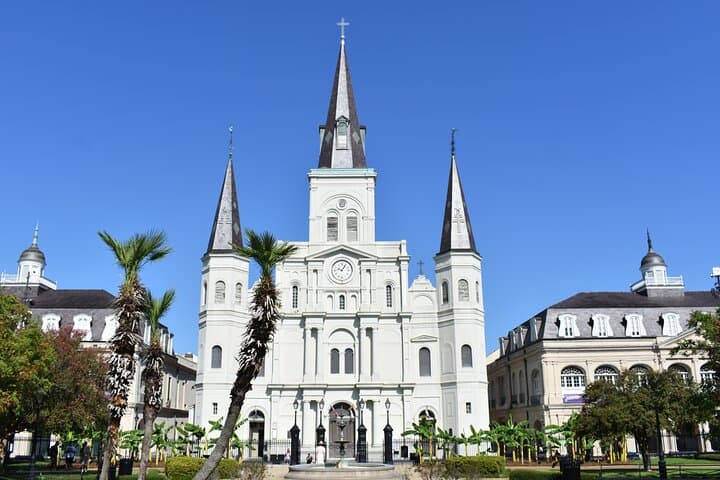
You step into Jackson Square and the city announces itself at once: bell chimes from St. Louis Cathedral, French Quarter ironwork framing the sky, and the Mississippi tugging at the riverfront a block away. A guide calls out the plan and you move—quickly—down narrow streets where history sits inches from modern life. In 45 minutes the tour presses into every pocket of the Quarter that explains New Orleans: colonial architecture, the lens of the street vendors, and the music that seems to hang on every corner.
You step into Jackson Square and the city announces itself at once: bell chimes from St. Louis Cathedral, French Quarter ironwork framing the sky, and the Mississippi tugging at the riverfront a block away. A guide calls out the plan and you move—quickly—down narrow streets where history sits inches from modern life. In 45 minutes the tour presses into every pocket of the Quarter that explains New Orleans: colonial architecture, the lens of the street vendors, and the music that seems to hang on every corner.
The French Quarter is the oldest neighborhood in New Orleans, founded during French colonial rule in the early 1700s and reshaped by Spanish reconstruction after fires in the late 18th century. The oldest public buildings—like the Ursuline convent—are reminders that this is a city of layered governance, trade, and culture that grew on the edge of the Mississippi River's vast delta. The street grid, the cast-iron balconies on Royal Street, the Creole townhouses and Bourbon Street’s daytime hum are physical records of those shifts.
Geology and geography matter here: the Quarter sits on higher natural levees formed by river deposits, which historically made it the chosen place to build. That river, in turn, has driven commerce, cuisine, and the peculiar blend of French, Spanish, African, and Caribbean influences in local food, music, and religion. A fast-paced tour like this trades depth for breadth—expect succinct context rather than long storytelling, with stops at Jackson Square, Chartres Street, Bourbon Street, Royal Street, the French Market, and a beignet-worthy detour near Café Du Monde.
Practical notes: meet at the Jackson Square fountain; the route ends at Oscar Dunn Park with river views. The pace is brisk—guides cover multiple neighborhoods and will keep moving to hit all highlights. Wear supportive shoes for hard sidewalks and bring a small water bottle; New Orleans heat can arrive suddenly. Morning departures avoid crowds and deliver better light for photos; late afternoon offers softer light and a cooler breeze off the river.
Cultural tip: street performers and local vendors are part of the Quarter’s character—respect their space and ask before photographing people closely. Finally, use this tour as orientation: it’s designed to give you picture stops and a shortlist of restaurants and attractions to return to when you have more time.