THE ADVENTURE COLLECTIVE® · Independent discovery and booking for outdoor travel

Walk 42nd Street from the Hudson to the East River on a two-hour guided tour that links Times Square, Bryant Park, Grand Central, and Art Deco landmarks. Expect pavement, crowds, architecture-rich stops, and practical tips for timing and transit.
Walk 42nd Street from the Hudson to the East River on a two-hour guided tour that links Times Square, Bryant Park, Grand Central, and Art Deco landmarks. Expect pavement, crowds, architecture-rich stops, and practical tips for timing and transit.
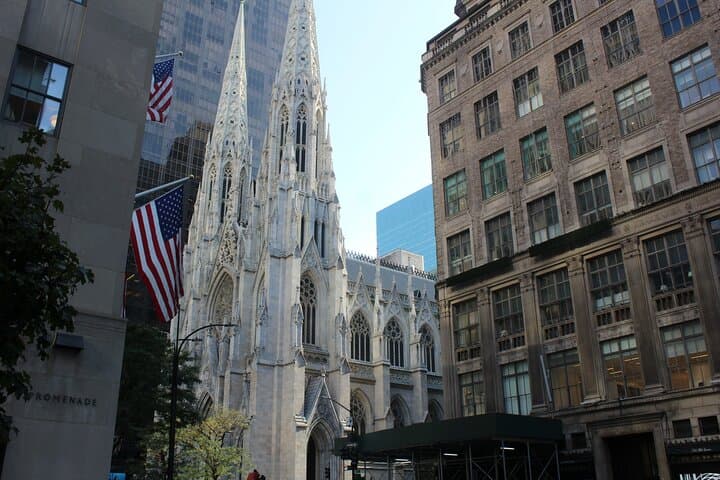
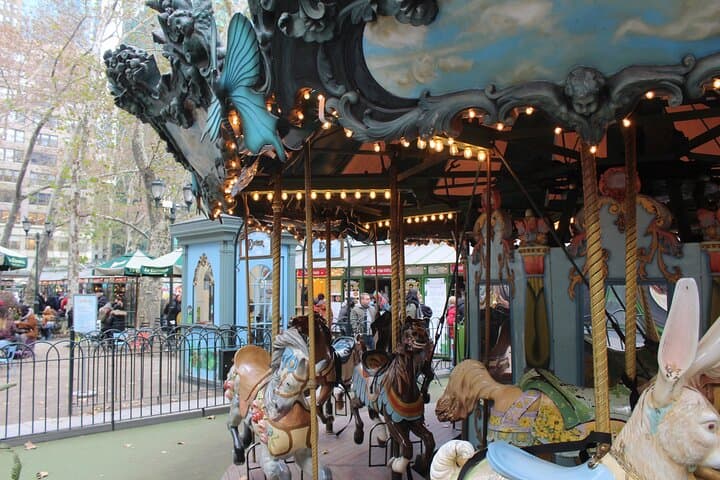
A morning on 42nd Street begins with the city in motion: taxis honk, subway grates breathe steam, and a guide steps into the middle of the avenue to point out a century of urban evolution. Walkers move from river light to river light, passing the glitter of Times Square, the bold clock of Grand Central, and the tucked-away calm of Bryant Park.
Verified experiences and guided adventures in the surrounding area.
Operated by Richard Soden · New York, New York
A morning on 42nd Street begins with the city in motion: taxis honk, subway grates breathe steam, and a guide steps into the middle of the avenue to point out a century of urban evolution. Walkers move from river light to river light, passing the glitter of Times Square, the bold clock of Grand Central, and the tucked-away calm of Bryant Park.
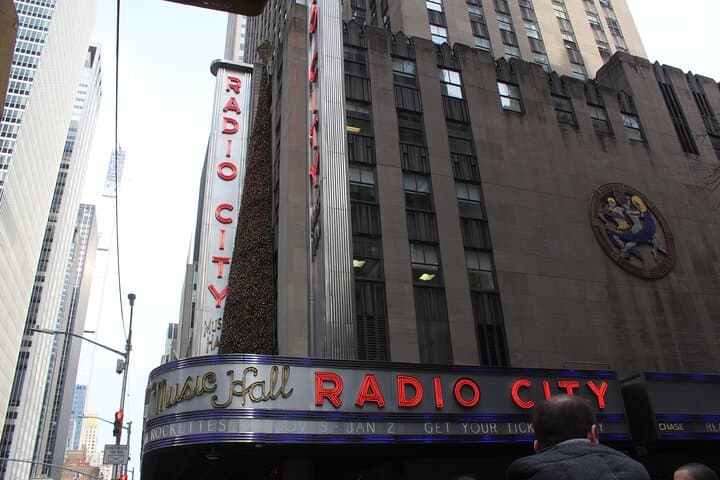
This two-hour guided route traces Manhattan’s rise from colonial farmland to a grid of ambition. Underfoot the bedrock of Manhattan schist allowed skyscrapers like the Chrysler Building to rise; above, Art Deco crowns and theatre marquees tell a story of commerce, art, and showmanship. The walk highlights civic infrastructure—Grand Central’s engineered concourses and the buried Croton Reservoir beneath the New York Public Library—and the culture that animates the street: stage doors, street vendors, and the ritual of the New Year’s Eve ball.
Travelers should expect steady pavement, frequent street crossings, and crowds during peak hours. Guides stop at façades, plazas, and fountains rather than entering attractions, so comfortable shoes matter more than museum passes. Plan for public transit at either end; the route is linear and easy to link into a broader day of city exploration.
Practical tips: schedule mornings or late afternoons to avoid the highest pedestrian flow, carry a refillable water bottle, and keep a rain shell handy—Manhattan weather changes fast. For those who like details, ask the guide about architectural ornamentation, theater histories, and the engineering beneath the street: the city’s stories are both above and below your feet.
moderate.
2 hours.
Moderate—able to stand and walk continuously for two hours with brief stops
The tour lasts about two hours and covers roughly the full length of 42nd Street—expect 1.5 to 2 miles of walking with frequent stops.
Yes—sidewalks are accessible and the operator notes stroller access; contact the provider beforehand for specific wheelchair accommodations.
No—this guided walk focuses on façades, plazas, and outdoor history rather than paid entries into buildings.
The tour runs in most weather; check cancellation policy and bring weather-appropriate clothing—refunds typically require 24-hour notice.
42nd Street reflects Manhattan’s shift from the Croton Reservoir and 19th-century infrastructure to a 20th-century theater and corporate corridor, with landmarks dating from the 1910s–1930s.
High foot traffic stresses streetscape and park spaces—stay on sidewalks, pack out trash, and support local preservation of historic façades and park maintenance.
Richard Soden operates guided outdoor trips and adventures with an emphasis on safety, stewardship, and memorable experiences.
A morning on 42nd Street begins with the city in motion: taxis honk, subway grates breathe steam, and a guide steps into the middle of the avenue to point out a century of urban evolution. Walkers move from river light to river light, passing the glitter of Times Square, the bold clock of Grand Central, and the tucked-away calm of Bryant Park.
A morning on 42nd Street begins with the city in motion: taxis honk, subway grates breathe steam, and a guide steps into the middle of the avenue to point out a century of urban evolution. Walkers move from river light to river light, passing the glitter of Times Square, the bold clock of Grand Central, and the tucked-away calm of Bryant Park.
This two-hour guided route traces Manhattan’s rise from colonial farmland to a grid of ambition. Underfoot the bedrock of Manhattan schist allowed skyscrapers like the Chrysler Building to rise; above, Art Deco crowns and theatre marquees tell a story of commerce, art, and showmanship. The walk highlights civic infrastructure—Grand Central’s engineered concourses and the buried Croton Reservoir beneath the New York Public Library—and the culture that animates the street: stage doors, street vendors, and the ritual of the New Year’s Eve ball.
Travelers should expect steady pavement, frequent street crossings, and crowds during peak hours. Guides stop at façades, plazas, and fountains rather than entering attractions, so comfortable shoes matter more than museum passes. Plan for public transit at either end; the route is linear and easy to link into a broader day of city exploration.
Practical tips: schedule mornings or late afternoons to avoid the highest pedestrian flow, carry a refillable water bottle, and keep a rain shell handy—Manhattan weather changes fast. For those who like details, ask the guide about architectural ornamentation, theater histories, and the engineering beneath the street: the city’s stories are both above and below your feet.