THE ADVENTURE COLLECTIVE® · Independent discovery and booking for outdoor travel

Float 40 km down the Gave de Pau, learn whitewater navigation, and spend a night under the stars with a riverside raclette. This guided two-day rafting bivouac blends technical river practice with rustic mountain cuisine.
Float 40 km down the Gave de Pau, learn whitewater navigation, and spend a night under the stars with a riverside raclette. This guided two-day rafting bivouac blends technical river practice with rustic mountain cuisine.
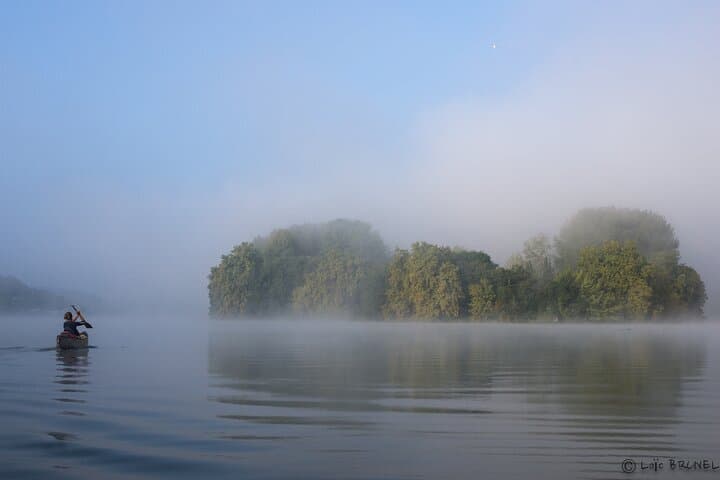
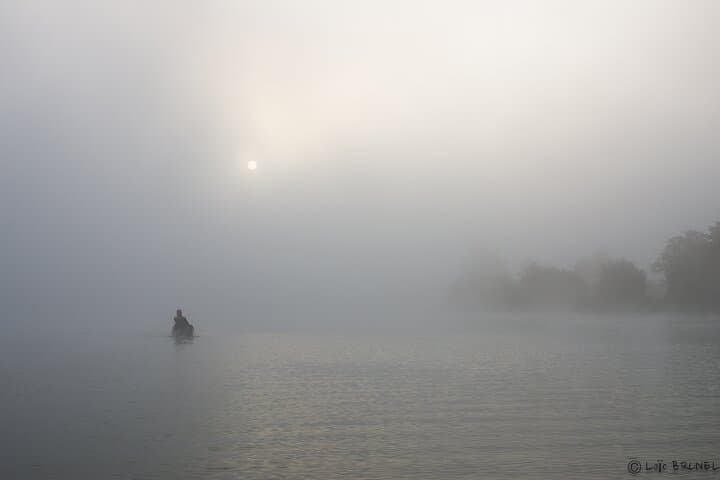
You launch at first light where the mountain still holds a chill and the Gave de Pau pushes bright water around rocks like an impatient guide.
Verified experiences and guided adventures in the surrounding area.
Operated by Tom Rafting · Argelès-Gazost, Hautes-Pyrénées
You launch at first light where the mountain still holds a chill and the Gave de Pau pushes bright water around rocks like an impatient guide.
The first strokes are in the high valley: fast, clear water winding through limestone walls carved by glaciers and rain. As you drift downstream the channel eases, meanders open, and the river’s mood changes from playful whitewater to wide, reflective pools where birds call and the current dares you to relax.
This stretch of the Gave de Pau has long been a corridor for shepherds and traders moving between mountain hamlets and the plains around Pau. Geologically the river runs on folded Pyrenean rock — sedimentary benches, scree slopes, and occasional glacial scars visible from shore. Locally, the night’s raclette is as much part of the program as the rapids: a culinary nod to pastoral life that has shaped the valley for generations.
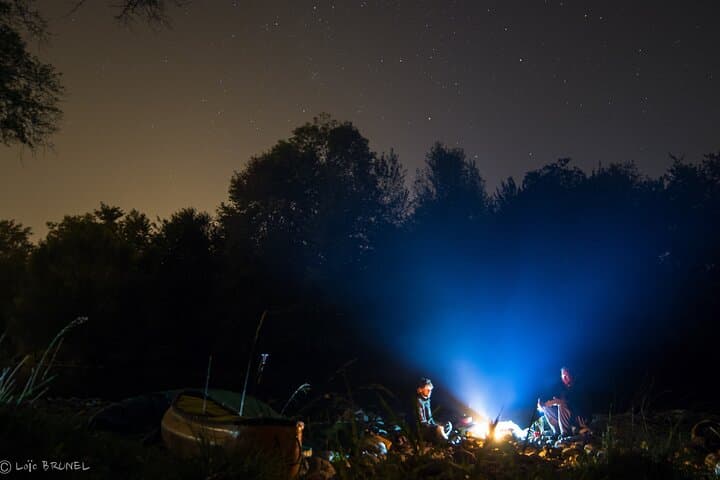
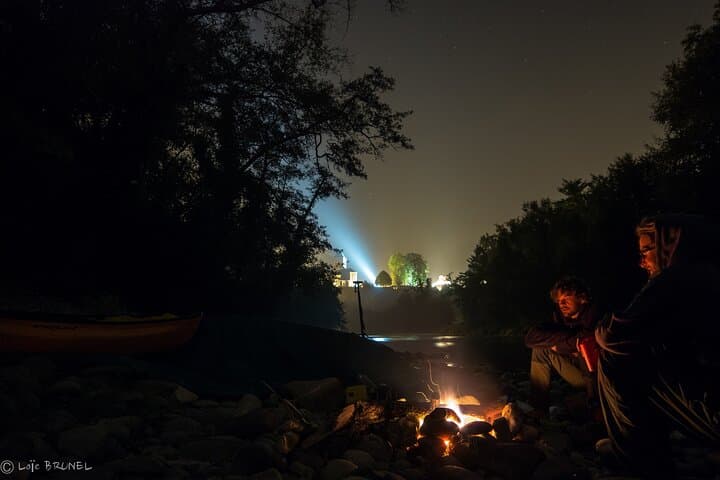
Practical flow: the route covers roughly 40 km over an overnight bivouac, combining guided whitewater instruction with campsite skills. Expect a day of continuous paddling punctuated by short portages and a riverside camp where hammocks and tents are set. Bring a sleeping bag rated for cool mountain nights, quick-dry layers, water (3 L recommended), and sturdy river shoes — one pair will get wet.
Safety and comfort are straightforward: instructors provide technical guidance and bivouac gear; you supply sensible footwear, hydration, and layering. The reward is simple — long river miles, a firelit raclette, and waking to bird song as the current pulls you toward the plains.
moderate.
24–30 hours.
Moderate fitness: you should be comfortable paddling several hours and handling brief carries and uneven terrain at camp.
The route combines gentle whitewater with occasional faster sections suitable for beginners with instruction; guides tailor challenges to the group.
No — guides provide technical coaching, but participants should have moderate fitness and comfort in moving water.
Hammocks are used under clear skies and tents are provided if weather turns; bring your own sleeping bag.
Yes — dinner (Pyrenean raclette) and breakfast are included; bring a picnic for the second day as recommended by the operator.
The Gave de Pau valley has been a mountain transit corridor for centuries; its rivers powered mills and connected pastoral communities to lowland markets.
The river corridor is ecologically sensitive—pack out all waste, avoid soaps in water, and follow guides’ instructions to minimize bank erosion and disturbance.
Tom Rafting operates guided outdoor trips and adventures with an emphasis on safety, stewardship, and memorable experiences.
You launch at first light where the mountain still holds a chill and the Gave de Pau pushes bright water around rocks like an impatient guide.
You launch at first light where the mountain still holds a chill and the Gave de Pau pushes bright water around rocks like an impatient guide.
The first strokes are in the high valley: fast, clear water winding through limestone walls carved by glaciers and rain. As you drift downstream the channel eases, meanders open, and the river’s mood changes from playful whitewater to wide, reflective pools where birds call and the current dares you to relax.
This stretch of the Gave de Pau has long been a corridor for shepherds and traders moving between mountain hamlets and the plains around Pau. Geologically the river runs on folded Pyrenean rock — sedimentary benches, scree slopes, and occasional glacial scars visible from shore. Locally, the night’s raclette is as much part of the program as the rapids: a culinary nod to pastoral life that has shaped the valley for generations.
Practical flow: the route covers roughly 40 km over an overnight bivouac, combining guided whitewater instruction with campsite skills. Expect a day of continuous paddling punctuated by short portages and a riverside camp where hammocks and tents are set. Bring a sleeping bag rated for cool mountain nights, quick-dry layers, water (3 L recommended), and sturdy river shoes — one pair will get wet.
Safety and comfort are straightforward: instructors provide technical guidance and bivouac gear; you supply sensible footwear, hydration, and layering. The reward is simple — long river miles, a firelit raclette, and waking to bird song as the current pulls you toward the plains.