THE ADVENTURE COLLECTIVE® · Independent discovery and booking for outdoor travel

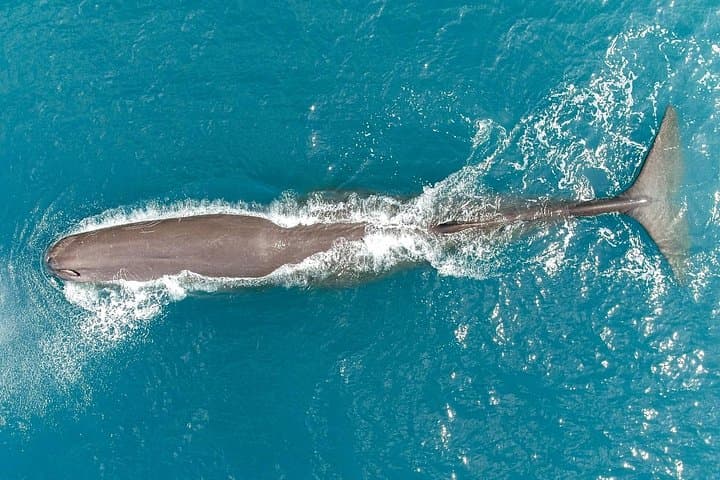
Lift above Kaikōura’s dramatic meeting of mountains and sea on a 40-minute scenic flight that hunts for sperm whales and other cetaceans. Expect expert pilot commentary, guaranteed window views, and weather-dependent wildlife sightings.
Lift above Kaikōura’s dramatic meeting of mountains and sea on a 40-minute scenic flight that hunts for sperm whales and other cetaceans. Expect expert pilot commentary, guaranteed window views, and weather-dependent wildlife sightings.
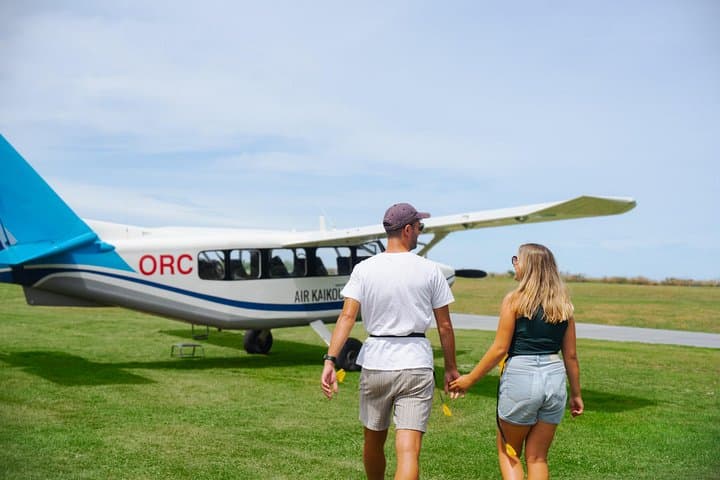
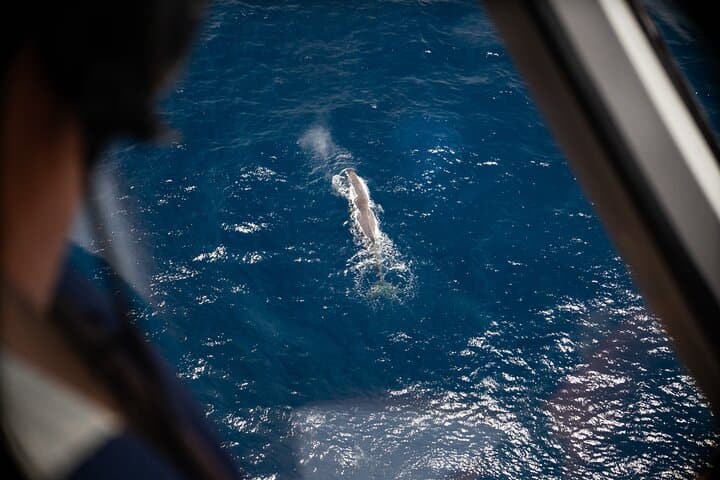
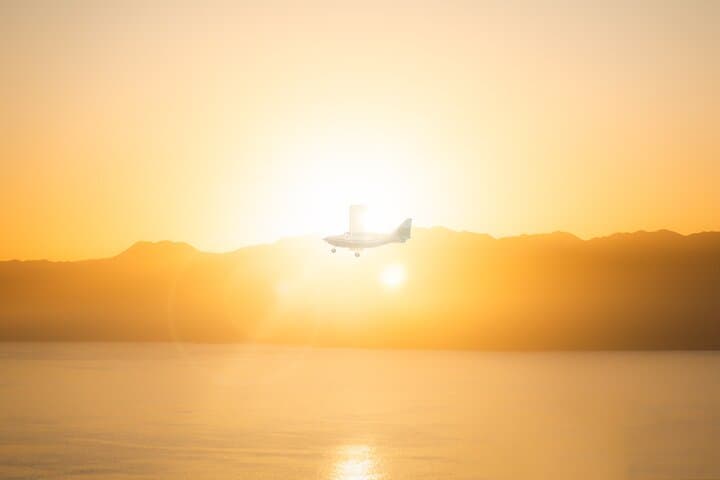
You taxi past the low terminal, climb into a small twin-engine plane and rise over the ragged spine where the Southern Alps push straight into the sea. Below, the ocean darkens as the Kaikōura Canyon funnels nutrient-rich water; from the air the whales look like slow-moving shadows testing the surface.
Verified experiences and guided adventures in the surrounding area.
Operated by Air Kaikoura · Kaikōura, Canterbury
You taxi past the low terminal, climb into a small twin-engine plane and rise over the ragged spine where the Southern Alps push straight into the sea. Below, the ocean darkens as the Kaikōura Canyon funnels nutrient-rich water; from the air the whales look like slow-moving shadows testing the surface.
Kaikōura’s modern reputation as a whale-watching hub builds on a longer story: Māori used the rich coastal waters for food, and the deep submarine canyon has supported large cetaceans long before tourism. Geologically, the abrupt meeting of mountains and Pacific Ocean is active—uplift from plate collision is visible in serrated ridgelines and shingle beaches. Local pilots combine that science with natural-history commentary, pointing out seabird feeding frenzies, dolphin pods and the telltale blows of sperm whales.
Practical notes: flights run about 40 minutes and include a window seat and headset commentary; check‑in is usually 30 minutes prior. Sightings are of wild animals and can’t be guaranteed, and flights may be cancelled in poor weather. There’s a weight policy (contact operator if over 120kg) and infants must sit on laps. For the best light, morning flights often reduce glare along the coast; afternoons can highlight the mountain shadows.
Expect cool, windy conditions at altitude—bring a windproof layer and secure camera gear. Pilots will point out likely whale locations and key coastline features, but the real reward is the combination of scale—giant whales against a coastline that still seems to push the sea away.
easy.
40 minutes.
Suitable for all fitness levels; requires only the ability to board a small aircraft
The scenic flight is approximately 40 minutes from takeoff to landing; total time at the facility may be longer due to check-in and briefing.
No—whales are wild animals and sightings cannot be guaranteed; flights may be rescheduled or cancelled for weather, but refunds are subject to the operator’s policy.
Yes—infants are allowed but must sit on laps; the operator notes wheelchair accessibility for ground areas but contact them if you have specific mobility needs.
There is a weight policy (contact the operator if any passenger is over 120kg); it’s important to disclose this when booking to ensure safety and appropriate seating.
Kaikōura’s Māori name references the importance of crayfish; the region’s coastal and marine resources have long supported both Māori communities and European coastal industries.
The Kaikōura underwater canyon supports rich marine life—respect distance from animals, follow DOC viewing guidelines, and support operators who prioritize minimal disturbance.
Air Kaikoura operates guided outdoor trips and adventures with an emphasis on safety, stewardship, and memorable experiences.
You taxi past the low terminal, climb into a small twin-engine plane and rise over the ragged spine where the Southern Alps push straight into the sea. Below, the ocean darkens as the Kaikōura Canyon funnels nutrient-rich water; from the air the whales look like slow-moving shadows testing the surface.
You taxi past the low terminal, climb into a small twin-engine plane and rise over the ragged spine where the Southern Alps push straight into the sea. Below, the ocean darkens as the Kaikōura Canyon funnels nutrient-rich water; from the air the whales look like slow-moving shadows testing the surface.
Kaikōura’s modern reputation as a whale-watching hub builds on a longer story: Māori used the rich coastal waters for food, and the deep submarine canyon has supported large cetaceans long before tourism. Geologically, the abrupt meeting of mountains and Pacific Ocean is active—uplift from plate collision is visible in serrated ridgelines and shingle beaches. Local pilots combine that science with natural-history commentary, pointing out seabird feeding frenzies, dolphin pods and the telltale blows of sperm whales.
Practical notes: flights run about 40 minutes and include a window seat and headset commentary; check‑in is usually 30 minutes prior. Sightings are of wild animals and can’t be guaranteed, and flights may be cancelled in poor weather. There’s a weight policy (contact operator if over 120kg) and infants must sit on laps. For the best light, morning flights often reduce glare along the coast; afternoons can highlight the mountain shadows.
Expect cool, windy conditions at altitude—bring a windproof layer and secure camera gear. Pilots will point out likely whale locations and key coastline features, but the real reward is the combination of scale—giant whales against a coastline that still seems to push the sea away.