THE ADVENTURE COLLECTIVE® · Independent discovery and booking for outdoor travel

Sail four nights down the Nile from Luxor to Aswan, visiting Karnak, the Valley of the Kings, Edfu and Kom Ombo while enjoying relaxed river life aboard a comfortable cruise. This itinerary blends intensive temple visits with time to watch the Nile’s daily rhythms.
Sail four nights down the Nile from Luxor to Aswan, visiting Karnak, the Valley of the Kings, Edfu and Kom Ombo while enjoying relaxed river life aboard a comfortable cruise. This itinerary blends intensive temple visits with time to watch the Nile’s daily rhythms.
The morning sun lifts off the Nile like a slow promise: the river pushes the boat forward, palms leaning in to watch. Onboard, teak decks and shaded lounges offer a steady rhythm—wake, visit, sail—while the shore slides past with mud-brick villages, sugar-date palms and temple pylons punctuating the horizon.
Verified experiences and guided adventures in the surrounding area.
Operated by Odysseys Voyage · Luxor, Luxor Governorate
The morning sun lifts off the Nile like a slow promise: the river pushes the boat forward, palms leaning in to watch. Onboard, teak decks and shaded lounges offer a steady rhythm—wake, visit, sail—while the shore slides past with mud-brick villages, sugar-date palms and temple pylons punctuating the horizon.
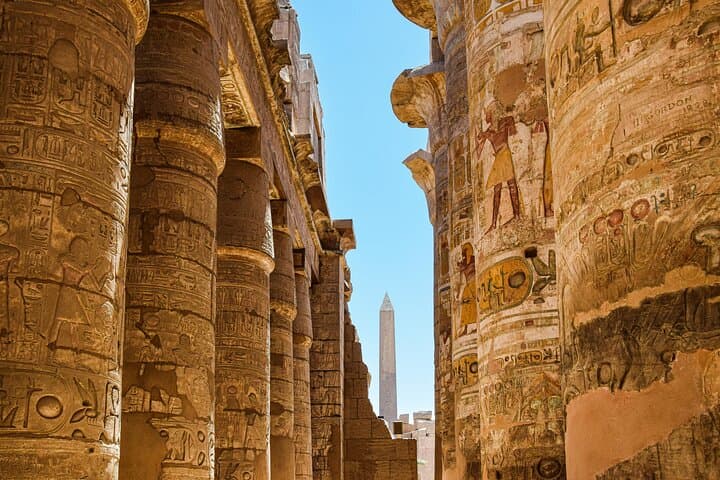
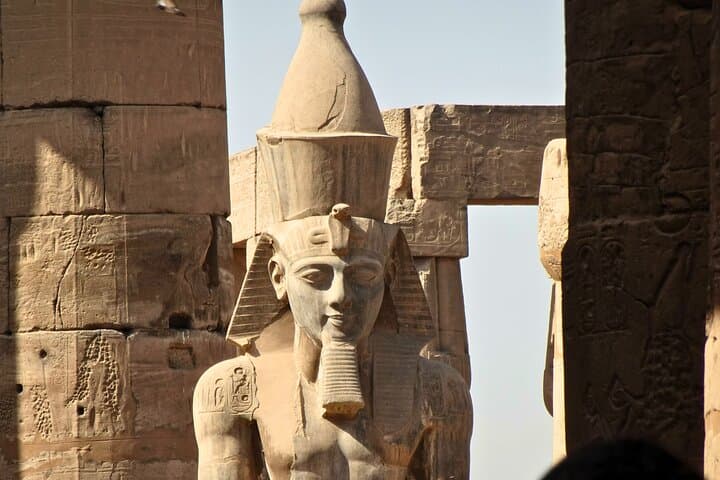
This route follows the civilization corridor where pharaohs raised massive stone monuments on a thin band of fertile alluvium. Karnak’s towering column forest, the painted caverns of the Valley of the Kings and Hatshepsut’s terraced mortuary stand on limestone and river-deposited silt shaped by millennia of Nile floods. Later stops—Edfu’s Temple of Horus, Kom Ombo’s dual sanctuaries, Philae on its island—trace religious change from Old Kingdom kingship to Ptolemaic patronage.
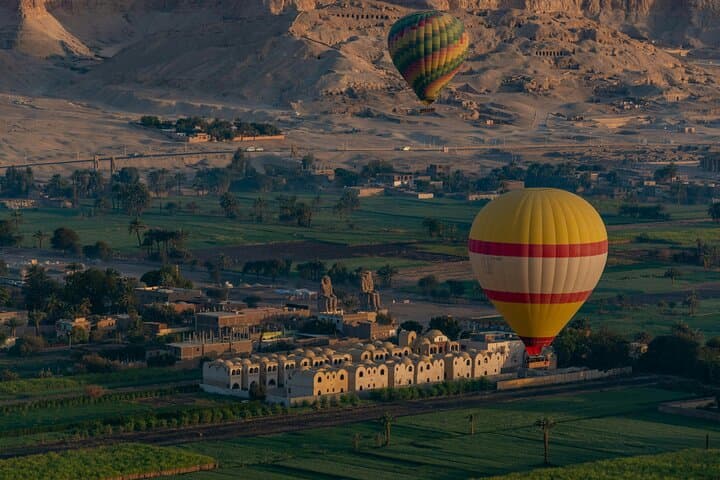
Local culture is visible in small markets, Nubian villages near Aswan and museum displays that explain irrigation, boatbuilding and the social role of the river. Expect guided temple walks, short transfers and time onboard to read, photograph and watch river life—herons stalking shallows, fishermen casting nets.
Practical edge: carry a daypack with sun protection, sturdy shoes for uneven stone, and plenty of bottled water; many temple approaches are dusty with stairs and uneven thresholds. Early starts beat heat and crowds; evenings on deck cool quickly after sunset. Confirm passport details and mobility needs before booking, and bring small bills for local guides and porters. This cruise balances slow-river comfort with intensive archaeological sightseeing—ideal for travelers who want context as well as calm.
moderate.
4–5 days.
Moderate fitness recommended: able to walk 1–3 miles with stairs and stand during guided tours.
The ship and transfers report wheelchair accessibility, but individual archaeological sites often have steps and uneven pathways—confirm specific access needs before booking.
Egyptian pounds are used locally; small US dollars are also accepted. Budget modest tips for guides, drivers and porters—ask your operator for current guidance.
Admissions are typically not included with the cruise price; plan extra cash for entry fees and optional guides at each site.
No—use bottled water for drinking and brushing teeth unless your provider confirms treated water onboard.
This corridor of the Nile was Egypt’s population and religious backbone; pharaonic temples were sited to control fertile floodplain and assert royal power over river transport.
Tour operators work with local authorities to manage visitor impact at sensitive archaeological sites—stick to marked paths, avoid flash photography in certain tombs and dispose of trash responsibly.
Odysseys Voyage operates guided outdoor trips and adventures with an emphasis on safety, stewardship, and memorable experiences.
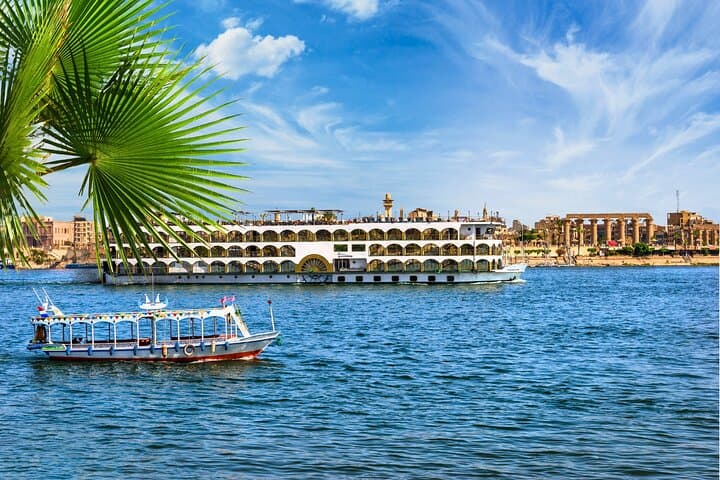
The morning sun lifts off the Nile like a slow promise: the river pushes the boat forward, palms leaning in to watch. Onboard, teak decks and shaded lounges offer a steady rhythm—wake, visit, sail—while the shore slides past with mud-brick villages, sugar-date palms and temple pylons punctuating the horizon.
The morning sun lifts off the Nile like a slow promise: the river pushes the boat forward, palms leaning in to watch. Onboard, teak decks and shaded lounges offer a steady rhythm—wake, visit, sail—while the shore slides past with mud-brick villages, sugar-date palms and temple pylons punctuating the horizon.
This route follows the civilization corridor where pharaohs raised massive stone monuments on a thin band of fertile alluvium. Karnak’s towering column forest, the painted caverns of the Valley of the Kings and Hatshepsut’s terraced mortuary stand on limestone and river-deposited silt shaped by millennia of Nile floods. Later stops—Edfu’s Temple of Horus, Kom Ombo’s dual sanctuaries, Philae on its island—trace religious change from Old Kingdom kingship to Ptolemaic patronage.
Local culture is visible in small markets, Nubian villages near Aswan and museum displays that explain irrigation, boatbuilding and the social role of the river. Expect guided temple walks, short transfers and time onboard to read, photograph and watch river life—herons stalking shallows, fishermen casting nets.
Practical edge: carry a daypack with sun protection, sturdy shoes for uneven stone, and plenty of bottled water; many temple approaches are dusty with stairs and uneven thresholds. Early starts beat heat and crowds; evenings on deck cool quickly after sunset. Confirm passport details and mobility needs before booking, and bring small bills for local guides and porters. This cruise balances slow-river comfort with intensive archaeological sightseeing—ideal for travelers who want context as well as calm.