THE ADVENTURE COLLECTIVE® · Independent discovery and booking for outdoor travel

Sail four nights from Luxor to Aswan aboard a full‑service Nile cruise, seeing Karnak, the Valley of the Kings, Edfu, Kom Ombo and Philae. This itinerary combines river time with guided temple visits and a classic felucca ride around Aswan’s islands.
Sail four nights from Luxor to Aswan aboard a full‑service Nile cruise, seeing Karnak, the Valley of the Kings, Edfu, Kom Ombo and Philae. This itinerary combines river time with guided temple visits and a classic felucca ride around Aswan’s islands.
You step onto the sun-warmed deck as dawn pulls a gold stripe across the Nile; feluccas slip like thoughts along the current, and the river pushes the boat gently south. The cruise hums with a practical rhythm—meals on schedule, guides ready, and the long line of temples waiting like stages along the shore.
Verified experiences and guided adventures in the surrounding area.
Operated by Special trips · Luxor, Luxor Governorate
You step onto the sun-warmed deck as dawn pulls a gold stripe across the Nile; feluccas slip like thoughts along the current, and the river pushes the boat gently south. The cruise hums with a practical rhythm—meals on schedule, guides ready, and the long line of temples waiting like stages along the shore.
This stretch of Upper Egypt compresses four thousand years of human ambition into a narrow green corridor. Luxor’s Karnak and Luxor Temple celebrate pharaonic power in colonnades and obelisks; the Valley of the Kings and Queens hide painted tombs cut into limestone ridges. Edfu’s well-preserved temple honors Horus with imperial symmetry, while Kom Ombo’s dual sanctuary tells a different mythic story. In Aswan, the High Dam reshaped the Nile and the landscape—Kitchener’s Island and Philae show how culture and water are braided here.
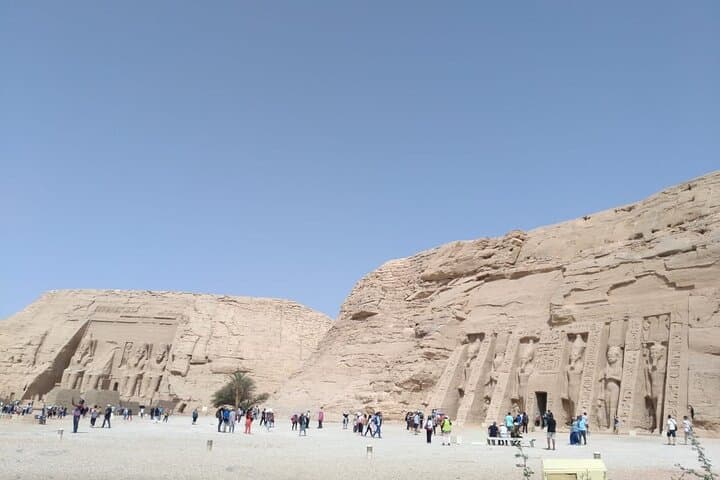
Practical guidance sits close to the romance: expect flat but uneven stone pathways and many steps at sites, sun that intensifies by mid-morning, and short transfers by shuttle or carriage from ship to shore. Choose early or late visits for cooler light and fewer crowds; pack a light scarf for temples and respectful dress. Bring a refillable bottle, sturdy walking shoes, and small cash for tips and market purchases. If you’re considering Abu Simbel, plan an extra flight; otherwise the ship’s felucca rides, lock crossings at Esna, and guided walks deliver the essentials—history, river travel, and the steady, human pulse of the Nile.
easy.
5 days (4 nights).
Suitable for most travelers with light-to-moderate mobility; be comfortable walking on uneven stone and climbing steps.
Carry small Egyptian pounds for market purchases, tips, and optional extras; major credit cards are accepted in larger venues but cash is handy for local vendors.
Yes—meals, cabins, and transfers accommodate families; however, supervise children at docks and archaeological sites with many steps.
Abu Simbel is typically an optional add-on by flight from Aswan; it requires an additional day or a dedicated excursion, so plan in advance.
Visits involve walking on uneven stone, climbing steps and short transfers from the ship; most travelers with average mobility can participate.
The route follows ancient trade and pilgrimage lines; many temples were centers of ritual and administration through Egypt’s New Kingdom and Ptolemaic periods.
Rising tourism and water management from the Aswan High Dam affect ecosystems; choose operators that minimize waste and support local conservation and community initiatives.
Special trips operates guided outdoor trips and adventures with an emphasis on safety, stewardship, and memorable experiences.
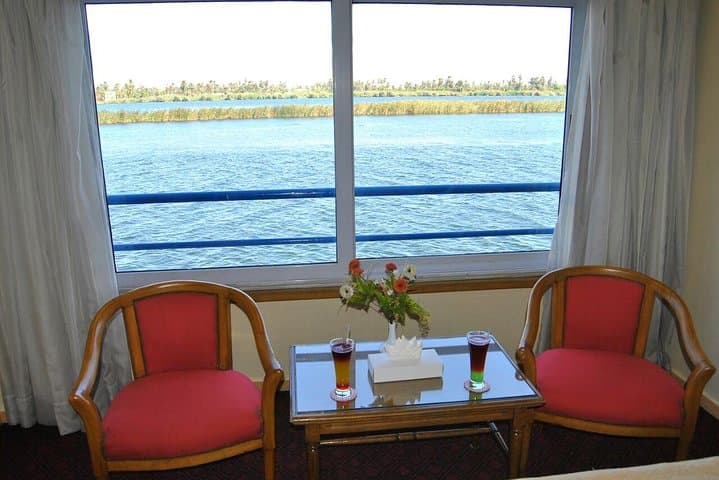
You step onto the sun-warmed deck as dawn pulls a gold stripe across the Nile; feluccas slip like thoughts along the current, and the river pushes the boat gently south. The cruise hums with a practical rhythm—meals on schedule, guides ready, and the long line of temples waiting like stages along the shore.
You step onto the sun-warmed deck as dawn pulls a gold stripe across the Nile; feluccas slip like thoughts along the current, and the river pushes the boat gently south. The cruise hums with a practical rhythm—meals on schedule, guides ready, and the long line of temples waiting like stages along the shore.
This stretch of Upper Egypt compresses four thousand years of human ambition into a narrow green corridor. Luxor’s Karnak and Luxor Temple celebrate pharaonic power in colonnades and obelisks; the Valley of the Kings and Queens hide painted tombs cut into limestone ridges. Edfu’s well-preserved temple honors Horus with imperial symmetry, while Kom Ombo’s dual sanctuary tells a different mythic story. In Aswan, the High Dam reshaped the Nile and the landscape—Kitchener’s Island and Philae show how culture and water are braided here.
Practical guidance sits close to the romance: expect flat but uneven stone pathways and many steps at sites, sun that intensifies by mid-morning, and short transfers by shuttle or carriage from ship to shore. Choose early or late visits for cooler light and fewer crowds; pack a light scarf for temples and respectful dress. Bring a refillable bottle, sturdy walking shoes, and small cash for tips and market purchases. If you’re considering Abu Simbel, plan an extra flight; otherwise the ship’s felucca rides, lock crossings at Esna, and guided walks deliver the essentials—history, river travel, and the steady, human pulse of the Nile.