THE ADVENTURE COLLECTIVE® · Independent discovery and booking for outdoor travel

Drift down the Nile from Luxor to Aswan on a relaxed four-night cruise that pairs sunrise hot air ballooning over the Valley of the Kings with guided visits to Karnak, Edfu, Kom Ombo, Philae and the relocated temples at Abu Simbel. This itinerary blends scenic river time with focused archaeological stops.
Drift down the Nile from Luxor to Aswan on a relaxed four-night cruise that pairs sunrise hot air ballooning over the Valley of the Kings with guided visits to Karnak, Edfu, Kom Ombo, Philae and the relocated temples at Abu Simbel. This itinerary blends scenic river time with focused archaeological stops.
Dawn breaks over Luxor and the Nile wakes, a slow current that seems to dare you forward as the cruise ship slips from its mooring. Hot air balloons dot the pale sky, lifting passengers above the West Bank where the Valley of the Kings cuts dark lines into the desert. On deck, the river carries you past palm-fringed fields and sculpted sandstone cliffs while the ship hums a steady, low rhythm.
Verified experiences and guided adventures in the surrounding area.
Operated by Luxor Taxi - DayTour · Luxor, Luxor Governorate
Dawn breaks over Luxor and the Nile wakes, a slow current that seems to dare you forward as the cruise ship slips from its mooring. Hot air balloons dot the pale sky, lifting passengers above the West Bank where the Valley of the Kings cuts dark lines into the desert. On deck, the river carries you past palm-fringed fields and sculpted sandstone cliffs while the ship hums a steady, low rhythm.
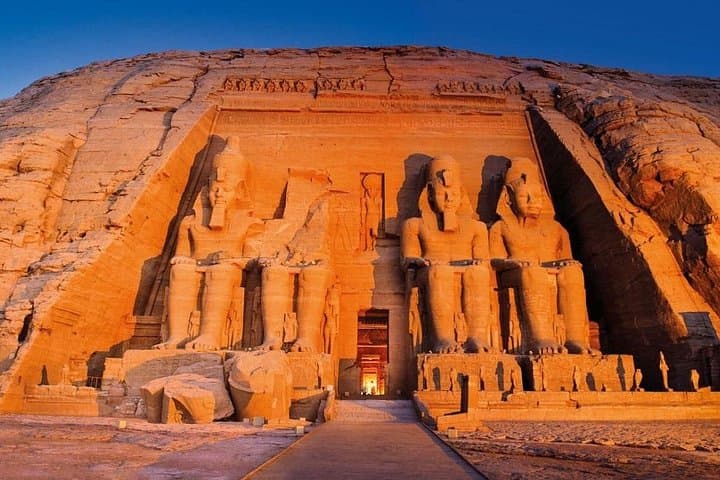
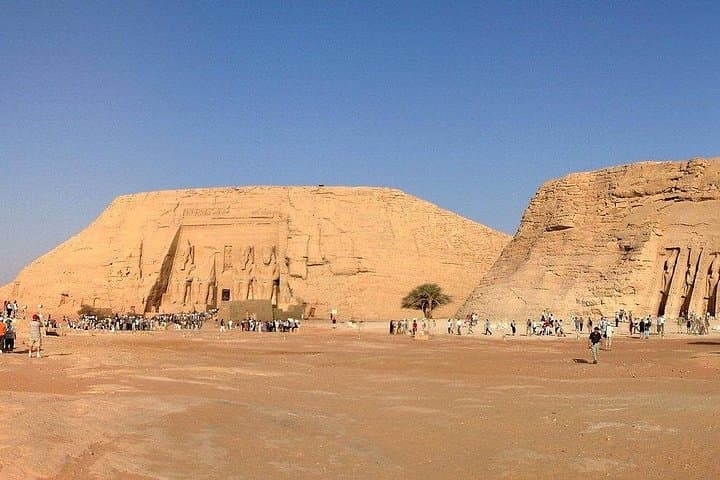
This route traces millennia of human presence—Pharaonic funerary complexes on the West Bank, the monumental pylons of Karnak on the East, and the relocated temples of Philae and Abu Simbel rescued from Lake Nasser's rising waters. Geologically, the Nile corridor is a narrow fertile ribbon on a bed of sedimentary rock; culturally, towns along the river remain anchored to agriculture and Nile commerce.
Expect a balance of slow travel and concentrated exploration: guided walks through temple courts, mid-day sails between Edfu and Kom Ombo, and an early-morning balloon ride that reframes the landscape. Practicalities matter—carry sun protection, a light daypack, and closed shoes for uneven temple surfaces. Temperatures swing sharply between pre-dawn balloon launches and midday shade on stone.
Plan for local logistics: passports and permits for Abu Simbel, small local-currency bills for tips, and flexible pacing to absorb heat and crowds. Photography windows arrive at first light and late afternoon; these are also the quietest moments to feel the river's motion and the ancient stones' scale. The trip is both restorative and active: a cruise that moves you physically downriver and mentally back in time.
easy.
5 days.
Suitable for travelers with basic mobility who can walk on uneven ground for up to a few hours; not strenuous.
Yes; the itinerary includes a hot air balloon flight over Luxor's West Bank, typically scheduled at sunrise and subject to weather and operational confirmation.
Guided tours and transportation are included, but check the tour details—some specialized tombs or optional sites may require additional entrance fees on site.
This itinerary spans four nights and five days, with daytime sailings between sites and overnight moorings on the river.
Yes—travelers must provide passport details and visa information as requested at booking; many nationalities require an Egyptian visa obtained before arrival or on entry depending on regulations.
The route follows core centers of New Kingdom power; many temples were relocated during the 1960s Nubian salvage campaign when Lake Nasser was formed.
Tour operators now emphasize limited-impact visits to fragile sites and encourage supporting local conservation projects that protect Nile habitats and cultural heritage.
Luxor Taxi - DayTour operates guided outdoor trips and adventures with an emphasis on safety, stewardship, and memorable experiences.
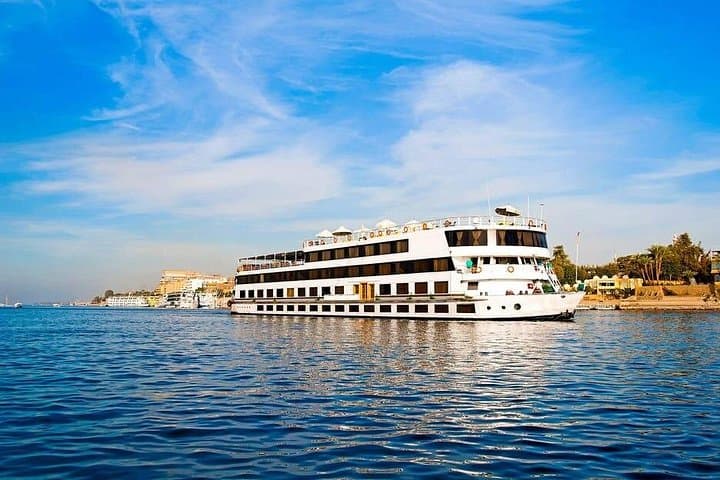
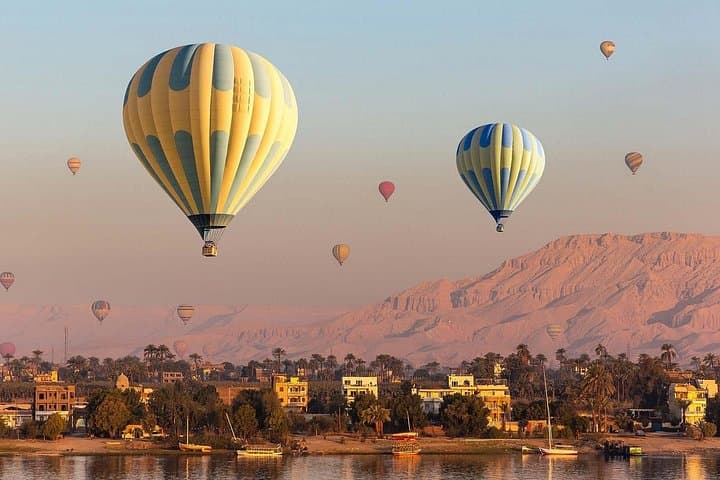
Dawn breaks over Luxor and the Nile wakes, a slow current that seems to dare you forward as the cruise ship slips from its mooring. Hot air balloons dot the pale sky, lifting passengers above the West Bank where the Valley of the Kings cuts dark lines into the desert. On deck, the river carries you past palm-fringed fields and sculpted sandstone cliffs while the ship hums a steady, low rhythm.
Dawn breaks over Luxor and the Nile wakes, a slow current that seems to dare you forward as the cruise ship slips from its mooring. Hot air balloons dot the pale sky, lifting passengers above the West Bank where the Valley of the Kings cuts dark lines into the desert. On deck, the river carries you past palm-fringed fields and sculpted sandstone cliffs while the ship hums a steady, low rhythm.
This route traces millennia of human presence—Pharaonic funerary complexes on the West Bank, the monumental pylons of Karnak on the East, and the relocated temples of Philae and Abu Simbel rescued from Lake Nasser's rising waters. Geologically, the Nile corridor is a narrow fertile ribbon on a bed of sedimentary rock; culturally, towns along the river remain anchored to agriculture and Nile commerce.
Expect a balance of slow travel and concentrated exploration: guided walks through temple courts, mid-day sails between Edfu and Kom Ombo, and an early-morning balloon ride that reframes the landscape. Practicalities matter—carry sun protection, a light daypack, and closed shoes for uneven temple surfaces. Temperatures swing sharply between pre-dawn balloon launches and midday shade on stone.
Plan for local logistics: passports and permits for Abu Simbel, small local-currency bills for tips, and flexible pacing to absorb heat and crowds. Photography windows arrive at first light and late afternoon; these are also the quietest moments to feel the river's motion and the ancient stones' scale. The trip is both restorative and active: a cruise that moves you physically downriver and mentally back in time.