THE ADVENTURE COLLECTIVE® · Independent discovery and booking for outdoor travel

Glide along the Nile between Luxor and Aswan on a four-night cruise that pairs five-star comfort with guided visits to Egypt’s greatest temples and tombs. Read on for what to expect on deck, on foot and at the archaeological sites.
Glide along the Nile between Luxor and Aswan on a four-night cruise that pairs five-star comfort with guided visits to Egypt’s greatest temples and tombs. Read on for what to expect on deck, on foot and at the archaeological sites.
You step onto the ship in Luxor as the sun tilts low, and the Nile slides past like an old, deliberate current pushing you downstream. Palm fringes, mudbrick villages and the occasional fisherman in a felucca form a living margin while the cruise hums forward—comfortable cabins, a shaded deck, and the low cadence of daily life on the river.
Verified experiences and guided adventures in the surrounding area.
Operated by Saray El-Nile · Luxor, Luxor Governorate
You step onto the ship in Luxor as the sun tilts low, and the Nile slides past like an old, deliberate current pushing you downstream. Palm fringes, mudbrick villages and the occasional fisherman in a felucca form a living margin while the cruise hums forward—comfortable cabins, a shaded deck, and the low cadence of daily life on the river.
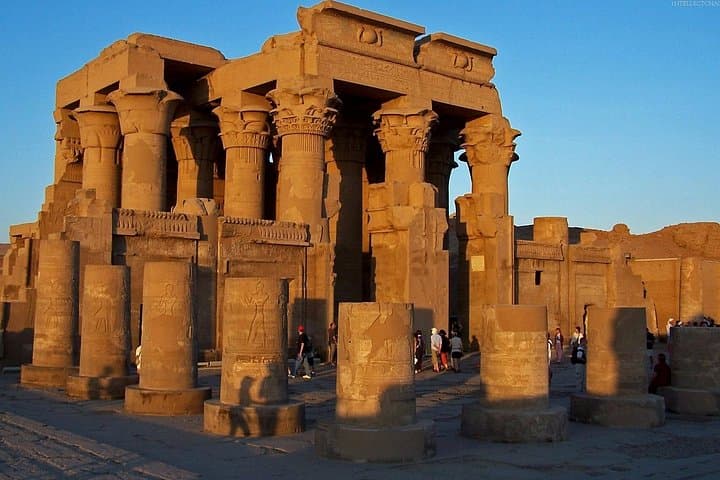
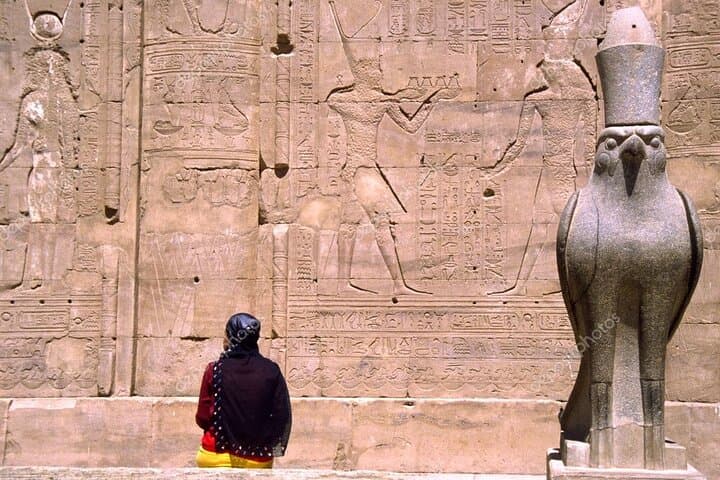
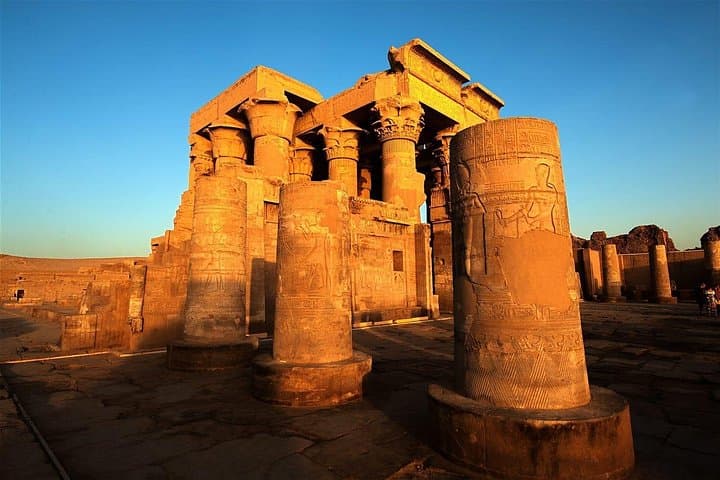
The route follows the life-giving floodplain that made ancient Egypt possible: fertile alluvium between steep limestone cliffs on the west bank and low desert on the east. Over four nights you visit Karnak and Luxor Temples, the Valley of the Kings, Hatshepsut’s terraces, Edfu’s Horus temple, Kom Ombo’s twin sanctuaries, and Aswan’s High Dam and Philae—sites that span pharaonic religious power, royal tomb engineering and Roman-era temple work.
Culture here is tactile: Egyptologists unpack hieroglyphs and quarry techniques while locals still trade vegetables and pottery at riverside docks. Geology shows in the unfinished obelisk’s granite scars; history is in mortuary alignments and sunlit reliefs.
Practical guidance: bring lightweight, modest clothing for temple visits, sturdy walking shoes for uneven stone floors, and sun protection—the heat is significant from late spring through early fall. Carry small change in Egyptian pounds for local purchases and tips. Expect guided shore excursions with short walks and stairs; notify operators about mobility needs. Plan for early starts to avoid midday heat and use onboard downtime to recharge and compare notes with your Egyptologist—this cruise pairs easy comfort with concentrated, walkable archaeology.
easy.
4 nights (approximately 4 days aboard, 5 calendar days including transfers).
Minimal fitness required for cruising; be prepared for several short to moderate walks and stairs at archaeological sites.
Yes—this itinerary includes full-board dining (breakfast, lunch, dinner and afternoon tea) served onboard during the four nights.
The cruise itself is accessible, but many archaeological sites involve stairs and uneven surfaces; contact the operator ahead to discuss accessibility needs and potential alternatives.
Most travelers need an entry visa for Egypt and should check health recommendations before travel; visa rules vary by nationality so confirm with your embassy prior to arrival.
This listing notes private-tour elements and included guided excursions, but any changes should be arranged with the operator in advance and may affect pricing or logistics.
The Nile corridor hosted continuous human settlement for millennia; temples and tombs along this route record pharaonic, Ptolemaic and Roman layers of occupation.
Increasing tourism places pressure on fragile monuments and local water resources; stick to marked paths, avoid touching reliefs, and support guides and operators who follow sustainable visitor practices.
Saray El-Nile operates guided outdoor trips and adventures with an emphasis on safety, stewardship, and memorable experiences.
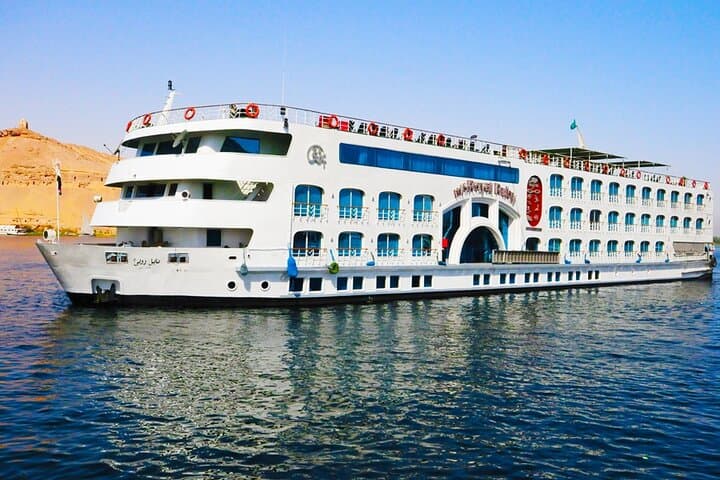
You step onto the ship in Luxor as the sun tilts low, and the Nile slides past like an old, deliberate current pushing you downstream. Palm fringes, mudbrick villages and the occasional fisherman in a felucca form a living margin while the cruise hums forward—comfortable cabins, a shaded deck, and the low cadence of daily life on the river.
You step onto the ship in Luxor as the sun tilts low, and the Nile slides past like an old, deliberate current pushing you downstream. Palm fringes, mudbrick villages and the occasional fisherman in a felucca form a living margin while the cruise hums forward—comfortable cabins, a shaded deck, and the low cadence of daily life on the river.
The route follows the life-giving floodplain that made ancient Egypt possible: fertile alluvium between steep limestone cliffs on the west bank and low desert on the east. Over four nights you visit Karnak and Luxor Temples, the Valley of the Kings, Hatshepsut’s terraces, Edfu’s Horus temple, Kom Ombo’s twin sanctuaries, and Aswan’s High Dam and Philae—sites that span pharaonic religious power, royal tomb engineering and Roman-era temple work.
Culture here is tactile: Egyptologists unpack hieroglyphs and quarry techniques while locals still trade vegetables and pottery at riverside docks. Geology shows in the unfinished obelisk’s granite scars; history is in mortuary alignments and sunlit reliefs.
Practical guidance: bring lightweight, modest clothing for temple visits, sturdy walking shoes for uneven stone floors, and sun protection—the heat is significant from late spring through early fall. Carry small change in Egyptian pounds for local purchases and tips. Expect guided shore excursions with short walks and stairs; notify operators about mobility needs. Plan for early starts to avoid midday heat and use onboard downtime to recharge and compare notes with your Egyptologist—this cruise pairs easy comfort with concentrated, walkable archaeology.