THE ADVENTURE COLLECTIVE® · Independent discovery and booking for outdoor travel

Follow the Nile from Luxor to Aswan on a 4-night cruise that pairs classic pharaonic sites with a dawn hot-air balloon over the Valley of the Kings. Practical, fast-paced, and heavy on logistics handled for you, this trip is designed for travelers who want maximum sites with minimum hassle.
Follow the Nile from Luxor to Aswan on a 4-night cruise that pairs classic pharaonic sites with a dawn hot-air balloon over the Valley of the Kings. Practical, fast-paced, and heavy on logistics handled for you, this trip is designed for travelers who want maximum sites with minimum hassle.
You step off the plane into the slow, warm air of Upper Egypt and the Nile already seems to be pulling you south — a dark ribbon that dares you to follow it. The itinerary moves fast: fly Cairo to Luxor, board a 5-star Nile cruiser, watch the river push the boat past palm fringes and mud brick villages, and visit New Kingdom tombs and temples carved from the living rock.
Verified experiences and guided adventures in the surrounding area.
Operated by Oxen of Egypt Tours · Luxor, Luxor Governorate
You step off the plane into the slow, warm air of Upper Egypt and the Nile already seems to be pulling you south — a dark ribbon that dares you to follow it. The itinerary moves fast: fly Cairo to Luxor, board a 5-star Nile cruiser, watch the river push the boat past palm fringes and mud brick villages, and visit New Kingdom tombs and temples carved from the living rock.
This route threads major monuments and local culture. On Luxor’s west bank, the Valley of the Kings holds pharaonic tombs cut into limestone; nearby, Hatshepsut’s mortuary temple rises from sandstone terraces. Dawn in a hot-air balloon gives scale to Karnak’s avenue of columns. Sailing south, Edfu’s Ptolemaic temple and Kom Ombo’s twin shrines reveal Greco-Roman touches layered over Pharaonic devotion. Abu Simbel — Ramses II’s sun-aligned colossi — sits further downstream, moved in the 20th century to save it from the High Dam’s rising waters. In Aswan, Philae occupies an island garden of papyrus and bird song.
Plan for sun, steps, and warm evenings. Expect uneven stone floors, short hikes between sites, and boat transfers to island temples. Carry sunscreen, sturdy walking shoes, and a lightweight layer for early-morning balloon rides. Timing matters: mornings are best for crowds and heat; some optional tombs require extra tickets. The trip balances big-name archaeology with quiet riverside moments and a clear guide-backed itinerary that handles logistics — the river and its history do the rest.
moderate.
5 days.
Suitable for travelers in average physical condition who can walk on uneven ground, climb steps, and handle multi-site days.
Basic entrance to key sites is often included for the itinerary’s standard stops, but optional special-tomb entries (e.g., Tutankhamun, Seti I) typically require extra fees on site.
The balloon is usually an included or optional early-morning activity but is weather-dependent; operators cancel for safety and offer alternatives if flights are grounded.
Many parts of the cruise and some temple areas are accessible, but tombs and older sites have stairs and narrow passages; check specific accessibility needs with the operator in advance.
October–April offers cooler daytime temperatures and more comfortable touring; summer is very hot and requires careful hydration and early starts.
The Nile route links millennia of human settlement; many temples date to the New Kingdom and were designed around solar cycles and riverine fertility.
Monuments are sensitive to tourist wear and changes in water management from the Aswan High Dam; stick to marked paths, avoid touching reliefs, and support local conservation programs where possible.
Oxen of Egypt Tours operates guided outdoor trips and adventures with an emphasis on safety, stewardship, and memorable experiences.
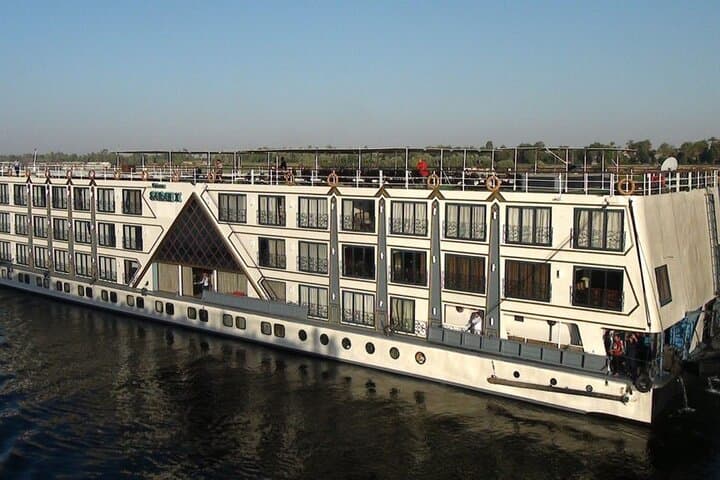
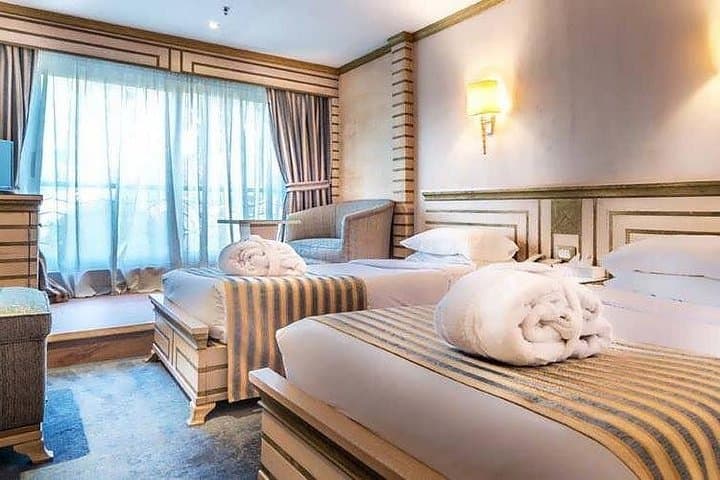
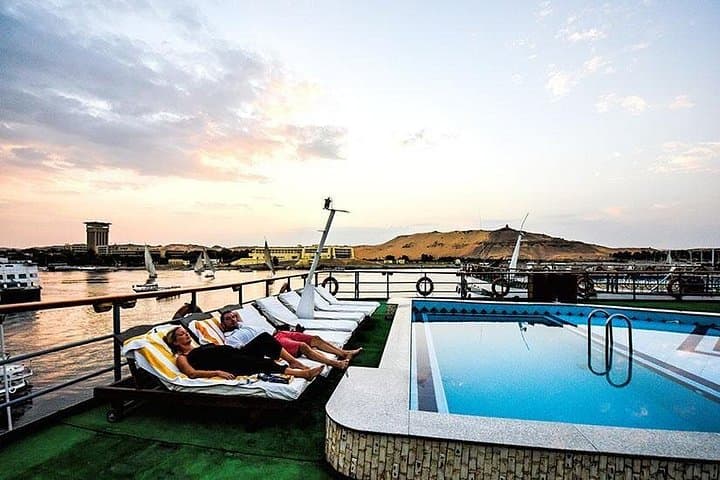
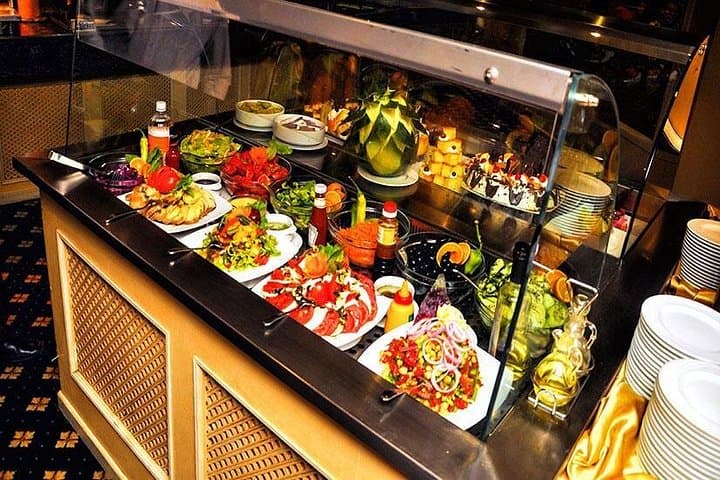
You step off the plane into the slow, warm air of Upper Egypt and the Nile already seems to be pulling you south — a dark ribbon that dares you to follow it. The itinerary moves fast: fly Cairo to Luxor, board a 5-star Nile cruiser, watch the river push the boat past palm fringes and mud brick villages, and visit New Kingdom tombs and temples carved from the living rock.
You step off the plane into the slow, warm air of Upper Egypt and the Nile already seems to be pulling you south — a dark ribbon that dares you to follow it. The itinerary moves fast: fly Cairo to Luxor, board a 5-star Nile cruiser, watch the river push the boat past palm fringes and mud brick villages, and visit New Kingdom tombs and temples carved from the living rock.
This route threads major monuments and local culture. On Luxor’s west bank, the Valley of the Kings holds pharaonic tombs cut into limestone; nearby, Hatshepsut’s mortuary temple rises from sandstone terraces. Dawn in a hot-air balloon gives scale to Karnak’s avenue of columns. Sailing south, Edfu’s Ptolemaic temple and Kom Ombo’s twin shrines reveal Greco-Roman touches layered over Pharaonic devotion. Abu Simbel — Ramses II’s sun-aligned colossi — sits further downstream, moved in the 20th century to save it from the High Dam’s rising waters. In Aswan, Philae occupies an island garden of papyrus and bird song.
Plan for sun, steps, and warm evenings. Expect uneven stone floors, short hikes between sites, and boat transfers to island temples. Carry sunscreen, sturdy walking shoes, and a lightweight layer for early-morning balloon rides. Timing matters: mornings are best for crowds and heat; some optional tombs require extra tickets. The trip balances big-name archaeology with quiet riverside moments and a clear guide-backed itinerary that handles logistics — the river and its history do the rest.