THE ADVENTURE COLLECTIVE® · Independent discovery and booking for outdoor travel

A five-day Nile cruise from Luxor to Aswan that pairs temple-heavy excursions with relaxed days on deck. Highlights include a hot-air balloon over Luxor, the Valley of the Kings, Edfu and Kom Ombo, and a dawn visit to Abu Simbel.
A five-day Nile cruise from Luxor to Aswan that pairs temple-heavy excursions with relaxed days on deck. Highlights include a hot-air balloon over Luxor, the Valley of the Kings, Edfu and Kom Ombo, and a dawn visit to Abu Simbel.
Dawn lifts off the Nile in a wash of ochre and gold as the ship slips away from Luxor’s quay. The deck hums with low conversation, the pool glinting like a private inlet, and downstream the river bends toward temples that have shaped civilizations.
Verified experiences and guided adventures in the surrounding area.
Operated by Book Your Tours · Luxor, Luxor Governorate
Dawn lifts off the Nile in a wash of ochre and gold as the ship slips away from Luxor’s quay. The deck hums with low conversation, the pool glinting like a private inlet, and downstream the river bends toward temples that have shaped civilizations.
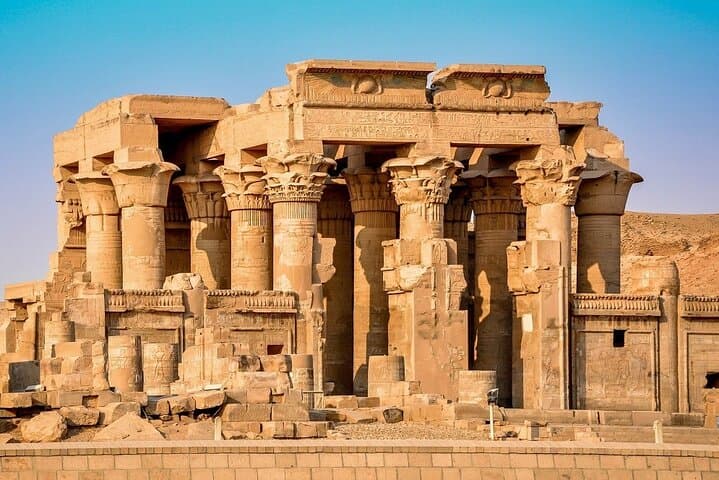
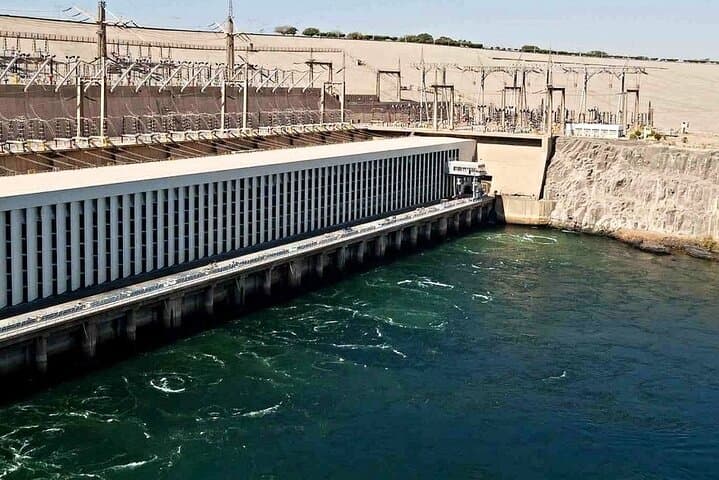
This five-day route follows a classic archaeological spine: Karnak and Luxor on the east bank, the Valley of the Kings and Hatshepsut’s mortuary temple on the west, then slow days of sailing past Edfu and Kom Ombo before reaching Aswan and the monumental twin temples of Abu Simbel. Geologically, the voyage threads a narrow green ribbon through the Eastern Desert escarpment; culturally it traces millennia of Pharaonic construction, Greek-Roman inscriptions at Edfu, and the modern engineering story of the Aswan High Dam and the relocation of Abu Simbel in the 1960s.
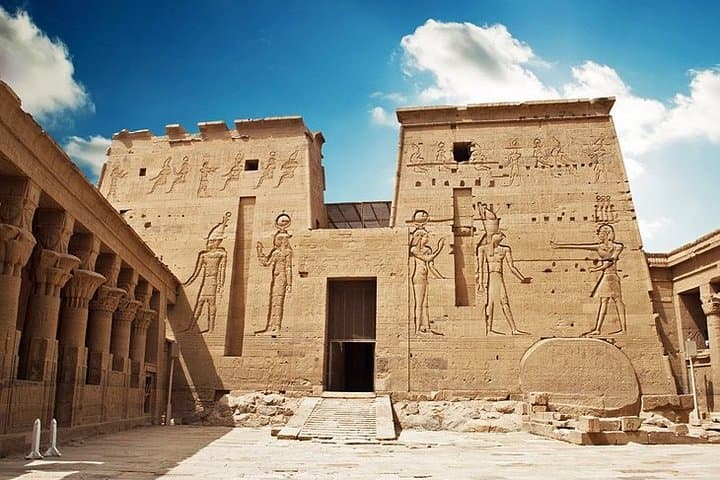
Onboard, expect full-board meals, mid-day shade on deck, and short motor-boat excursions to islands like Philae. Landings are often short and guided by Egyptologists who outline hieroglyphic panels, funerary architecture and the odd mythic detail that animates the stone.
Practical guidance: plan early mornings for balloon rides and Abu Simbel transfers, carry cash for small vendors and tips, and wear sturdy shoes for uneven temple pavements. Hydrate constantly and layer light clothing—the sun is strong but early mornings and boats can be cool.
This trip balances slow sailing with intense archeological days: it’s immersive, manageable, and built for travelers who want history served alongside comfort.
moderate.
5 days.
Light-to-moderate fitness; able to walk 1–3 miles per day with standing and stairs at sites
Yes; this itinerary includes door-to-door transfers from Hurghada to the Hurghada bus station and onward bus tickets to Luxor.
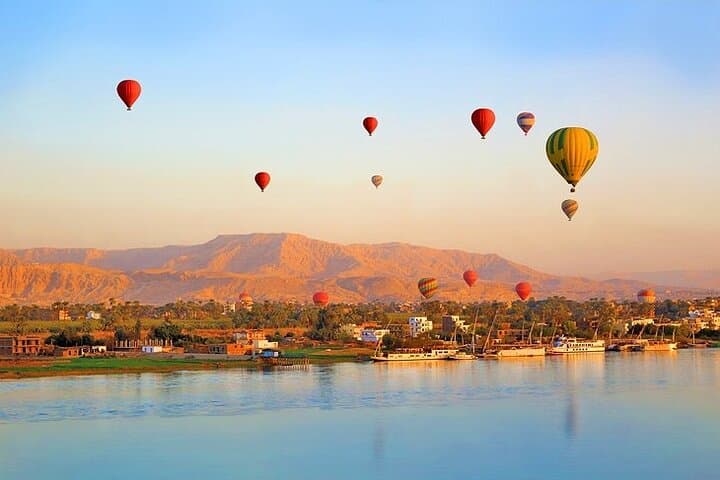
A hot-air balloon experience is included in the itinerary on the early morning of day two, subject to weather and local operator schedules.
Some boat and communal areas are wheelchair-accessible and transfers are offered, but many ancient sites have uneven surfaces and steps—check specifics with the operator in advance.
Visitors to Egypt typically require a tourist visa (check your nationality) and routine travel vaccinations; confirm current entry requirements before travel.
The modern Nile cruise grew from colonial-era river tourism; many temple relocations—most famously Abu Simbel—were international conservation projects following the Aswan High Dam.
Visitors should avoid touching reliefs, use marked pathways, and limit single-use plastics; local communities are sensitive to water use so conserve freshwater when on board.
Book Your Tours operates guided outdoor trips and adventures with an emphasis on safety, stewardship, and memorable experiences.
Dawn lifts off the Nile in a wash of ochre and gold as the ship slips away from Luxor’s quay. The deck hums with low conversation, the pool glinting like a private inlet, and downstream the river bends toward temples that have shaped civilizations.
Dawn lifts off the Nile in a wash of ochre and gold as the ship slips away from Luxor’s quay. The deck hums with low conversation, the pool glinting like a private inlet, and downstream the river bends toward temples that have shaped civilizations.
This five-day route follows a classic archaeological spine: Karnak and Luxor on the east bank, the Valley of the Kings and Hatshepsut’s mortuary temple on the west, then slow days of sailing past Edfu and Kom Ombo before reaching Aswan and the monumental twin temples of Abu Simbel. Geologically, the voyage threads a narrow green ribbon through the Eastern Desert escarpment; culturally it traces millennia of Pharaonic construction, Greek-Roman inscriptions at Edfu, and the modern engineering story of the Aswan High Dam and the relocation of Abu Simbel in the 1960s.
Onboard, expect full-board meals, mid-day shade on deck, and short motor-boat excursions to islands like Philae. Landings are often short and guided by Egyptologists who outline hieroglyphic panels, funerary architecture and the odd mythic detail that animates the stone.
Practical guidance: plan early mornings for balloon rides and Abu Simbel transfers, carry cash for small vendors and tips, and wear sturdy shoes for uneven temple pavements. Hydrate constantly and layer light clothing—the sun is strong but early mornings and boats can be cool.
This trip balances slow sailing with intense archeological days: it’s immersive, manageable, and built for travelers who want history served alongside comfort.