THE ADVENTURE COLLECTIVE® · Independent discovery and booking for outdoor travel

Travel from Beirut to Jeita Grotto, Byblos, Baalbek and the Cedars in a compact four‑night package that blends archaeology, geology and mountain scenery. Expect full days, hotel transfers, three lunches and guided visits to UNESCO and pilgrimage sites.
Travel from Beirut to Jeita Grotto, Byblos, Baalbek and the Cedars in a compact four‑night package that blends archaeology, geology and mountain scenery. Expect full days, hotel transfers, three lunches and guided visits to UNESCO and pilgrimage sites.
A salt breeze off the Bay of Jounieh opens the day as the group departs Beirut, the city shrinking behind a string of coastal villages and pine-splashed slopes. By mid-morning the karst caverns of Jeita draw you into cool, echoing chambers where mineral curtains and silent underground rivers seem to move with a patient, geological will.
Verified experiences and guided adventures in the surrounding area.
Operated by Beirut Daily Tours · Beirut, Beirut Governorate
A salt breeze off the Bay of Jounieh opens the day as the group departs Beirut, the city shrinking behind a string of coastal villages and pine-splashed slopes. By mid-morning the karst caverns of Jeita draw you into cool, echoing chambers where mineral curtains and silent underground rivers seem to move with a patient, geological will.
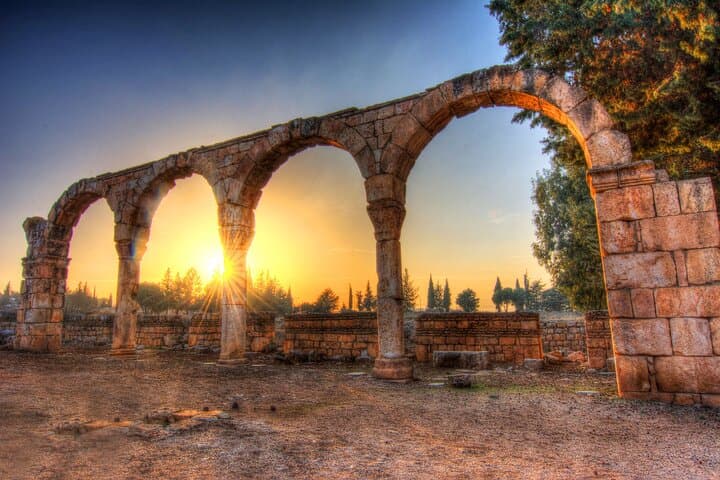
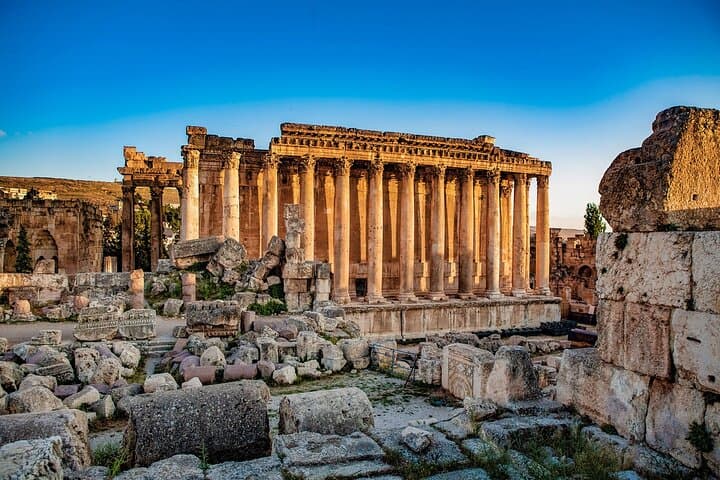
This compact, guided loop threads Lebanon’s long history into a tight itinerary: Phoenician ports at Byblos, Roman giants at Baalbek, Umayyad planning in Anjar and the early-Christian hermitages of the Qadisha Valley. Geology and human history overlap—the limestone of Jeita and the rugged canyons of Qadisha shaped routes for trade, shelter and prayer for millennia.
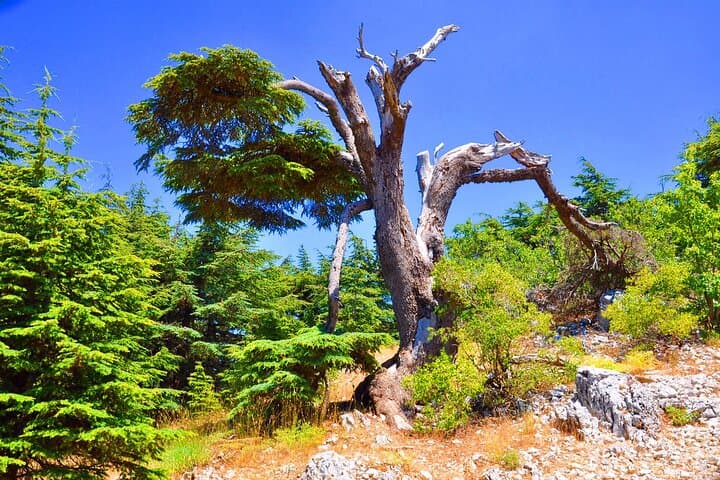
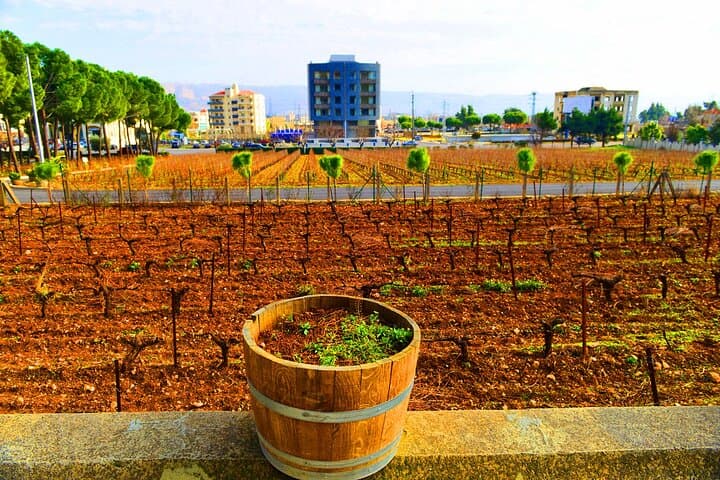
Cultural touchpoints punctuate the route: gondola rides to Harissa’s colossal Virgin statue, the medieval keep at Byblos, and a cellar visit at Château Ksara where 19th‑century winemaking meets Bekaa sun. In Bcharre, the cedar groves feel elemental; these few hundred ancient trees are national icons and ecological survivors.
Practical note: days are full but paced—expect short drives between major sites, three included lunches and hotel pickup/drop-off in Beirut. Footwear should handle cobbles and short uneven trails; seasonal layers are essential mountain-to-coast. Mornings are best for caves and ruins to avoid heat and crowds; bring water, a light daypack and respect for protected sites.
For travelers wanting a dense cultural and natural primer on northern Lebanon, this four‑night route delivers vivid contrasts—sea, stone and cedar—framed by guides who link place, practice and provenance.
easy.
4 nights / 5 days.
Suitable for travelers of average fitness; involves short walks, stairs and brief uneven terrain.
Yes—round-trip airport transfers and hotel pickup/drop-off in Beirut are included in the package.
Admissions for listed attractions such as Jeita and the Baalbek complex are included where noted in the itinerary; check your booking confirmation for specifics.
Walks are short and generally low-impact, though some sites have stairs and uneven ground; the tour is rated suitable for most fitness levels.
Meals are included for several lunches and breakfasts; note dietary requirements during booking so the operator can accommodate them when possible.
The route crosses layers of Lebanese history—from Phoenician trading at Byblos to Roman monumentalism at Baalbek and Umayyad city planning at Anjar—showing continuous occupation and strategic geography.
The Cedars reserve and Qadisha monasteries are protected but fragile; stay on paths, avoid picking vegetation and support local conservation initiatives when possible.
Beirut Daily Tours operates guided outdoor trips and adventures with an emphasis on safety, stewardship, and memorable experiences.
A salt breeze off the Bay of Jounieh opens the day as the group departs Beirut, the city shrinking behind a string of coastal villages and pine-splashed slopes. By mid-morning the karst caverns of Jeita draw you into cool, echoing chambers where mineral curtains and silent underground rivers seem to move with a patient, geological will.
A salt breeze off the Bay of Jounieh opens the day as the group departs Beirut, the city shrinking behind a string of coastal villages and pine-splashed slopes. By mid-morning the karst caverns of Jeita draw you into cool, echoing chambers where mineral curtains and silent underground rivers seem to move with a patient, geological will.
This compact, guided loop threads Lebanon’s long history into a tight itinerary: Phoenician ports at Byblos, Roman giants at Baalbek, Umayyad planning in Anjar and the early-Christian hermitages of the Qadisha Valley. Geology and human history overlap—the limestone of Jeita and the rugged canyons of Qadisha shaped routes for trade, shelter and prayer for millennia.
Cultural touchpoints punctuate the route: gondola rides to Harissa’s colossal Virgin statue, the medieval keep at Byblos, and a cellar visit at Château Ksara where 19th‑century winemaking meets Bekaa sun. In Bcharre, the cedar groves feel elemental; these few hundred ancient trees are national icons and ecological survivors.
Practical note: days are full but paced—expect short drives between major sites, three included lunches and hotel pickup/drop-off in Beirut. Footwear should handle cobbles and short uneven trails; seasonal layers are essential mountain-to-coast. Mornings are best for caves and ruins to avoid heat and crowds; bring water, a light daypack and respect for protected sites.
For travelers wanting a dense cultural and natural primer on northern Lebanon, this four‑night route delivers vivid contrasts—sea, stone and cedar—framed by guides who link place, practice and provenance.