THE ADVENTURE COLLECTIVE® · Independent discovery and booking for outdoor travel

Drift from Luxor to Aswan aboard a traditional Merit dahabiya, combining quiet river travel with guided visits to the Valley of the Kings, Kom Ombo, Edfu and Philae. This four-night cruise emphasizes small-group access and serene island stops away from larger ship traffic.
Drift from Luxor to Aswan aboard a traditional Merit dahabiya, combining quiet river travel with guided visits to the Valley of the Kings, Kom Ombo, Edfu and Philae. This four-night cruise emphasizes small-group access and serene island stops away from larger ship traffic.
Morning light slices across the Nile and the Merit Dahabiya swings gently at its mooring in Luxor. Guests step aboard a low-profile, sail-style dahabiya where there is no engine hum to distract from the river’s slow pace; palm-fringed banks slide by like pages. Days are spent ashore at temples and islands, evenings at the rail with tea and the vast desert dark beyond the lights of the boat.
Verified experiences and guided adventures in the surrounding area.
Operated by Journey To Egypt · Luxor, Luxor Governorate
Morning light slices across the Nile and the Merit Dahabiya swings gently at its mooring in Luxor. Guests step aboard a low-profile, sail-style dahabiya where there is no engine hum to distract from the river’s slow pace; palm-fringed banks slide by like pages. Days are spent ashore at temples and islands, evenings at the rail with tea and the vast desert dark beyond the lights of the boat.
This route threads Egypt’s most storied sites: Karnak and Luxor temples, the Valley of the Kings, Edfu and Kom Ombo, and Philae near Aswan. Geology here is visible — sandstone cliffs, quarried limestone ledges at Gebel el Silsila, and fertile Nile floodplain soils that sustained millennia of civilization. The dahabiya itinerary reflects local travel culture: intimate groups, English-speaking guides, and access to small islands like Al Ramady and Hor Diab that larger ships cannot reach.
Practicalities are straightforward. Expect four nights aboard with shore excursions each day; most walking is on uneven ancient stone and temple steps. Temperatures vary sharply between daytime sun and cooler nights on deck; sun protection and layered clothing are essential. Bring sturdy walking shoes for ruins, a refillable water bottle, and modest clothing for temple visits. Onboard, cabins are air-conditioned with private baths and most meals are included; the pace favors relaxation and short guided walks rather than long hikes.
For travelers who want history without crowds, the Merit dahabiya provides an undistracted way to experience the Nile: slow waters, temple silhouettes at sunrise, and islands that dare you to step ashore and explore.
moderate.
4 nights / 5 days.
Light to moderate—able to walk 1–3 miles daily on uneven surfaces and climb steps
Pickup options are typically arranged from hotels in Luxor; confirm your pickup point and time when booking and allow buffer for morning traffic.
Most multi-day dahabiya itineraries include meals listed in the program and entrance fees for scheduled sites; check your booking inclusions for specifics.
The cruise is generally suitable for a wide range of ages, but there are uneven surfaces and steps—travelers with limited mobility should check accessibility before booking.
Egyptian pounds and sometimes US dollars are accepted; tipping is customary for guides, crew, and drivers—budget a small daily gratuity per person for service staff.
This stretch of the Nile has been a transport and ritual corridor since pharaonic times; many temples were sited to face the river’s life-giving flow.
Small-group dahabiyas reduce crowding at sensitive archaeological sites; travelers should avoid littering, respect guided paths, and use refillable bottles to limit plastic.
Journey To Egypt operates guided outdoor trips and adventures with an emphasis on safety, stewardship, and memorable experiences.
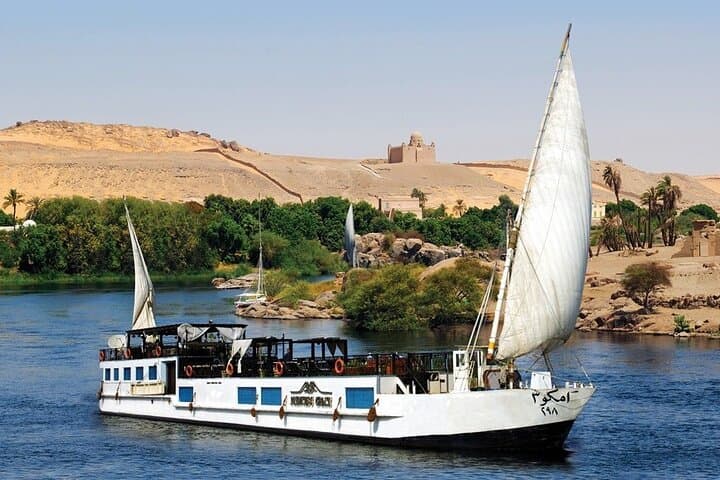
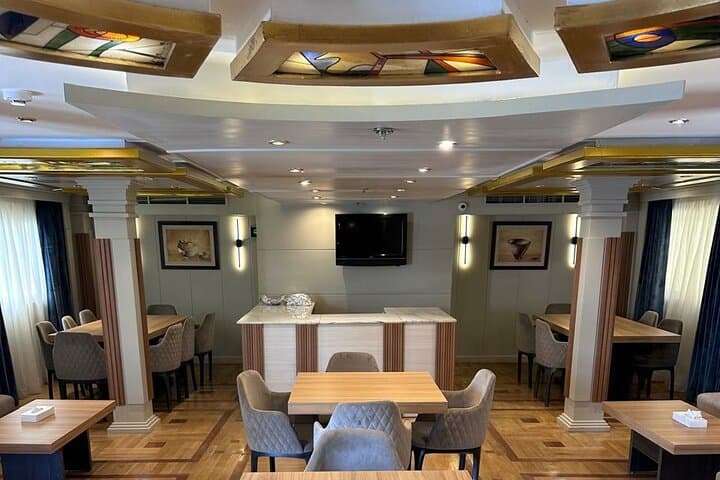
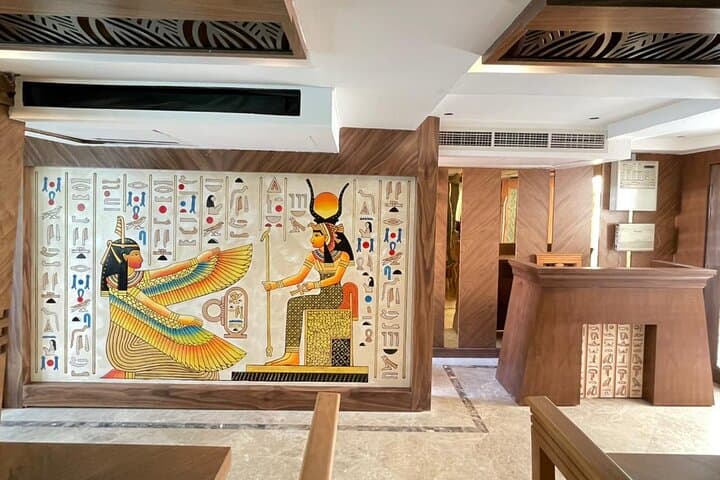
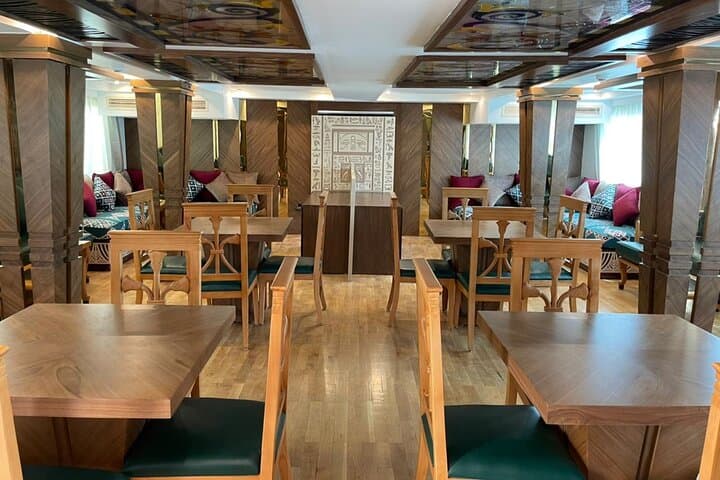
Morning light slices across the Nile and the Merit Dahabiya swings gently at its mooring in Luxor. Guests step aboard a low-profile, sail-style dahabiya where there is no engine hum to distract from the river’s slow pace; palm-fringed banks slide by like pages. Days are spent ashore at temples and islands, evenings at the rail with tea and the vast desert dark beyond the lights of the boat.
Morning light slices across the Nile and the Merit Dahabiya swings gently at its mooring in Luxor. Guests step aboard a low-profile, sail-style dahabiya where there is no engine hum to distract from the river’s slow pace; palm-fringed banks slide by like pages. Days are spent ashore at temples and islands, evenings at the rail with tea and the vast desert dark beyond the lights of the boat.
This route threads Egypt’s most storied sites: Karnak and Luxor temples, the Valley of the Kings, Edfu and Kom Ombo, and Philae near Aswan. Geology here is visible — sandstone cliffs, quarried limestone ledges at Gebel el Silsila, and fertile Nile floodplain soils that sustained millennia of civilization. The dahabiya itinerary reflects local travel culture: intimate groups, English-speaking guides, and access to small islands like Al Ramady and Hor Diab that larger ships cannot reach.
Practicalities are straightforward. Expect four nights aboard with shore excursions each day; most walking is on uneven ancient stone and temple steps. Temperatures vary sharply between daytime sun and cooler nights on deck; sun protection and layered clothing are essential. Bring sturdy walking shoes for ruins, a refillable water bottle, and modest clothing for temple visits. Onboard, cabins are air-conditioned with private baths and most meals are included; the pace favors relaxation and short guided walks rather than long hikes.
For travelers who want history without crowds, the Merit dahabiya provides an undistracted way to experience the Nile: slow waters, temple silhouettes at sunrise, and islands that dare you to step ashore and explore.