THE ADVENTURE COLLECTIVE® · Independent discovery and booking for outdoor travel

Spend four focused hours inside the Forbidden City with a guided small group, story-driven stops at major halls, and all entrance fees included. Ideal for travelers who want historical context, manageable pacing, and an option to finish with Jingshan Park views.
Spend four focused hours inside the Forbidden City with a guided small group, story-driven stops at major halls, and all entrance fees included. Ideal for travelers who want historical context, manageable pacing, and an option to finish with Jingshan Park views.
You step through the travel-agency passage and the city’s rhythm changes: stone courtyards expand, roofs tier like folded fans, and the scale of imperial design presses gently against the sky. This four-hour, small-group walk moves from open plazas into timber halls where lacquer and dragon motifs hold court. Guides stop for concentrated “story time,” pairing architectural detail with the human dramas of the Ming and Qing courts.
Verified experiences and guided adventures in the surrounding area.
Operated by Discover Beijing Tours · Beijing, Beijing
You step through the travel-agency passage and the city’s rhythm changes: stone courtyards expand, roofs tier like folded fans, and the scale of imperial design presses gently against the sky. This four-hour, small-group walk moves from open plazas into timber halls where lacquer and dragon motifs hold court. Guides stop for concentrated “story time,” pairing architectural detail with the human dramas of the Ming and Qing courts.
The Forbidden City occupies the old imperial axis of Beijing; its wooden halls, carved balustrades, and the north-facing Imperial Garden reflect centuries of court ritual. The artificial hill to the north, Jingshan, was built from the earth excavated to create the palace moat — an urban landmark that gives one of the clearest vantage points over the complex.
Culturally the site is both museum and monument: strict ticketing, regulated visitor flows, and conservation-conscious routes protect delicate interiors. Expect measured pacing—stops at the Hall of Supreme Harmony, inner living quarters, and curated museum rooms that house Ming and Qing artifacts.
Practicalities shape the experience. Bring the passport used at booking; security checks are thorough and Tiananmen Square access may be restricted on short notice. Wear supportive shoes for stone thresholds and steep staircases, and carry water—the tour covers several kilometers of walking with limited shade in summer. Morning or late-afternoon departures reduce crowds and heavy sun. Guides will end at the Imperial Garden or Jingshan Park depending on your option, leaving time to continue independently. For travelers who want depth with manageable pace, this small-group format balances context, access, and the freedom to explore afterwards.
moderate.
3–4 hours.
Moderate walking fitness—able to stand and walk for several hours and climb stairs; not suitable for those with major mobility restrictions.
Yes—your passport (the same one used at booking) is required at check-in and for Palace Museum entry; without it you may be refused.
Infants can use strollers, but the site includes many staircases and uneven ground—family members should be prepared to carry children in some areas.
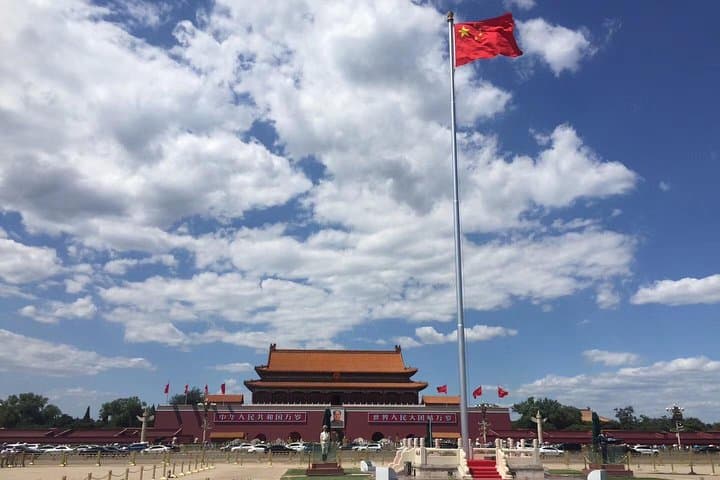
If the Square is closed by authorities the itinerary will skip it and proceed directly to the Forbidden City; no refund is offered for skipped free-access sites.
Yes—you may book the entry-ticket-only option and explore at your own pace without a guide; this option does not include guided commentary.
The Forbidden City served as the imperial palace for the Ming and Qing dynasties (1368–1912) and remains the core of China’s Palace Museum collection.
Visitor limits and timed tickets help protect fragile wooden structures and interior artifacts; follow guide instructions and avoid touching displays to reduce wear.
Discover Beijing Tours operates guided outdoor trips and adventures with an emphasis on safety, stewardship, and memorable experiences.
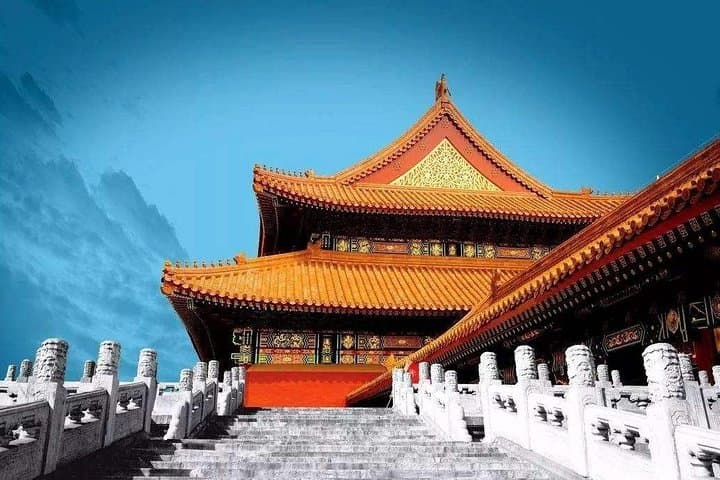
You step through the travel-agency passage and the city’s rhythm changes: stone courtyards expand, roofs tier like folded fans, and the scale of imperial design presses gently against the sky. This four-hour, small-group walk moves from open plazas into timber halls where lacquer and dragon motifs hold court. Guides stop for concentrated “story time,” pairing architectural detail with the human dramas of the Ming and Qing courts.
You step through the travel-agency passage and the city’s rhythm changes: stone courtyards expand, roofs tier like folded fans, and the scale of imperial design presses gently against the sky. This four-hour, small-group walk moves from open plazas into timber halls where lacquer and dragon motifs hold court. Guides stop for concentrated “story time,” pairing architectural detail with the human dramas of the Ming and Qing courts.
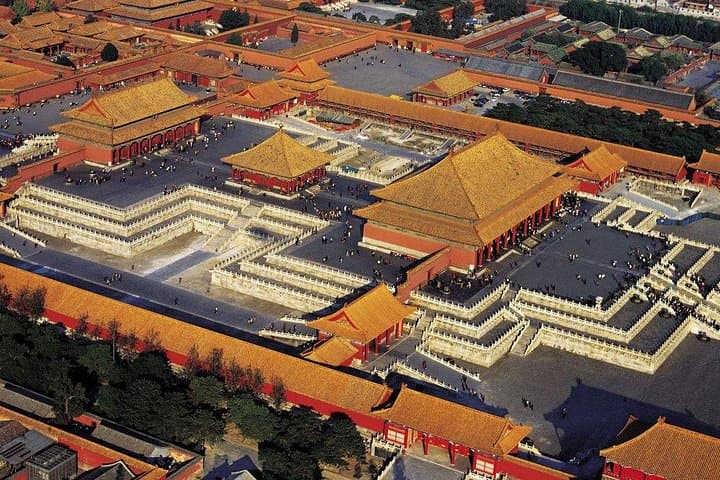
The Forbidden City occupies the old imperial axis of Beijing; its wooden halls, carved balustrades, and the north-facing Imperial Garden reflect centuries of court ritual. The artificial hill to the north, Jingshan, was built from the earth excavated to create the palace moat — an urban landmark that gives one of the clearest vantage points over the complex.
Culturally the site is both museum and monument: strict ticketing, regulated visitor flows, and conservation-conscious routes protect delicate interiors. Expect measured pacing—stops at the Hall of Supreme Harmony, inner living quarters, and curated museum rooms that house Ming and Qing artifacts.
Practicalities shape the experience. Bring the passport used at booking; security checks are thorough and Tiananmen Square access may be restricted on short notice. Wear supportive shoes for stone thresholds and steep staircases, and carry water—the tour covers several kilometers of walking with limited shade in summer. Morning or late-afternoon departures reduce crowds and heavy sun. Guides will end at the Imperial Garden or Jingshan Park depending on your option, leaving time to continue independently. For travelers who want depth with manageable pace, this small-group format balances context, access, and the freedom to explore afterwards.