THE ADVENTURE COLLECTIVE® · Independent discovery and booking for outdoor travel

Explore Tokyo’s electric night neighborhoods on a private four-hour walk through Shibuya and Shinjuku. See landmark sights, taste alleyway food, and get local tips for the best late-night spots.
Explore Tokyo’s electric night neighborhoods on a private four-hour walk through Shibuya and Shinjuku. See landmark sights, taste alleyway food, and get local tips for the best late-night spots.
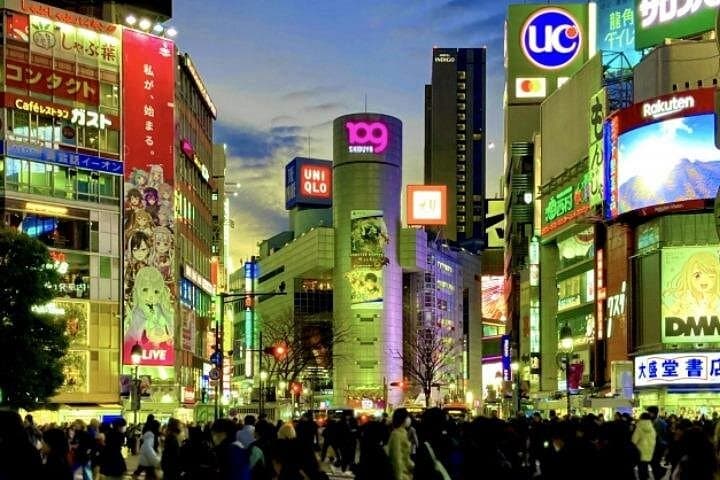
Neon reflects off wet pavement as the crowd at Shibuya Scramble disperses into side streets; a guide threads the group toward the Hachiko statue and the first story they’ll tell—an urban legend of loyalty that anchors the neighborhood.
Verified experiences and guided adventures in the surrounding area.
Operated by Reelu inc · Tokyo, Tokyo
Neon reflects off wet pavement as the crowd at Shibuya Scramble disperses into side streets; a guide threads the group toward the Hachiko statue and the first story they’ll tell—an urban legend of loyalty that anchors the neighborhood.
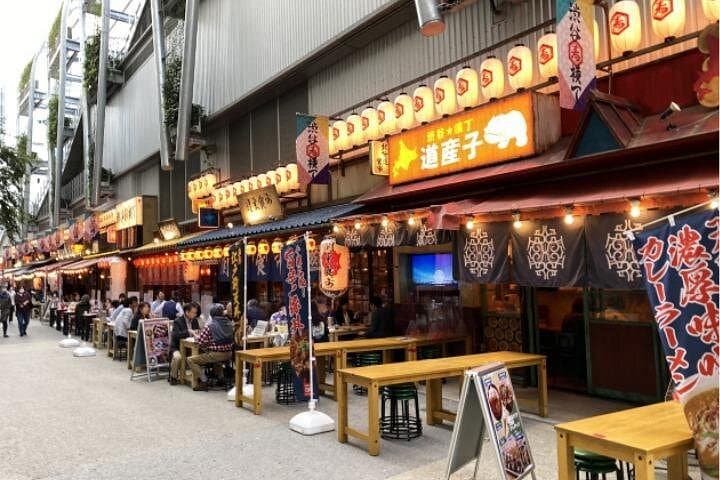
The walk moves from Shibuya’s high-rise observation decks and rooftop gardens to the compact alleys of Shibuya Yokocho, then on a short train ride to Shinjuku’s layered nightlife. Along the way history appears in contrasts: Hanazono Shrine’s wooden gates lit against glass towers, and Golden Gai’s tiny bars that grew from post-war black markets into pockets of cultural memory.
Tokyo’s setting—an alluvial plain at the edge of the Kanto lowlands—gave rise to dense, walkable neighborhoods rather than sprawling boulevards. That urban geology shaped how people gather after dark: food courts and izakayas tucked into vertical towers, narrow alleys that prioritize foot traffic, and rooftops that claim skyline views.
Practical guidance: wear comfortable shoes for 2–3 miles of mostly flat city walking, plan to follow transit etiquette when taking the train between districts, and keep small bills for street snacks. Bring a compact umbrella in seasonally rainy months and carry a charged phone—the guide takes photos and can help with translations or menu ordering.
This private evening tour balances iconic views with local color, offering both orientation for first-time visitors and immediate ideas for where to return later in the night.
easy.
4 hours.
Suitable for most fitness levels; requires steady walking and standing for short periods
The tour is private for your booking party, so group size is limited to those included in your reservation.
Meals are not included; the guide will point out recommended izakaya and street-food stalls where you can buy snacks or dinner.
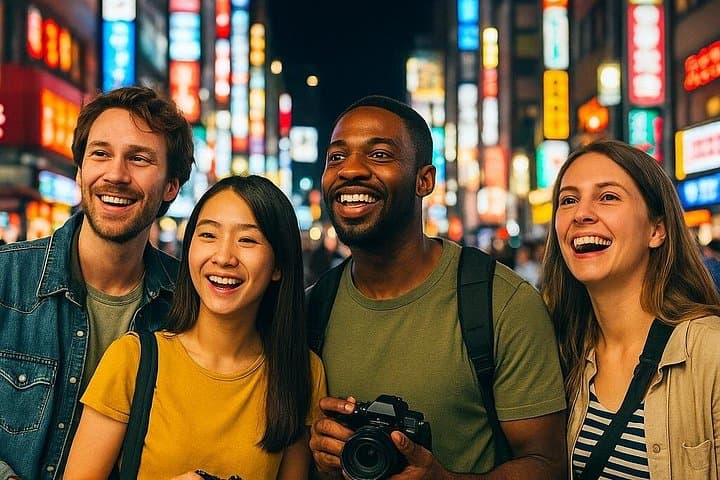
Yes—photo-taking by the guide is included, and they’ll help capture group shots at key viewpoints.
The itinerary notes wheelchair and stroller accessibility where feasible, though some narrow alleys and stairs in older areas may limit access.
The Hachiko statue commemorates an Akita dog famous for waiting at Shibuya Station for his owner; Golden Gai evolved from post-war market stalls into tiny themed bars that attracted artists and writers.
Be mindful of noise and litter in residential blocks—Tokyo neighborhoods are busy at night but residents value quiet after hours; use public bins sparingly and pack out trash when none are available.
Reelu inc operates guided outdoor trips and adventures with an emphasis on safety, stewardship, and memorable experiences.

Neon reflects off wet pavement as the crowd at Shibuya Scramble disperses into side streets; a guide threads the group toward the Hachiko statue and the first story they’ll tell—an urban legend of loyalty that anchors the neighborhood.
Neon reflects off wet pavement as the crowd at Shibuya Scramble disperses into side streets; a guide threads the group toward the Hachiko statue and the first story they’ll tell—an urban legend of loyalty that anchors the neighborhood.
The walk moves from Shibuya’s high-rise observation decks and rooftop gardens to the compact alleys of Shibuya Yokocho, then on a short train ride to Shinjuku’s layered nightlife. Along the way history appears in contrasts: Hanazono Shrine’s wooden gates lit against glass towers, and Golden Gai’s tiny bars that grew from post-war black markets into pockets of cultural memory.
Tokyo’s setting—an alluvial plain at the edge of the Kanto lowlands—gave rise to dense, walkable neighborhoods rather than sprawling boulevards. That urban geology shaped how people gather after dark: food courts and izakayas tucked into vertical towers, narrow alleys that prioritize foot traffic, and rooftops that claim skyline views.
Practical guidance: wear comfortable shoes for 2–3 miles of mostly flat city walking, plan to follow transit etiquette when taking the train between districts, and keep small bills for street snacks. Bring a compact umbrella in seasonally rainy months and carry a charged phone—the guide takes photos and can help with translations or menu ordering.
This private evening tour balances iconic views with local color, offering both orientation for first-time visitors and immediate ideas for where to return later in the night.