THE ADVENTURE COLLECTIVE® · Independent discovery and booking for outdoor travel

Use a long layover at Incheon to stand on the rooftop of Odusan Unification Observatory and peer a few kilometers across the DMZ. This focused four-hour tour pairs a guided observatory visit with a stop at Imjingak Peace Park to unpack the history and human stories of the Korean border.
Use a long layover at Incheon to stand on the rooftop of Odusan Unification Observatory and peer a few kilometers across the DMZ. This focused four-hour tour pairs a guided observatory visit with a stop at Imjingak Peace Park to unpack the history and human stories of the Korean border.
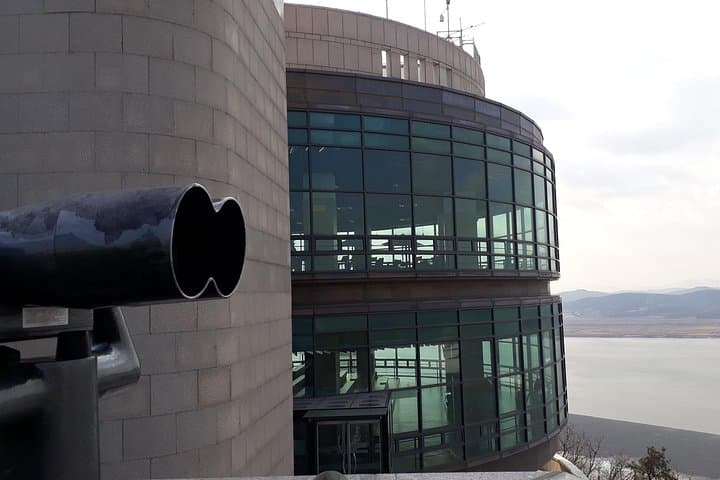
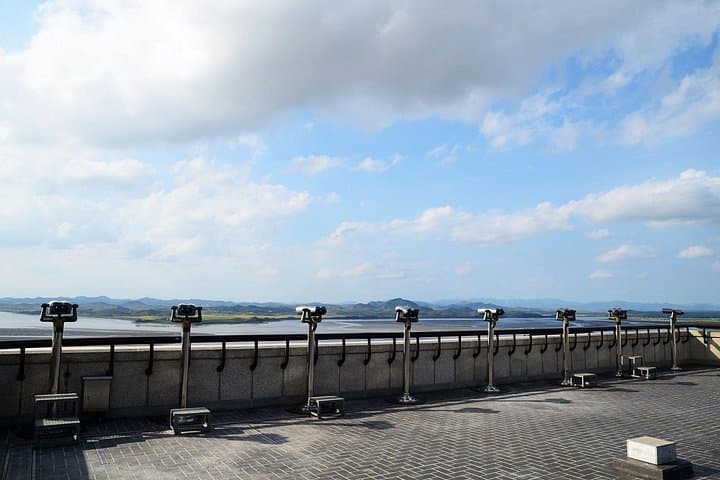
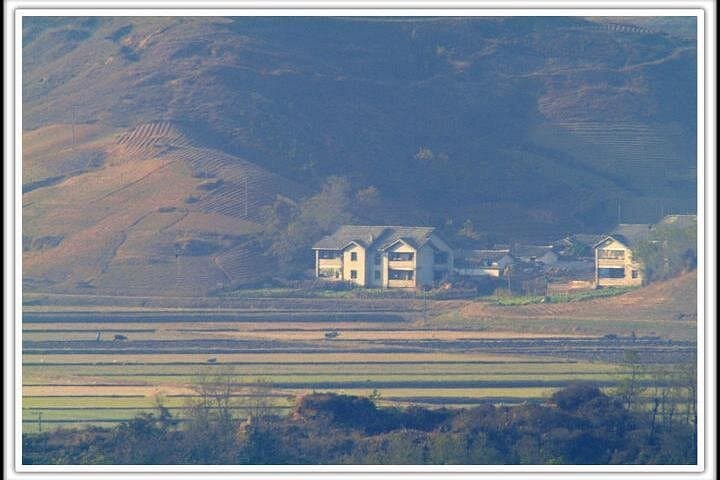
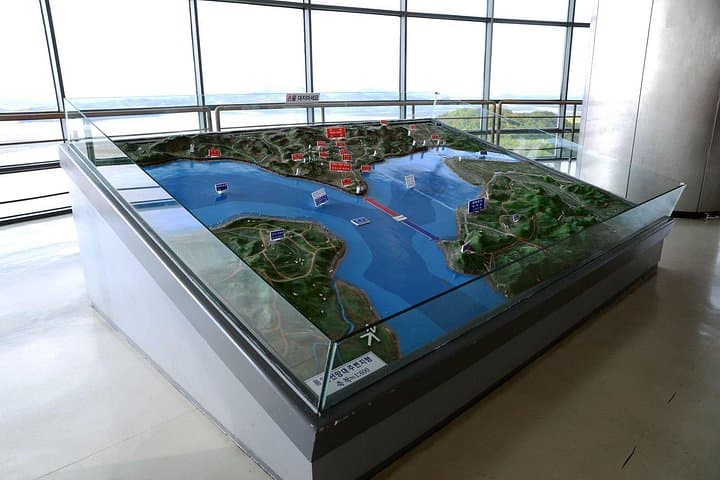
You step out of Incheon’s controlled light and into a ribbon of highway that pulls north toward the Han River — in four hours you can stand on a rooftop and watch a foreign town across a river, its fields and buildings moving like a distant model. The Odusan Unification Observatory perches where the Han and Imjin rivers meet, its rooftop telescopes framing a view only a few kilometers into North Korea: schoolyards, propaganda billboards and the slow motion of daily life under a closed border.
Verified experiences and guided adventures in the surrounding area.
Operated by Joy Tour Korea · Paju, Gyeonggi-do
You step out of Incheon’s controlled light and into a ribbon of highway that pulls north toward the Han River — in four hours you can stand on a rooftop and watch a foreign town across a river, its fields and buildings moving like a distant model. The Odusan Unification Observatory perches where the Han and Imjin rivers meet, its rooftop telescopes framing a view only a few kilometers into North Korea: schoolyards, propaganda billboards and the slow motion of daily life under a closed border.
The route itself is geography and history in short: river terraces worn by seasonal floods, levees that marked strategic crossings in the 1950–53 Korean War, and Imjingak Peace Park’s Freedom Bridge—where repatriated POWs once walked home. Together the sites explain a modern border shaped by military logistics, Cold War politics and local resilience.
Visitors should expect a concise, guided experience: a short exhibition and film, a rooftop viewing period with telescopes, and a quick stop at Imjingak if time allows. Photography is generally allowed from public observation points, but follow guide instructions near military zones. Weather dictates visibility; haze or rain can obscure views.
Practical notes: plan for 4 hours minimum door-to-door from Incheon, carry passport and any layover documentation, and keep luggage and timing tight—traffic and airport re-entry protocols determine whether this quick window becomes a meaningful glimpse or a rushed photo stop. For travelers with a long layover, this tour is a focused, education-first way to see the closest living edge of the Korean divide.
easy.
4 hours.
Suitable for most travelers who can walk short distances and climb a few steps; minimal fitness required.
The tour requires roughly four hours door-to-door from Incheon; allow extra time for airport security and boarding—shorter layovers are not recommended.
Photography from public observation points is generally allowed, but follow your guide’s instructions near military zones and avoid photographing soldiers or restricted facilities.
No, the tour stays on the South Korean side; however, you must carry valid passport and any required entry documents for re-entry to your onward flight.
Yes — the observatory and transport options are described as wheelchair accessible, but confirm accessibility needs when booking.
The observatory and Imjingak occupy sites shaped by the Korean War and subsequent armistice; Freedom Bridge was a key repatriation route for POWs and remains a symbol of the divided peninsula.
River corridors here are managed for flood control and habitat; visitors should stick to paths and avoid disturbing wetland vegetation to protect migratory birds.
Joy Tour Korea operates guided outdoor trips and adventures with an emphasis on safety, stewardship, and memorable experiences.
You step out of Incheon’s controlled light and into a ribbon of highway that pulls north toward the Han River — in four hours you can stand on a rooftop and watch a foreign town across a river, its fields and buildings moving like a distant model. The Odusan Unification Observatory perches where the Han and Imjin rivers meet, its rooftop telescopes framing a view only a few kilometers into North Korea: schoolyards, propaganda billboards and the slow motion of daily life under a closed border.
You step out of Incheon’s controlled light and into a ribbon of highway that pulls north toward the Han River — in four hours you can stand on a rooftop and watch a foreign town across a river, its fields and buildings moving like a distant model. The Odusan Unification Observatory perches where the Han and Imjin rivers meet, its rooftop telescopes framing a view only a few kilometers into North Korea: schoolyards, propaganda billboards and the slow motion of daily life under a closed border.
The route itself is geography and history in short: river terraces worn by seasonal floods, levees that marked strategic crossings in the 1950–53 Korean War, and Imjingak Peace Park’s Freedom Bridge—where repatriated POWs once walked home. Together the sites explain a modern border shaped by military logistics, Cold War politics and local resilience.
Visitors should expect a concise, guided experience: a short exhibition and film, a rooftop viewing period with telescopes, and a quick stop at Imjingak if time allows. Photography is generally allowed from public observation points, but follow guide instructions near military zones. Weather dictates visibility; haze or rain can obscure views.
Practical notes: plan for 4 hours minimum door-to-door from Incheon, carry passport and any layover documentation, and keep luggage and timing tight—traffic and airport re-entry protocols determine whether this quick window becomes a meaningful glimpse or a rushed photo stop. For travelers with a long layover, this tour is a focused, education-first way to see the closest living edge of the Korean divide.