THE ADVENTURE COLLECTIVE® · Independent discovery and booking for outdoor travel

Spend four hours snowshoeing at the base of the Grand Tetons with a naturalist guide who interprets tracks, winter ecology and regional geology. This small-group outing provides gear, snacks and a customizable pace ideal for newcomers.
Spend four hours snowshoeing at the base of the Grand Tetons with a naturalist guide who interprets tracks, winter ecology and regional geology. This small-group outing provides gear, snacks and a customizable pace ideal for newcomers.
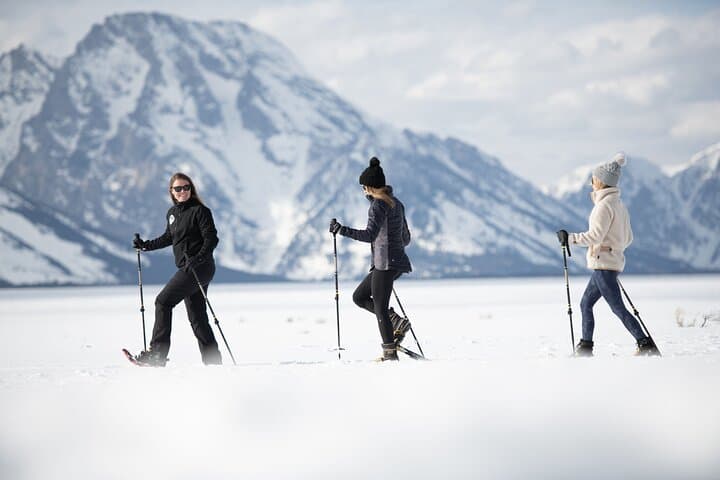
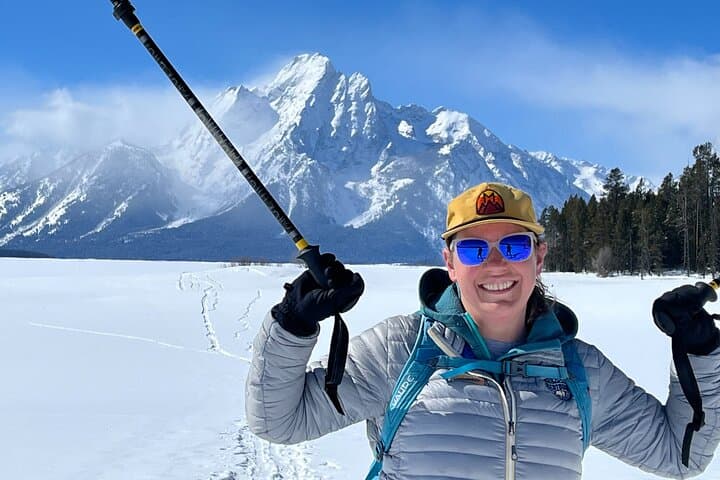
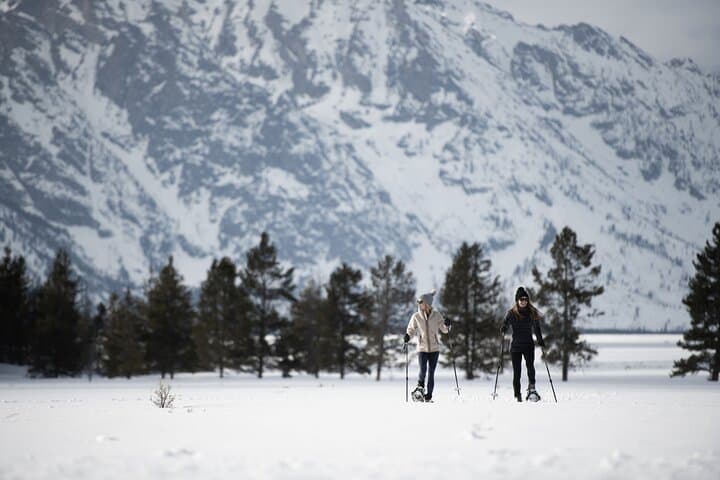
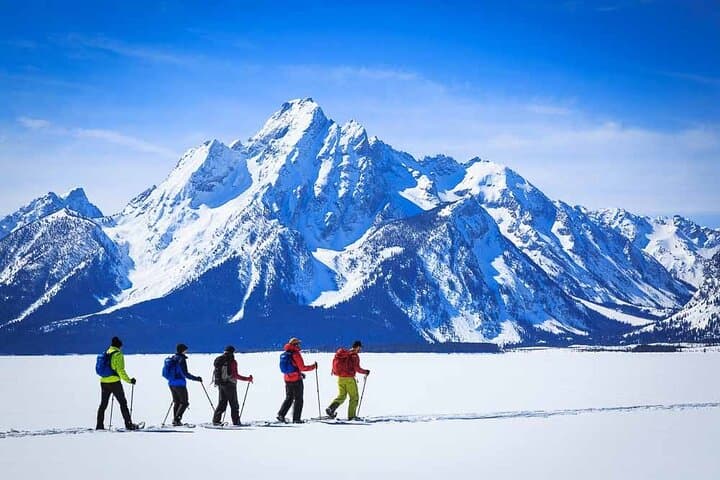
Snow is silent until you move through it: each step compresses a thin white crust, then exhales a soft puff as the Grand Tetons loom, gray and wind-swept, over a breakfast of long shadows. Your naturalist guide sets the pace, pausing to point out a booted track, a willow twig freckled with frost, and a line where a glacier once gouged the valley.
Verified experiences and guided adventures in the surrounding area.
Operated by Jackson Hole Eco Tour Adventures · Jackson, Wyoming
Snow is silent until you move through it: each step compresses a thin white crust, then exhales a soft puff as the Grand Tetons loom, gray and wind-swept, over a breakfast of long shadows. Your naturalist guide sets the pace, pausing to point out a booted track, a willow twig freckled with frost, and a line where a glacier once gouged the valley.
The Tetons themselves are young mountains—tectonic uplift sliced by Pleistocene ice—creating steep faces and broad glacial basins. Winter amplifies that geology: cirques and moraines frame open meadows that wintering ungulates favor. The human story here runs from Shoshone stewardship through 19th-century Mormon homesteads on nearby Mormon Row; guides often point out old fence lines and stone foundations while interpreting seasonal habitat and snow science.
Expect a half-day outing of roughly 3–5 miles with modest rolling elevation (200–600 ft gain depending on route). Terrain alternates open flats, forest groves, and occasional wind-scoured ridgelines; conditions vary from packed trails to fresh powder. The outfitter supplies snowshoes, poles, gaiters, water and snacks—bring layered clothing, sunglasses, sunscreen, and sturdy insulated boots. Keep your camera handy but stay present: the guide will read tracks, explain winter ecology, and adapt pace to the group.
Practical notes: meet at the Home Ranch Welcome Center in Jackson, tours run in small groups (max 7), and private options are available for families with young children. In winter, dress for subfreezing temps and short, bright daylight; avoid disturbing wildlife and follow your guide’s route to minimize ecological impact.
easy.
4 hours.
Suitable for most people who can walk for several hours; expect repeated short uphill sections in snow.
The tour includes a guided snowshoe route, snowshoes, poles, gaiters, bottled water, snacks, and interpretive commentary from a naturalist guide.
Meet at the Home Ranch Welcome Center, 210 N. Cache Street in downtown Jackson; the outing is a fixed 4-hour program.
Children can join group tours, but families with children aged 8 and under are asked to book a private tour for comfort and flexibility.
The operator may cancel for heavy storms or unsafe conditions with full refund if canceled at least 24 hours before the scheduled departure.
The valley carries evidence of Shoshone seasonal use and later Euro-American homesteading—stone foundations and fencing near Mormon Row are common interpretive stops.
Winter is a high-stress season for wildlife; stay on guide-directed routes, minimize noise, and pack out all waste to reduce impact.
Jackson Hole Eco Tour Adventures operates guided outdoor trips and adventures with an emphasis on safety, stewardship, and memorable experiences.
Snow is silent until you move through it: each step compresses a thin white crust, then exhales a soft puff as the Grand Tetons loom, gray and wind-swept, over a breakfast of long shadows. Your naturalist guide sets the pace, pausing to point out a booted track, a willow twig freckled with frost, and a line where a glacier once gouged the valley.
Snow is silent until you move through it: each step compresses a thin white crust, then exhales a soft puff as the Grand Tetons loom, gray and wind-swept, over a breakfast of long shadows. Your naturalist guide sets the pace, pausing to point out a booted track, a willow twig freckled with frost, and a line where a glacier once gouged the valley.
The Tetons themselves are young mountains—tectonic uplift sliced by Pleistocene ice—creating steep faces and broad glacial basins. Winter amplifies that geology: cirques and moraines frame open meadows that wintering ungulates favor. The human story here runs from Shoshone stewardship through 19th-century Mormon homesteads on nearby Mormon Row; guides often point out old fence lines and stone foundations while interpreting seasonal habitat and snow science.
Expect a half-day outing of roughly 3–5 miles with modest rolling elevation (200–600 ft gain depending on route). Terrain alternates open flats, forest groves, and occasional wind-scoured ridgelines; conditions vary from packed trails to fresh powder. The outfitter supplies snowshoes, poles, gaiters, water and snacks—bring layered clothing, sunglasses, sunscreen, and sturdy insulated boots. Keep your camera handy but stay present: the guide will read tracks, explain winter ecology, and adapt pace to the group.
Practical notes: meet at the Home Ranch Welcome Center in Jackson, tours run in small groups (max 7), and private options are available for families with young children. In winter, dress for subfreezing temps and short, bright daylight; avoid disturbing wildlife and follow your guide’s route to minimize ecological impact.