THE ADVENTURE COLLECTIVE® · Independent discovery and booking for outdoor travel

A brisk four-day private trek from Pokhara to Poon Hill and Ghandruk delivers sunrise views of the Annapurna massif, dense rhododendron forests and immersive Gurung village life. Comfortable teahouses, manageable daily hikes, and a private guide make this a high-reward introduction to Himalayan trekking.
A brisk four-day private trek from Pokhara to Poon Hill and Ghandruk delivers sunrise views of the Annapurna massif, dense rhododendron forests and immersive Gurung village life. Comfortable teahouses, manageable daily hikes, and a private guide make this a high-reward introduction to Himalayan trekking.
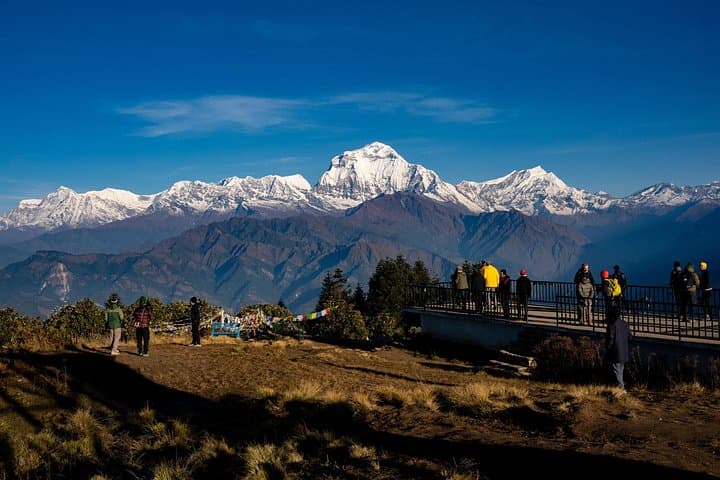
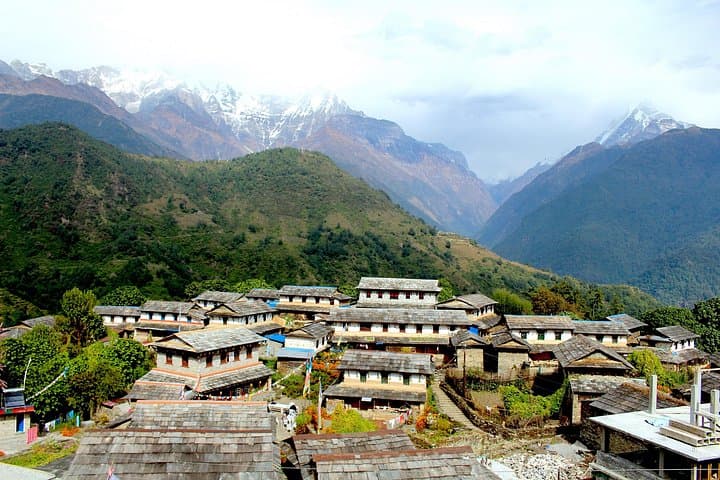
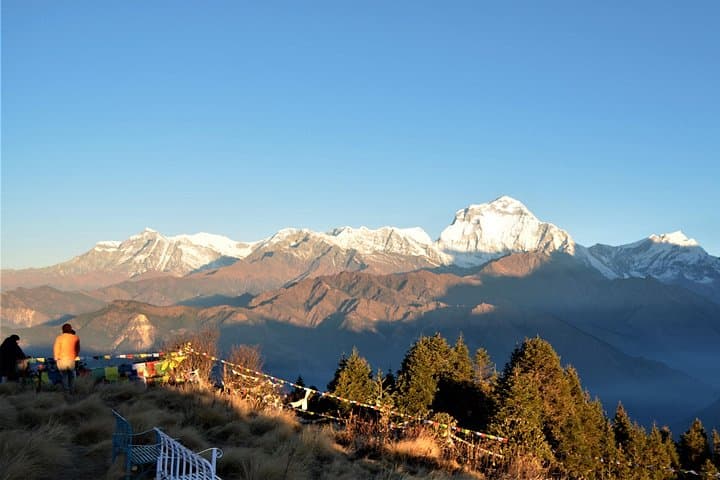
Pre-dawn at Poon Hill is a study in contrast: cold air bites the face, headlamps wink off, and peaks older than recorded history begin to absorb light. The Annapurna range unfolds like a living map — Dhaulagiri, Annapurna I and the pointed Machhapuchhre taking turns catching the first color. Trails thread through thick rhododendron forest, switchbacks of stone steps, and small villages where slate roofs and terraced rice paddies puncture the green.
Verified experiences and guided adventures in the surrounding area.
Operated by North Nepal Treks · Pokhara, Gandaki Province
Pre-dawn at Poon Hill is a study in contrast: cold air bites the face, headlamps wink off, and peaks older than recorded history begin to absorb light. The Annapurna range unfolds like a living map — Dhaulagiri, Annapurna I and the pointed Machhapuchhre taking turns catching the first color. Trails thread through thick rhododendron forest, switchbacks of stone steps, and small villages where slate roofs and terraced rice paddies puncture the green.
This short, private trek traces centuries of mountain trade and Gurung culture. The Himalaya here are young, tectonically thrust and carved by glaciers, which leave steep ridgelines and deep valleys that amplify the sunrise display. Ghandruk’s museum and households preserve Gurung dress, tools and oral histories; Ulleri and Ghorepani grew from seasonal shepherding paths into teahouse hubs for trekkers.
Expect full days of steady uphill walking — Ulleri (2,155 m) to Ghorepani (2,845 m) and Tadapani (2,630 m) — with 4 days total on trail and nightly teahouse lodging. Terrain alternates packed dirt, stone staircases, and muddy stretches after rain. Guides handle permits (ACAP/TIMS) and logistics, leaving you to focus on pacing, hydration and the slow reveal of the mountains. Aim to reach Poon Hill before sunrise, layer for wind and cold at dawn, and save energy for the descent into Ghandruk and the jeep ride back to Pokhara. This trek is compact but richly rewarding — mountain panoramas, rhododendron blooms in spring, and close encounters with local village life.
moderate.
4 days.
Suitable for reasonably fit travelers who can hike 4–6 hours on uneven trails and handle sustained elevation changes.
Yes — Annapurna Conservation Area Project (ACAP) and a TIMS permit are required; guides typically arrange these before departure.
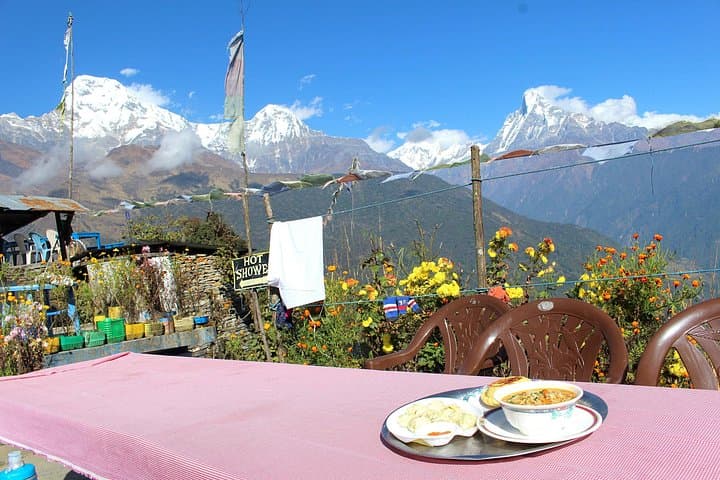
Teahouses provide basic private rooms, shared or private toilets (often squat), hot meals and limited charging; bring a small towel and cash for extras.
Ghorepani reaches about 2,845 m; while not extreme, monitor symptoms, maintain hydration and communicate with your guide about any breathing or headache issues.
Spring (March–May) and fall (September–November) offer the clearest mountain views and blooming rhododendrons; monsoon and winter are less predictable.
The Ghorepani–Ghandruk route grew from mule tracks used by local traders and shepherds; Gurung communities here have long maintained distinct culture and military traditions.
This trek passes through the Annapurna Conservation Area — stick to marked trails, avoid single-use plastics, and respect local water and wood resources to limit impact.
North Nepal Treks operates guided outdoor trips and adventures with an emphasis on safety, stewardship, and memorable experiences.
Pre-dawn at Poon Hill is a study in contrast: cold air bites the face, headlamps wink off, and peaks older than recorded history begin to absorb light. The Annapurna range unfolds like a living map — Dhaulagiri, Annapurna I and the pointed Machhapuchhre taking turns catching the first color. Trails thread through thick rhododendron forest, switchbacks of stone steps, and small villages where slate roofs and terraced rice paddies puncture the green.
Pre-dawn at Poon Hill is a study in contrast: cold air bites the face, headlamps wink off, and peaks older than recorded history begin to absorb light. The Annapurna range unfolds like a living map — Dhaulagiri, Annapurna I and the pointed Machhapuchhre taking turns catching the first color. Trails thread through thick rhododendron forest, switchbacks of stone steps, and small villages where slate roofs and terraced rice paddies puncture the green.
This short, private trek traces centuries of mountain trade and Gurung culture. The Himalaya here are young, tectonically thrust and carved by glaciers, which leave steep ridgelines and deep valleys that amplify the sunrise display. Ghandruk’s museum and households preserve Gurung dress, tools and oral histories; Ulleri and Ghorepani grew from seasonal shepherding paths into teahouse hubs for trekkers.
Expect full days of steady uphill walking — Ulleri (2,155 m) to Ghorepani (2,845 m) and Tadapani (2,630 m) — with 4 days total on trail and nightly teahouse lodging. Terrain alternates packed dirt, stone staircases, and muddy stretches after rain. Guides handle permits (ACAP/TIMS) and logistics, leaving you to focus on pacing, hydration and the slow reveal of the mountains. Aim to reach Poon Hill before sunrise, layer for wind and cold at dawn, and save energy for the descent into Ghandruk and the jeep ride back to Pokhara. This trek is compact but richly rewarding — mountain panoramas, rhododendron blooms in spring, and close encounters with local village life.