THE ADVENTURE COLLECTIVE® · Independent discovery and booking for outdoor travel

Combine three nights in Lalibela’s rock‑hewn‑church district with a full‑day trek to Hudad, a highland ridge at 3,300 m. This 4‑day private tour balances cultural immersion — ancient churches and a cave chapel — with moderate mountain hiking and wildlife viewing.
Combine three nights in Lalibela’s rock‑hewn‑church district with a full‑day trek to Hudad, a highland ridge at 3,300 m. This 4‑day private tour balances cultural immersion — ancient churches and a cave chapel — with moderate mountain hiking and wildlife viewing.
You arrive as the highland air cools and the first stone roofs catch light—Lalibela sits on a plateau roughly 2,500–2,600 m above sea level, its narrow lanes guiding you toward carved doorways and distant ridgelines.
Verified experiences and guided adventures in the surrounding area.
Operated by Zagol Ethiopia Tours · Lalibela, Amhara
You arrive as the highland air cools and the first stone roofs catch light—Lalibela sits on a plateau roughly 2,500–2,600 m above sea level, its narrow lanes guiding you toward carved doorways and distant ridgelines.
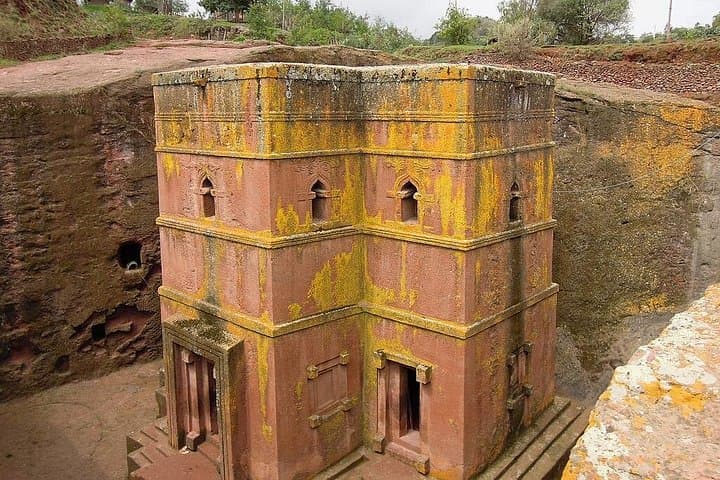
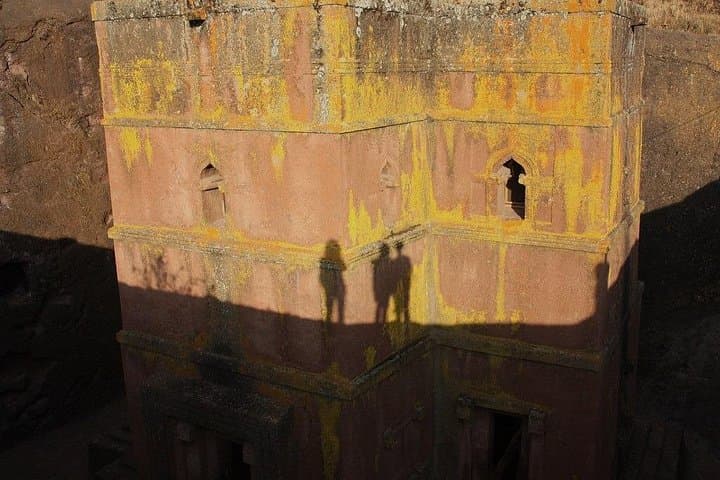
The town’s signature draw is immediate: 12th‑century rock‑hewn churches cut from living rock under the Zagwe kings, their interiors dim and cool, floors worn by centuries of worship. On this four‑day loop you pair that architectural intimacy with a day trek to Hudad — “Big Farm” — a high ridge that King Lalibela himself once visited. The hike rises to about 3,300 m, gaining roughly 700–800 m from the town plateau, following dirt tracks, village paths and occasional rocky steps.
Geology here is literal: volcanic tufas and compacted ignimbrite allowed medieval masons to carve top‑down monoliths and channels. Culture is tactile — coffee ceremonies, open kitchens and a living countryside where livestock graze on terraced slopes. Yemrehanna Kristos, a cave church north of town founded in the 11th century, underlines the region’s long continuity of sacred architecture.
Practical guidance: expect a one‑way walk up to 2.5 hours on the Hudad day, with steep sections and loose rock; bring sun protection, layered clothing for temperature swings, and at least 2 liters of water. Allow time to acclimatize to altitude and to move respectfully through churches (modest dress, quiet, limited photography in some spaces). Local guides manage logistics and village introductions — tip them and carry small change for remote purchases.
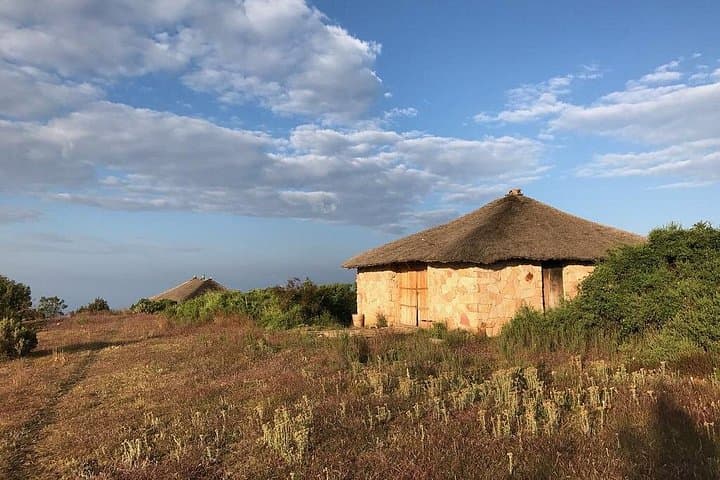
This itinerary blends cultural depth with hands‑on trekking: mornings inside cool, carved sanctuaries; afternoons when the plateau and sky push the view outward, and the Gelada troops watch you move across their ridge.
moderate.
4 days.
Comfortable with sustained uphill walking and uneven terrain; good cardiovascular fitness and basic hiking experience recommended
The uphill hike to Hudad takes up to 2.5 hours one way with some steep sections and loose rock; overall it’s moderate but requires steady pace and basic fitness.
Visits to major rock‑hewn churches are included on the itinerary but photography rules vary—always follow the guide and respect signs and worshippers.
Symptoms are possible above 2,500 m; hydrate, eat well, ascend slowly and notify your guide if you feel unwell—rest and descent are the cures.
Not recommended for travelers with spinal or serious heart conditions; village trails and church access often involve steps and uneven ground.
The main Lalibela churches were carved in the 12th century under Zagwe dynasty patronage; Yemrehanna Kristos north of town dates to the 11th century and retains ancient murals.
Trails and fragile church sites are sensitive—stay on paths, avoid litter and support local guides who invest in community stewardship.
Zagol Ethiopia Tours operates guided outdoor trips and adventures with an emphasis on safety, stewardship, and memorable experiences.
You arrive as the highland air cools and the first stone roofs catch light—Lalibela sits on a plateau roughly 2,500–2,600 m above sea level, its narrow lanes guiding you toward carved doorways and distant ridgelines.
You arrive as the highland air cools and the first stone roofs catch light—Lalibela sits on a plateau roughly 2,500–2,600 m above sea level, its narrow lanes guiding you toward carved doorways and distant ridgelines.
The town’s signature draw is immediate: 12th‑century rock‑hewn churches cut from living rock under the Zagwe kings, their interiors dim and cool, floors worn by centuries of worship. On this four‑day loop you pair that architectural intimacy with a day trek to Hudad — “Big Farm” — a high ridge that King Lalibela himself once visited. The hike rises to about 3,300 m, gaining roughly 700–800 m from the town plateau, following dirt tracks, village paths and occasional rocky steps.
Geology here is literal: volcanic tufas and compacted ignimbrite allowed medieval masons to carve top‑down monoliths and channels. Culture is tactile — coffee ceremonies, open kitchens and a living countryside where livestock graze on terraced slopes. Yemrehanna Kristos, a cave church north of town founded in the 11th century, underlines the region’s long continuity of sacred architecture.
Practical guidance: expect a one‑way walk up to 2.5 hours on the Hudad day, with steep sections and loose rock; bring sun protection, layered clothing for temperature swings, and at least 2 liters of water. Allow time to acclimatize to altitude and to move respectfully through churches (modest dress, quiet, limited photography in some spaces). Local guides manage logistics and village introductions — tip them and carry small change for remote purchases.
This itinerary blends cultural depth with hands‑on trekking: mornings inside cool, carved sanctuaries; afternoons when the plateau and sky push the view outward, and the Gelada troops watch you move across their ridge.