THE ADVENTURE COLLECTIVE® · Independent discovery and booking for outdoor travel

A four-day road and mountain tour from Guayaquil to Baños that stitches together Cajas National Park, colonial Cuenca, Chimborazo’s high refuges and Baños’ waterfalls — a mix of culture, geologic drama and high-altitude walking.
A four-day road and mountain tour from Guayaquil to Baños that stitches together Cajas National Park, colonial Cuenca, Chimborazo’s high refuges and Baños’ waterfalls — a mix of culture, geologic drama and high-altitude walking.
You leave Guayaquil’s humid heat behind as the road climbs into the high Andes; mist drapes the slopes and lagoons glint like coins stacked in a bowl. Cajas National Park greets you with Polylepis groves and peat ponds that collect the sky, then Cuenca’s colonial stone streets invite slower steps through churches and markets. Higher still, Chimborazo lifts a glacial shoulder into the clouds and Riobamba frames volcanoes that seem to watch the road.
Verified experiences and guided adventures in the surrounding area.
Operated by Polylepis Tours · Baños de Agua Santa, Tungurahua
You leave Guayaquil’s humid heat behind as the road climbs into the high Andes; mist drapes the slopes and lagoons glint like coins stacked in a bowl. Cajas National Park greets you with Polylepis groves and peat ponds that collect the sky, then Cuenca’s colonial stone streets invite slower steps through churches and markets. Higher still, Chimborazo lifts a glacial shoulder into the clouds and Riobamba frames volcanoes that seem to watch the road.
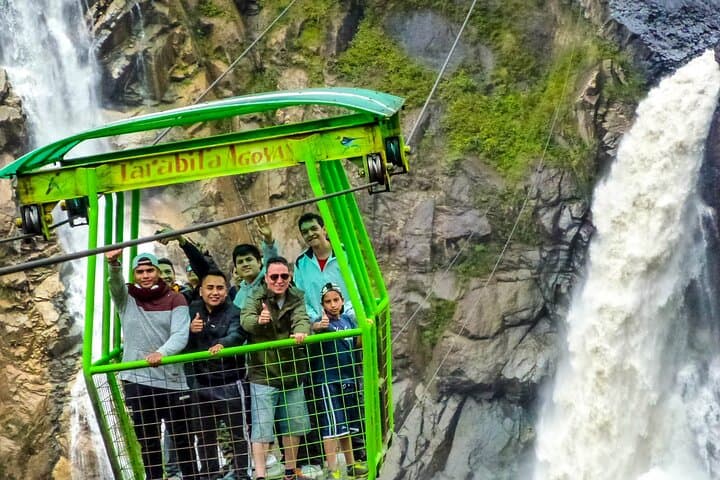
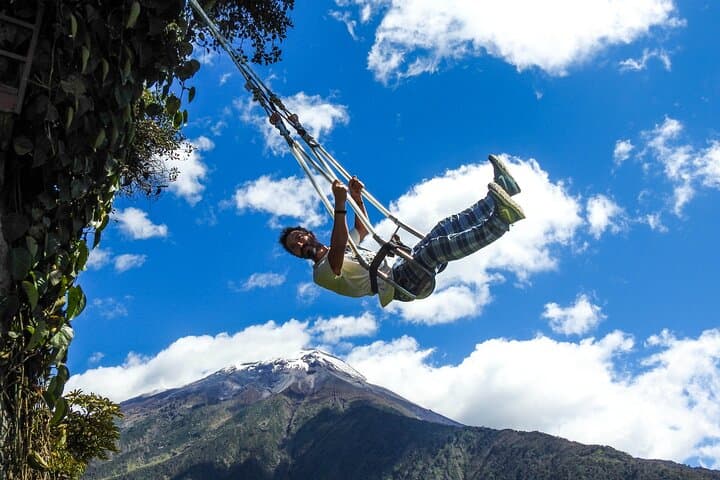
This four-day route threads Ecuador’s layers: coastal agriculture and cacao farms; Andean páramo and Polylepis woodlands shaped by ancient glaciation; Spanish colonial towns with baroque cathedrals and artisan workshops in Gualaceo and Chordeleg. Chimborazo, an eroded stratovolcano, is Ecuador’s farthest point from Earth’s center due to equatorial bulge — a geological quirk that alters how you feel at altitude. Baños finishes the tour with waterfalls that dare you toward viewpoints and the Casa del Árbol swing, where gravity becomes part of the spectacle.
Practical guidance: expect a mix of easy cultural walks and high-altitude exposure up to ~4,800 m near the Chimborazo refuge. Bring layered clothing, sunscreen, and a reusable bottle; hydrate before and during higher-elevation days. Daily driving segments vary from 2–5 hours; plan for flexible timing due to mountain weather and traffic. The tour moves at a steady pace—suitable for travelers with moderate fitness and respect for altitude. Stick to marked trails in parks, carry any required documents (passport), and budget for small entrance fees or optional extras in Baños.
challenging.
4 days.
Moderate to good cardiovascular fitness recommended; expect several drives plus short hikes at elevations up to ~4,800 m, which demand acclimatization.
Yes—some segments reach near 4,800 m. Acclimatize slowly, hydrate, avoid alcohol, and notify guides of symptoms; acetazolamide can help if prescribed.
The tour departs from Guayaquil and finishes in Baños de Agua Santa, with hotel pickups and drop-offs included per booking details.
Breakfast and four nights’ accommodation (double occupancy) are included; one courtesy lunch is provided and other meals or extras may be paid locally.
Not recommended for travelers with serious cardiovascular conditions; moderate fitness is required and some walking on uneven ground is involved, so it's less suitable for limited mobility.
Cuenca’s colonial center sits on a long Pre-Columbian and Inca footprint; Balbanera is among Ecuador’s oldest churches and marks early Spanish parish history.
High-altitude páramo and Polylepis forests are ecologically fragile—stay on trails, minimize waste, and support local guides who follow park regulations.
Polylepis Tours operates guided outdoor trips and adventures with an emphasis on safety, stewardship, and memorable experiences.
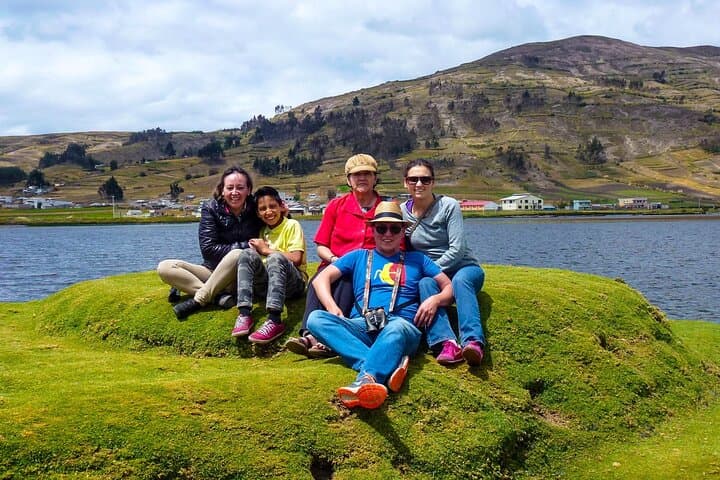
You leave Guayaquil’s humid heat behind as the road climbs into the high Andes; mist drapes the slopes and lagoons glint like coins stacked in a bowl. Cajas National Park greets you with Polylepis groves and peat ponds that collect the sky, then Cuenca’s colonial stone streets invite slower steps through churches and markets. Higher still, Chimborazo lifts a glacial shoulder into the clouds and Riobamba frames volcanoes that seem to watch the road.
You leave Guayaquil’s humid heat behind as the road climbs into the high Andes; mist drapes the slopes and lagoons glint like coins stacked in a bowl. Cajas National Park greets you with Polylepis groves and peat ponds that collect the sky, then Cuenca’s colonial stone streets invite slower steps through churches and markets. Higher still, Chimborazo lifts a glacial shoulder into the clouds and Riobamba frames volcanoes that seem to watch the road.
This four-day route threads Ecuador’s layers: coastal agriculture and cacao farms; Andean páramo and Polylepis woodlands shaped by ancient glaciation; Spanish colonial towns with baroque cathedrals and artisan workshops in Gualaceo and Chordeleg. Chimborazo, an eroded stratovolcano, is Ecuador’s farthest point from Earth’s center due to equatorial bulge — a geological quirk that alters how you feel at altitude. Baños finishes the tour with waterfalls that dare you toward viewpoints and the Casa del Árbol swing, where gravity becomes part of the spectacle.
Practical guidance: expect a mix of easy cultural walks and high-altitude exposure up to ~4,800 m near the Chimborazo refuge. Bring layered clothing, sunscreen, and a reusable bottle; hydrate before and during higher-elevation days. Daily driving segments vary from 2–5 hours; plan for flexible timing due to mountain weather and traffic. The tour moves at a steady pace—suitable for travelers with moderate fitness and respect for altitude. Stick to marked trails in parks, carry any required documents (passport), and budget for small entrance fees or optional extras in Baños.