THE ADVENTURE COLLECTIVE® · Independent discovery and booking for outdoor travel

Spend four days among Zhangjiajie’s towering sandstone pillars, walk the world-famous glass bridges and learn tea culture in nearby terraces. This guided route pairs adrenaline moments with cultural stops for a balanced view of Hunan’s dramatic landscape.
Spend four days among Zhangjiajie’s towering sandstone pillars, walk the world-famous glass bridges and learn tea culture in nearby terraces. This guided route pairs adrenaline moments with cultural stops for a balanced view of Hunan’s dramatic landscape.
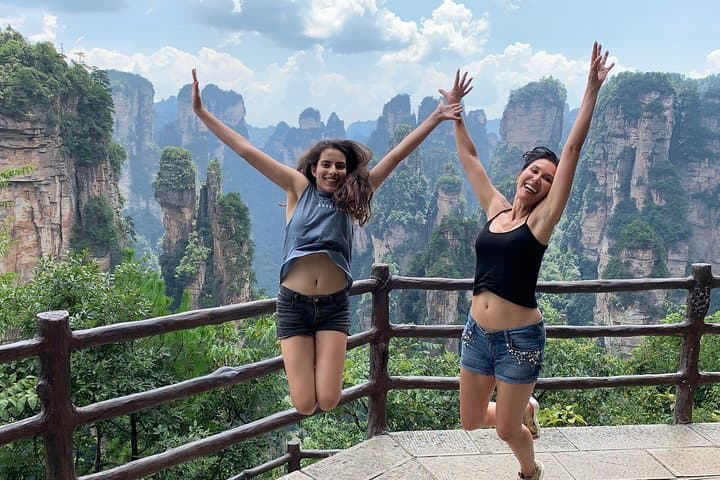
You step off the minivan into a cool valley where sandstone pillars push through morning mist like columns demanding attention. Forested paths slope away beneath cable cars that clip the skyline; the Grand Canyon glass bridge waits out over a gorge, daring you to cross. Over four days this tour stages those high moments—cable-car views, cliff-edge glasswalks, and quiet terraces where locals still pick tea by hand.
Verified experiences and guided adventures in the surrounding area.
Operated by China Toruk Tour · Zhangjiajie, Hunan
You step off the minivan into a cool valley where sandstone pillars push through morning mist like columns demanding attention. Forested paths slope away beneath cable cars that clip the skyline; the Grand Canyon glass bridge waits out over a gorge, daring you to cross. Over four days this tour stages those high moments—cable-car views, cliff-edge glasswalks, and quiet terraces where locals still pick tea by hand.
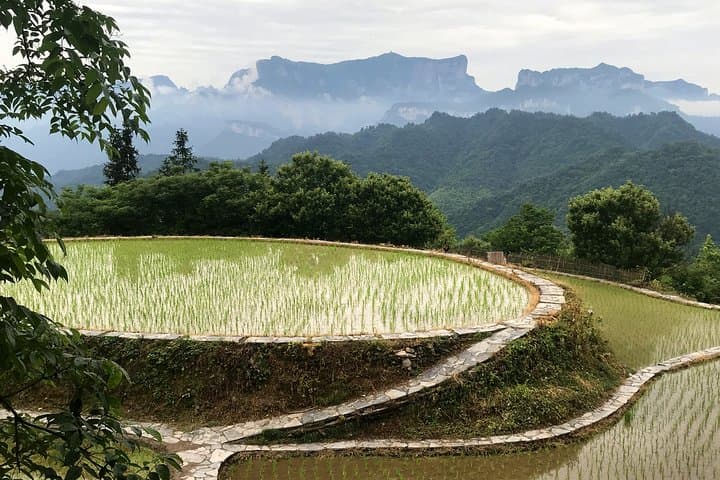
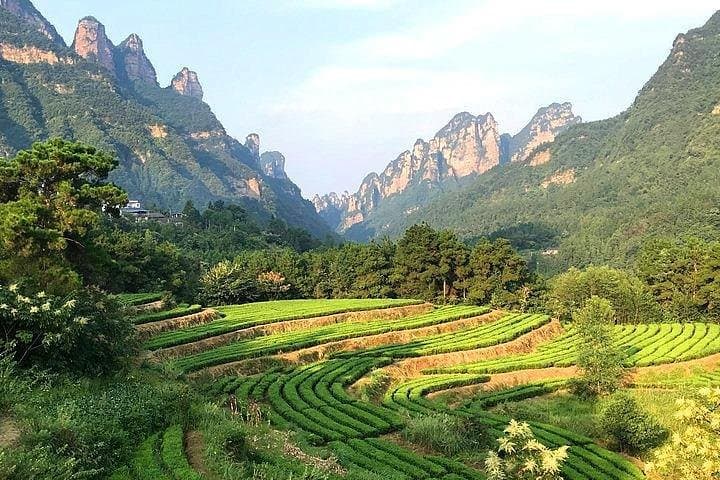
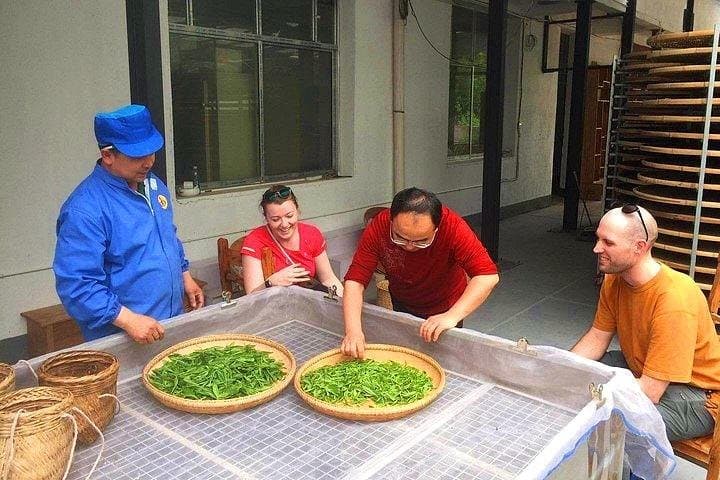
Geology here is blunt and old: quartz-sandstone pillars carved by river, frost and root into the vertical towers that inspired Avatar’s floating peaks. Culturally, Wulingyuan and nearby villages are part of western Hunan’s rural mosaic—Tujia and Miao communities shaped terrace farming and tea practices you’ll encounter at a working tea garden and factory. Tianmen’s cable car, the world’s longest, climbs steeply to a high ridge with carved cliff roads and a glass walkway at about 1,430 m that rewards steady nerve with wide panoramas.
Practical guide: expect a mix of short hikes, many stairs and paved viewpoints, and multiple transfers by bus or van. Carry layered clothing for sharp temperature swings between valley and summit, a reliable pair of walking shoes for wet wooden walkways, and a reusable water bottle—shops are available but queues form fast at prime viewpoints. Timing matters: sunrise and late afternoon bring softer light and thinner crowds; mid-day is busiest on glass attractions. If you have mobility concerns, notify your operator—cable cars and boardwalks are accessible in parts but many scenic platforms require steps. This itinerary is a practical, high-altitude showcase of Zhangjiajie’s peaks, streams and living tea culture, designed to balance spectacle with time to taste the region.
moderate.
4 days.
You should be comfortable walking several hours across uneven terrain and climbing stairs; basic stamina for multi-day touring required.
Yes—Zhangjiajie Grand Canyon glass bridge is engineered to strict standards; operators regulate numbers and footwear rules may apply for extra safety.
Most highlights are reachable via cable cars, shuttle buses and short walks, but Golden Whip Stream and some viewpoints involve trail walking and stair sections.
Late spring and fall offer the best balance of weather and visibility; summer is lush but wetter, winter can be clear but cold.
Cable cars and some platforms are accessible, but many viewpoints and village paths have steps—notify the operator ahead to arrange suitable transfers.
The Wulingyuan area has been inhabited by Tujia and Miao communities for centuries; its sandstone pillars formed over 300 million years of erosion.
Zhangjiajie is a UNESCO World Heritage Site with strict visitor controls on trails and attractions—stick to marked paths and avoid single-use plastics to reduce impact.
China Toruk Tour operates guided outdoor trips and adventures with an emphasis on safety, stewardship, and memorable experiences.
You step off the minivan into a cool valley where sandstone pillars push through morning mist like columns demanding attention. Forested paths slope away beneath cable cars that clip the skyline; the Grand Canyon glass bridge waits out over a gorge, daring you to cross. Over four days this tour stages those high moments—cable-car views, cliff-edge glasswalks, and quiet terraces where locals still pick tea by hand.
You step off the minivan into a cool valley where sandstone pillars push through morning mist like columns demanding attention. Forested paths slope away beneath cable cars that clip the skyline; the Grand Canyon glass bridge waits out over a gorge, daring you to cross. Over four days this tour stages those high moments—cable-car views, cliff-edge glasswalks, and quiet terraces where locals still pick tea by hand.
Geology here is blunt and old: quartz-sandstone pillars carved by river, frost and root into the vertical towers that inspired Avatar’s floating peaks. Culturally, Wulingyuan and nearby villages are part of western Hunan’s rural mosaic—Tujia and Miao communities shaped terrace farming and tea practices you’ll encounter at a working tea garden and factory. Tianmen’s cable car, the world’s longest, climbs steeply to a high ridge with carved cliff roads and a glass walkway at about 1,430 m that rewards steady nerve with wide panoramas.
Practical guide: expect a mix of short hikes, many stairs and paved viewpoints, and multiple transfers by bus or van. Carry layered clothing for sharp temperature swings between valley and summit, a reliable pair of walking shoes for wet wooden walkways, and a reusable water bottle—shops are available but queues form fast at prime viewpoints. Timing matters: sunrise and late afternoon bring softer light and thinner crowds; mid-day is busiest on glass attractions. If you have mobility concerns, notify your operator—cable cars and boardwalks are accessible in parts but many scenic platforms require steps. This itinerary is a practical, high-altitude showcase of Zhangjiajie’s peaks, streams and living tea culture, designed to balance spectacle with time to taste the region.