THE ADVENTURE COLLECTIVE® · Independent discovery and booking for outdoor travel

A compact four-day private package that pairs Xi’an’s world-class archaeology with a dramatic day on Mt. Huashan. Expect guided transfers, included cable car at Huashan, and highlights from the City Wall to the Muslim Quarter.
A compact four-day private package that pairs Xi’an’s world-class archaeology with a dramatic day on Mt. Huashan. Expect guided transfers, included cable car at Huashan, and highlights from the City Wall to the Muslim Quarter.
A traveler steps out of Xi’an’s cool morning air into a city that still carries the cadence of 3,000 years of capitals — buses hum, street vendors call, and the rhythm of history presses forward.
Verified experiences and guided adventures in the surrounding area.
Operated by Travel China Guide · Xi'an, Shaanxi
A traveler steps out of Xi’an’s cool morning air into a city that still carries the cadence of 3,000 years of capitals — buses hum, street vendors call, and the rhythm of history presses forward.
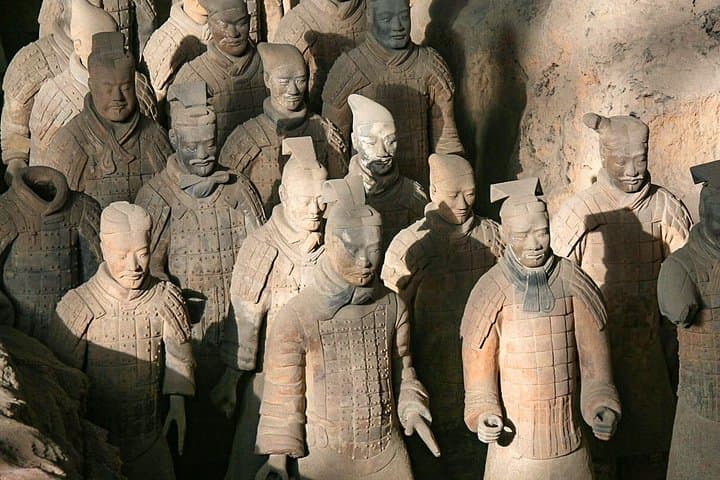
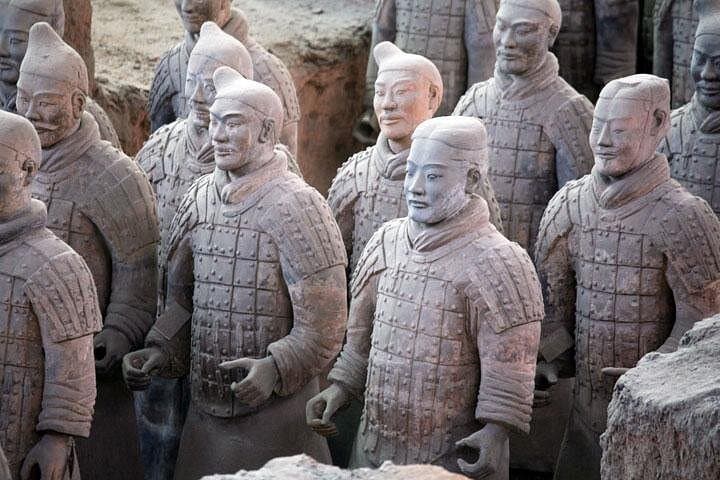
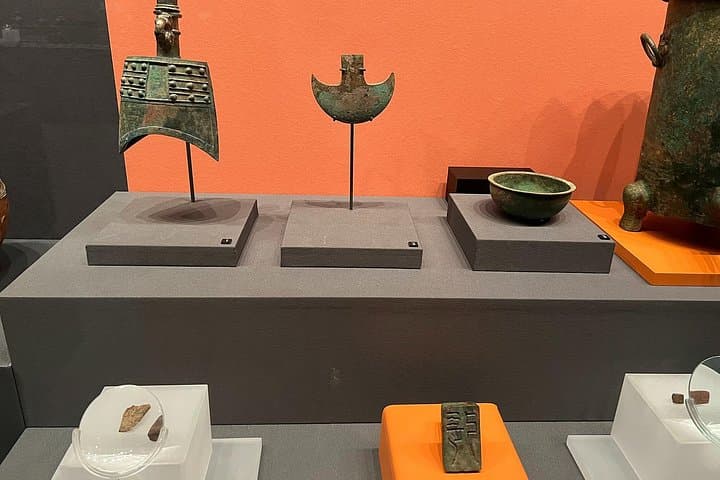
Day by day the itinerary threads through eras: the Terracotta Army’s rows of clay soldiers — buried to guard an emperor’s afterlife more than 2,200 years ago — the compact stone of the City Wall that circles the old town for roughly 13.7 km, and the Great Mosque where Chinese building forms meet Islamic practice. Mt. Huashan, a granite massif east of the city, rises abruptly to its highest summit at 2,154 m; its vertical slabs and serrated ridgelines were carved by tectonic uplift and millennia of erosion, producing narrow paths and panoramic drop-offs that dare your step.
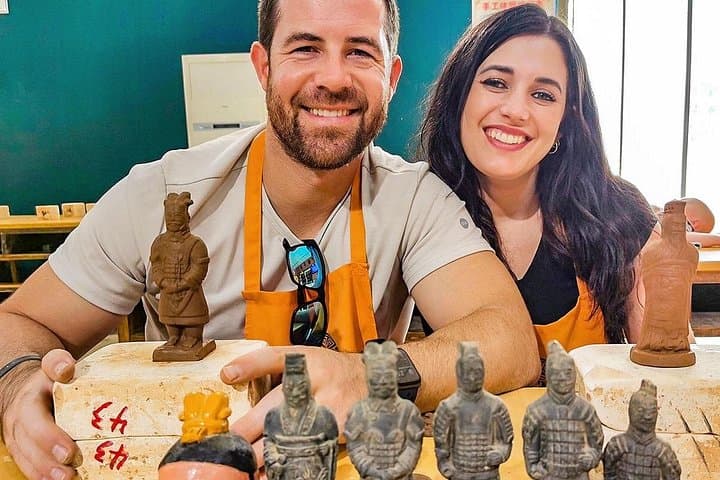
Culturally the trip balances imperial archaeology with living tradition: small pagodas, the bustling Muslim Quarter with halal snacks, and local artisans who still shape clay figures. Guides focus on efficient logistics — private transfers, an included round-trip cable car at Huashan, and hotel pickups — so travelers spend more time on the view and less on the route.
Practical guidance: plan for varied terrain and temperature swings between city and high ridges. Expect stairs and exposed sections on Huashan; the cable car reduces vertical gain but not the slick stone or crowd pinch points. Carry water, layered clothing, and a small first-aid kit. Schedule early starts to avoid mid-day heat at archaeological sites and afternoon clouds on the mountain.
moderate.
4 days.
Comfortable walking fitness; able to climb steep stone steps and manage several hours on uneven trails.
Yes — the itinerary lists admission to major sites and a round-trip cable car at Mt. Huashan as included in the tour package.
Huashan involves steep sections and exposed ridgelines; the cable car reduces elevation gain but participants should be comfortable on stairs and narrow paths.
Yes — airport or railway station pickup and drop-off are provided according to the tour description.
Three breakfasts and some lunches are included; check your booking for specific meal details and any special dietary needs.
Xi’an served as China’s imperial capital for multiple dynasties and houses the Terracotta Army, built to accompany Qin Shi Huang into the afterlife around 210 BCE.
High visitor numbers make staying on marked trails important; follow local guidance to avoid erosion and never remove archaeological fragments.
Travel China Guide operates guided outdoor trips and adventures with an emphasis on safety, stewardship, and memorable experiences.
A traveler steps out of Xi’an’s cool morning air into a city that still carries the cadence of 3,000 years of capitals — buses hum, street vendors call, and the rhythm of history presses forward.
A traveler steps out of Xi’an’s cool morning air into a city that still carries the cadence of 3,000 years of capitals — buses hum, street vendors call, and the rhythm of history presses forward.
Day by day the itinerary threads through eras: the Terracotta Army’s rows of clay soldiers — buried to guard an emperor’s afterlife more than 2,200 years ago — the compact stone of the City Wall that circles the old town for roughly 13.7 km, and the Great Mosque where Chinese building forms meet Islamic practice. Mt. Huashan, a granite massif east of the city, rises abruptly to its highest summit at 2,154 m; its vertical slabs and serrated ridgelines were carved by tectonic uplift and millennia of erosion, producing narrow paths and panoramic drop-offs that dare your step.
Culturally the trip balances imperial archaeology with living tradition: small pagodas, the bustling Muslim Quarter with halal snacks, and local artisans who still shape clay figures. Guides focus on efficient logistics — private transfers, an included round-trip cable car at Huashan, and hotel pickups — so travelers spend more time on the view and less on the route.
Practical guidance: plan for varied terrain and temperature swings between city and high ridges. Expect stairs and exposed sections on Huashan; the cable car reduces vertical gain but not the slick stone or crowd pinch points. Carry water, layered clothing, and a small first-aid kit. Schedule early starts to avoid mid-day heat at archaeological sites and afternoon clouds on the mountain.