THE ADVENTURE COLLECTIVE® · Independent discovery and booking for outdoor travel

A four-day group camping safari that moves from Tarangire’s baobab-scattered riverlands to the Serengeti plains and down into Ngorongoro Crater. Expect guided game drives, public campsites, and close encounters with East Africa’s iconic wildlife.
A four-day group camping safari that moves from Tarangire’s baobab-scattered riverlands to the Serengeti plains and down into Ngorongoro Crater. Expect guided game drives, public campsites, and close encounters with East Africa’s iconic wildlife.
The sun climbs slow over acacia and baobab as the 4x4 bumps out of Arusha, dust lifting like a challenge thrown at the plains. Early light paints elephants at the Tarangire River and the vehicle’s pop-up roof becomes a binocular theater; birds shift like punctuation across the sky.
Verified experiences and guided adventures in the surrounding area.
Operated by World Compass Adventures · Arusha, Arusha Region
The sun climbs slow over acacia and baobab as the 4x4 bumps out of Arusha, dust lifting like a challenge thrown at the plains. Early light paints elephants at the Tarangire River and the vehicle’s pop-up roof becomes a binocular theater; birds shift like punctuation across the sky.
This itinerary threads three of Tanzania’s defining landscapes: Tarangire’s elephant-swept woodlands, the infinite grass sea of the Serengeti where kopjes break the horizon, and the caldera bowl of Ngorongoro, a geological sink that traps a unique mix of species. Maasai presence shapes the human story here—cattle corridors and village markets at Mto wa Mbu offer cultural context between game drives. Geologically the Ngorongoro Crater is an ancient volcano whose rim shelters a dense ecosystem; the Serengeti’s flatness is the long result of erosion and seasonal rivers that drive the Great Migration.
Expect long but rewarding days: early departures for predator activity, midday drives that follow rivers and termite mounds, and nights at public campsites under wide stars. Guides handle logistics—meals, park fees, and basic camp setup—while travelers should be prepared to keep distance from wildlife, manage dust, and be flexible with timing.
Practical tips: bring layered clothing for cool mornings and hot afternoons, binoculars and a camera with a good zoom, sun protection and a refillable water bottle. Vaccinations, park regulations, and modest interaction with Maasai communities are part of respectful planning. This is camping-light safaris: immersive wildlife viewing with straightforward comforts and a clear focus on animals, landscape, and learning.
easy.
4 days.
Able to tolerate multiple hours in a vehicle, short walks, and basic campsite movement; suitable for most fitness levels
Children can join but policies vary by operator; vehicle space is limited and children must be supervised at campsites—confirm age and pickup requirements when booking.
Travelers should check current Tanzanian entry requirements and recommended vaccinations (e.g., yellow fever proof may be required) and consult a travel clinic well before departure.
Public campsites provide basic amenities—pit toilets, shared cooking/eating areas and provided camping gear (tents, mattresses); expect minimal luxury and communal arrangements.
Tarangire, Serengeti and Ngorongoro collectively host the Big Five; sightings depend on season and luck but guides position vehicles to optimize viewing opportunities.
The Ngorongoro Conservation Area integrates Maasai cultural land use with wildlife protection; the crater’s geology reflects an ancient volcanic collapse.
Park fees contribute to conservation and community programs; stay on roads, follow guide instructions, and avoid single-use plastics to reduce impact.
World Compass Adventures operates guided outdoor trips and adventures with an emphasis on safety, stewardship, and memorable experiences.
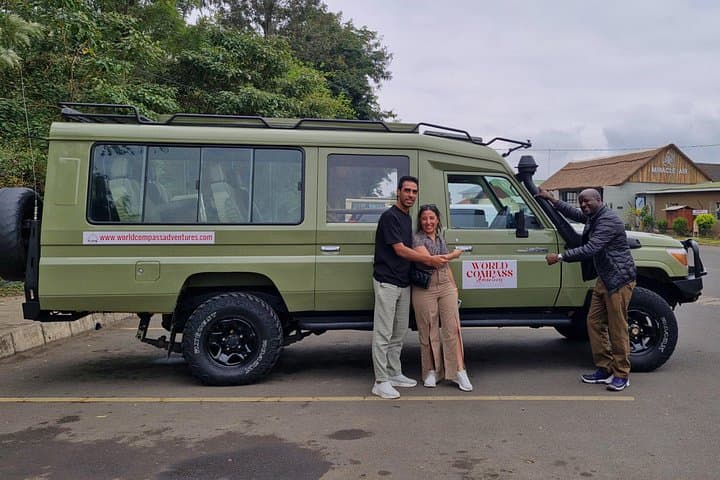
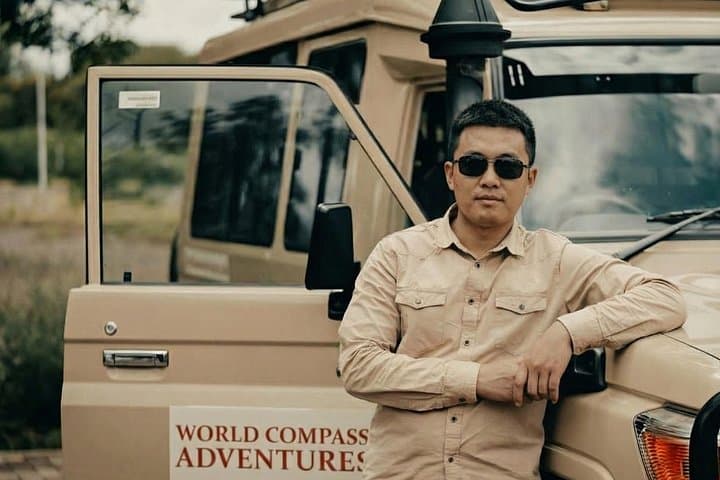
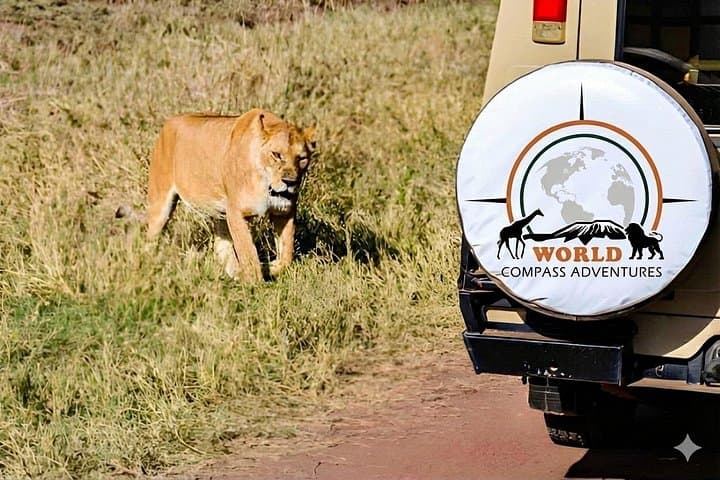
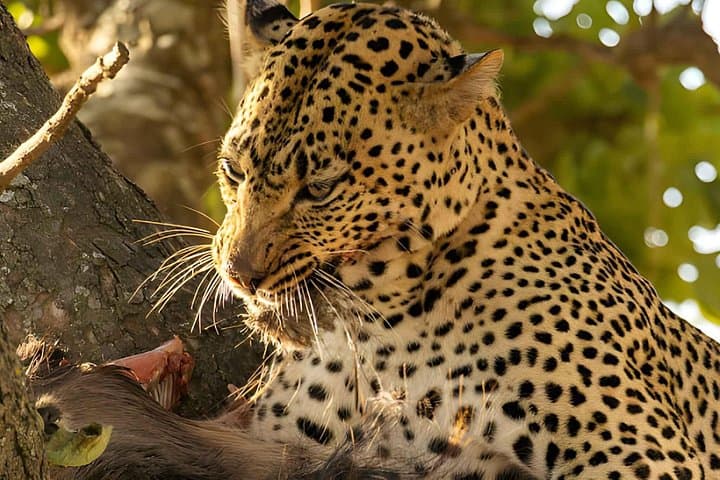
The sun climbs slow over acacia and baobab as the 4x4 bumps out of Arusha, dust lifting like a challenge thrown at the plains. Early light paints elephants at the Tarangire River and the vehicle’s pop-up roof becomes a binocular theater; birds shift like punctuation across the sky.
The sun climbs slow over acacia and baobab as the 4x4 bumps out of Arusha, dust lifting like a challenge thrown at the plains. Early light paints elephants at the Tarangire River and the vehicle’s pop-up roof becomes a binocular theater; birds shift like punctuation across the sky.
This itinerary threads three of Tanzania’s defining landscapes: Tarangire’s elephant-swept woodlands, the infinite grass sea of the Serengeti where kopjes break the horizon, and the caldera bowl of Ngorongoro, a geological sink that traps a unique mix of species. Maasai presence shapes the human story here—cattle corridors and village markets at Mto wa Mbu offer cultural context between game drives. Geologically the Ngorongoro Crater is an ancient volcano whose rim shelters a dense ecosystem; the Serengeti’s flatness is the long result of erosion and seasonal rivers that drive the Great Migration.
Expect long but rewarding days: early departures for predator activity, midday drives that follow rivers and termite mounds, and nights at public campsites under wide stars. Guides handle logistics—meals, park fees, and basic camp setup—while travelers should be prepared to keep distance from wildlife, manage dust, and be flexible with timing.
Practical tips: bring layered clothing for cool mornings and hot afternoons, binoculars and a camera with a good zoom, sun protection and a refillable water bottle. Vaccinations, park regulations, and modest interaction with Maasai communities are part of respectful planning. This is camping-light safaris: immersive wildlife viewing with straightforward comforts and a clear focus on animals, landscape, and learning.