THE ADVENTURE COLLECTIVE® · Independent discovery and booking for outdoor travel

A four-day guided loop from Cairo into Bahariya and the White Desert delivers moonlike chalk formations, black volcanic ridges and star-filled desert nights. This practical guide explains what to expect and how to prepare for dunes, cold nights and long drives.
A four-day guided loop from Cairo into Bahariya and the White Desert delivers moonlike chalk formations, black volcanic ridges and star-filled desert nights. This practical guide explains what to expect and how to prepare for dunes, cold nights and long drives.
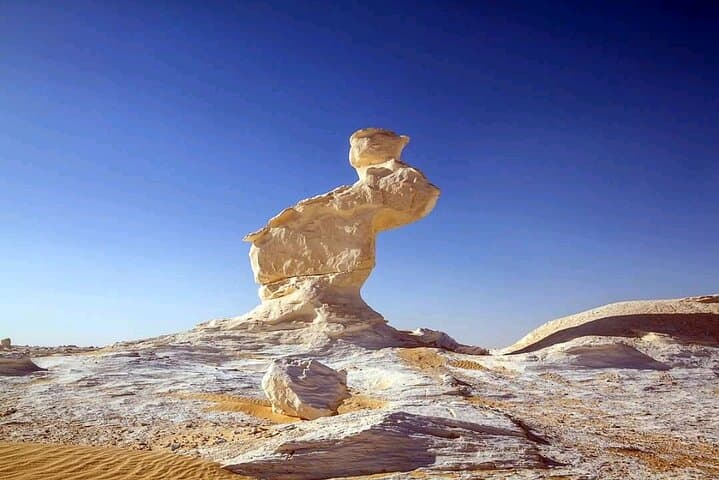
You wake before dawn in Cairo and the city recedes into a ribbon of highway; by late afternoon the desert takes the wheel. Light slides across black basalt ribs and then off chalk cliffs, the wind carving white mushroom rocks that seem to lean toward you as if to whisper their age.
Verified experiences and guided adventures in the surrounding area.
Operated by Egyptian desert tours · Bahariya Oasis (Al-Bawiti), Giza Governorate
You wake before dawn in Cairo and the city recedes into a ribbon of highway; by late afternoon the desert takes the wheel. Light slides across black basalt ribs and then off chalk cliffs, the wind carving white mushroom rocks that seem to lean toward you as if to whisper their age.
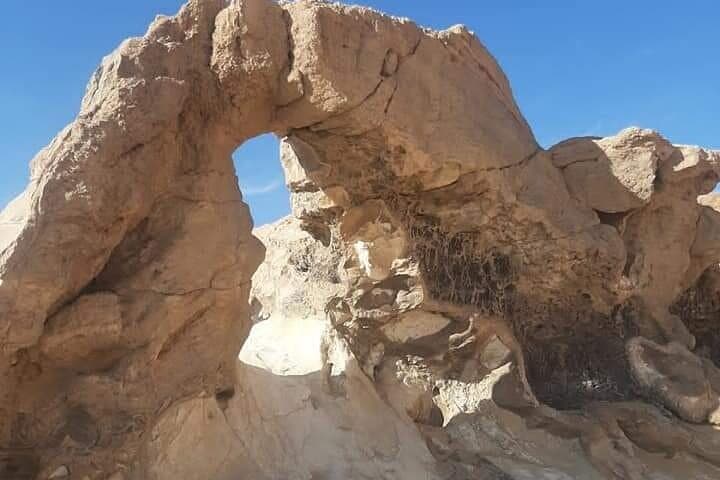
This four-day circuit threads Bahariya Oasis, the Black Desert’s volcanic outcrops, the Crystal Mountain, and the limestone sculptures of the White Desert (Sahara el Beyda). Geologically, the park’s rounded chalk formations are wind-sculpted Eocene deposits; nearby black hills are older volcanic material that frames the landscape. Culturally, the oases have been stopping points for desert caravans and later for Bedouin communities—look for local date palms, salt lakes and simple settlements where traditional life meets tourist camps.
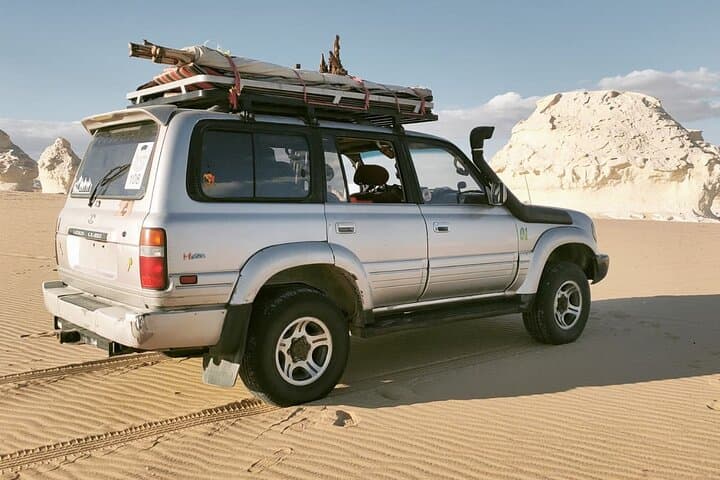
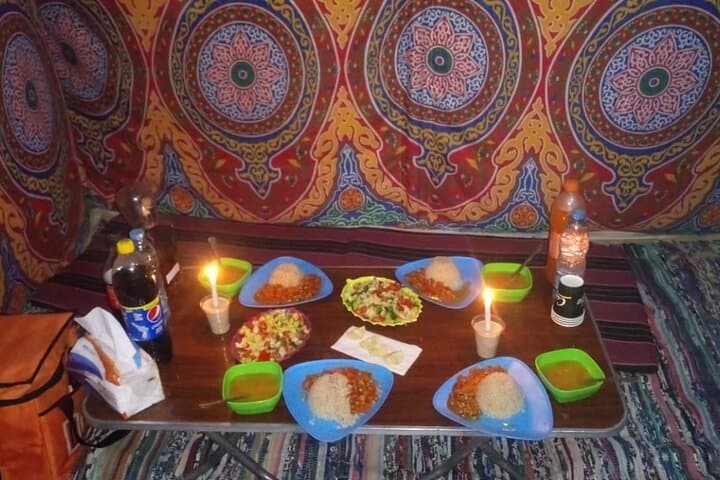
Expect long drives broken by short hikes and photo stops, dune-camping evenings, and clear, cold nights where temperatures can plunge. Meals and bottled water are included on most organized trips; guides handle camp setup and route-finding across wind-sanded tracks.
Practical notes: start early to dodge midday heat, carry 2–3 liters of water on outings, and wear closed-toe shoes for shifting sand and sharp chalk. Protect skin and electronics from blown sand and sun. Respect fragile chalk formations—avoid climbing the mushroom rocks—and pack out all waste. Timing matters: spring and autumn offer the most comfortable daytime temperatures; summers are unforgiving midday, winters bring freezing nights. With basic fitness and preparation, the White Desert rewards with uncanny landscapes, long horizons and unpolluted night skies that make camping feel elemental and immediate.
moderate.
4 days.
Moderate fitness: comfortable with multi-hour drives, short hikes on loose sand, and camping overnight.
Most organized White Desert tours include tents and basic camp setup; confirm specific gear (sleeping pad/ bag) with the operator before departure.
Expect several hours of driving on day one—typically 5–7 hours depending on traffic and stops—followed by shorter drives between sites inside the oasis and park.
Basic facilities exist in oasis towns and some lodges; in the national park expect primitive conditions—come prepared with hygiene supplies and follow Leave No Trace rules.
The tour lists wheelchair- and stroller-accessible transport options, but desert surfaces and dune camps are uneven—check with the operator about specific mobility needs and assistance.
Bahariya and surrounding oases were caravan stops and later sites of archaeological finds (including Greco-Roman and pharaonic artifacts) that reflect long human presence in the Western Desert.
White Desert’s chalk mushrooms are fragile—stick to established routes, avoid climbing formations, and pack out waste; organized tours help minimize impact by concentrating use.
Egyptian desert tours operates guided outdoor trips and adventures with an emphasis on safety, stewardship, and memorable experiences.
You wake before dawn in Cairo and the city recedes into a ribbon of highway; by late afternoon the desert takes the wheel. Light slides across black basalt ribs and then off chalk cliffs, the wind carving white mushroom rocks that seem to lean toward you as if to whisper their age.
You wake before dawn in Cairo and the city recedes into a ribbon of highway; by late afternoon the desert takes the wheel. Light slides across black basalt ribs and then off chalk cliffs, the wind carving white mushroom rocks that seem to lean toward you as if to whisper their age.
This four-day circuit threads Bahariya Oasis, the Black Desert’s volcanic outcrops, the Crystal Mountain, and the limestone sculptures of the White Desert (Sahara el Beyda). Geologically, the park’s rounded chalk formations are wind-sculpted Eocene deposits; nearby black hills are older volcanic material that frames the landscape. Culturally, the oases have been stopping points for desert caravans and later for Bedouin communities—look for local date palms, salt lakes and simple settlements where traditional life meets tourist camps.
Expect long drives broken by short hikes and photo stops, dune-camping evenings, and clear, cold nights where temperatures can plunge. Meals and bottled water are included on most organized trips; guides handle camp setup and route-finding across wind-sanded tracks.
Practical notes: start early to dodge midday heat, carry 2–3 liters of water on outings, and wear closed-toe shoes for shifting sand and sharp chalk. Protect skin and electronics from blown sand and sun. Respect fragile chalk formations—avoid climbing the mushroom rocks—and pack out all waste. Timing matters: spring and autumn offer the most comfortable daytime temperatures; summers are unforgiving midday, winters bring freezing nights. With basic fitness and preparation, the White Desert rewards with uncanny landscapes, long horizons and unpolluted night skies that make camping feel elemental and immediate.