THE ADVENTURE COLLECTIVE® · Independent discovery and booking for outdoor travel

A strenuous four-day loop combining guided mountain-gorilla encounters in Virunga National Park with a night on the crater rim of Nyiragongo to watch an active lava lake. Plan for muddy forest trails, steep climbs, and a cold, windy summit night.
A strenuous four-day loop combining guided mountain-gorilla encounters in Virunga National Park with a night on the crater rim of Nyiragongo to watch an active lava lake. Plan for muddy forest trails, steep climbs, and a cold, windy summit night.
You arrive to the low morning light over Goma and the first thing that takes hold is the weight of the land — volcanic ridges rising like ridged waves, forest breathing on steep slopes. The track out of Kibumba pushes through wet montane forest where ferns clutch the trail and birdcalls dart overhead; later, the climb to Nyiragongo opens into a lunar ridge where the crater lake glares like molten metal.
Verified experiences and guided adventures in the surrounding area.
Operated by Congo Local Guides · Goma, North Kivu
You arrive to the low morning light over Goma and the first thing that takes hold is the weight of the land — volcanic ridges rising like ridged waves, forest breathing on steep slopes. The track out of Kibumba pushes through wet montane forest where ferns clutch the trail and birdcalls dart overhead; later, the climb to Nyiragongo opens into a lunar ridge where the crater lake glares like molten metal.
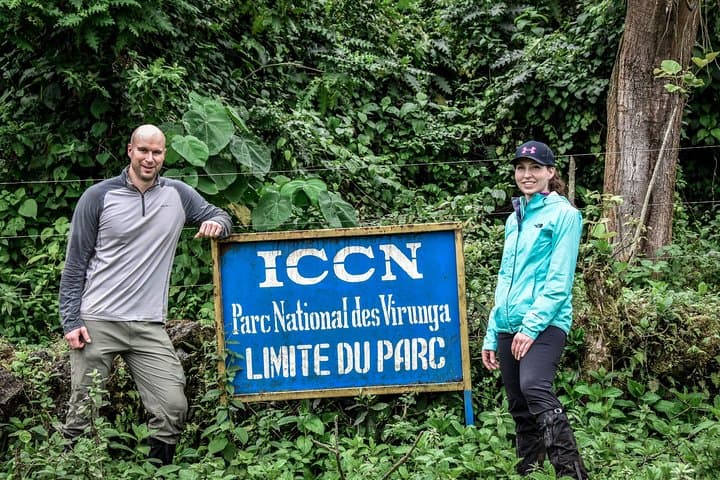
Virunga National Park, created in 1925 as one of Africa’s earliest protected areas, is both geological powerhouse and cultural crossroads. The Nyiragongo volcano sits on the Albertine Rift, its lava lake among the world’s largest and most active. Nearby communities have long lived with the mountain’s moods; local guides combine knowledge of forest trails with conservation practice born from decades of park stewardship.
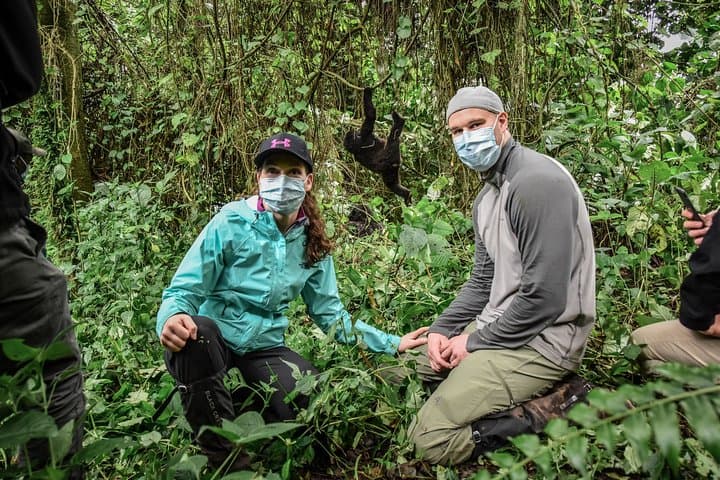
Expect two gorilla treks that can take 1–4 hours depending on group location, with steep, muddy sections and occasional scramble; guides and rangers control group size and time with the gorillas. The Nyiragongo summit hike is a long day of 4–6 hours of ascending to high crater rim shelters where nights are thin and windy but the view of the glowing lava lake is uncompromising.
Practical edge: secure gorilla and volcano permits well in advance, bring layered warm clothing for the crater night, waterproof boots and gaiters for slippery forest trails, and a headlamp for pre-dawn starts. Respect ranger briefings — time with gorillas is limited and close contact is prohibited. With preparation, the trip is physically demanding but richly rewarding: wildlife, volcanic spectacle, and a chance to see a landscape that quite literally reshapes itself.
challenging.
4 days.
Good cardiovascular fitness and leg strength; comfortable with several hours of uphill hiking and uneven terrain.
Yes—both gorilla trekking and Nyiragongo crater access require park permits; book through an operator or the park in advance.
Expect moderate-to-hard hiking: gorilla treks can be short or several hours through rough terrain, and Nyiragongo is a sustained 4–6 hour ascent to high elevation.
Check CDC guidance for the DRC—yellow fever vaccination is often required for entry, and anti-malarials, up-to-date routine vaccines, and travel insurance are recommended.
Viewing from the crater rim is guided and generally safe when accompanied by rangers; the lava lake is active and conditions can change rapidly, so follow all park briefings.
Virunga National Park was founded in 1925 and is one of Africa’s oldest protected areas; its management and communities have navigated colonial, political and conservation challenges for a century.
Visitor numbers to gorilla groups are strictly limited to reduce disturbance; fees and community projects help fund anti-poaching and local development—travelers should minimize waste and follow ranger guidance.
Congo Local Guides operates guided outdoor trips and adventures with an emphasis on safety, stewardship, and memorable experiences.
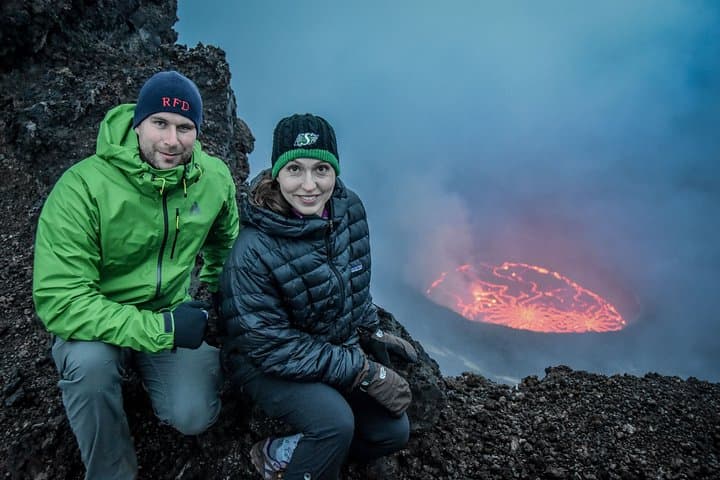
You arrive to the low morning light over Goma and the first thing that takes hold is the weight of the land — volcanic ridges rising like ridged waves, forest breathing on steep slopes. The track out of Kibumba pushes through wet montane forest where ferns clutch the trail and birdcalls dart overhead; later, the climb to Nyiragongo opens into a lunar ridge where the crater lake glares like molten metal.
You arrive to the low morning light over Goma and the first thing that takes hold is the weight of the land — volcanic ridges rising like ridged waves, forest breathing on steep slopes. The track out of Kibumba pushes through wet montane forest where ferns clutch the trail and birdcalls dart overhead; later, the climb to Nyiragongo opens into a lunar ridge where the crater lake glares like molten metal.
Virunga National Park, created in 1925 as one of Africa’s earliest protected areas, is both geological powerhouse and cultural crossroads. The Nyiragongo volcano sits on the Albertine Rift, its lava lake among the world’s largest and most active. Nearby communities have long lived with the mountain’s moods; local guides combine knowledge of forest trails with conservation practice born from decades of park stewardship.
Expect two gorilla treks that can take 1–4 hours depending on group location, with steep, muddy sections and occasional scramble; guides and rangers control group size and time with the gorillas. The Nyiragongo summit hike is a long day of 4–6 hours of ascending to high crater rim shelters where nights are thin and windy but the view of the glowing lava lake is uncompromising.
Practical edge: secure gorilla and volcano permits well in advance, bring layered warm clothing for the crater night, waterproof boots and gaiters for slippery forest trails, and a headlamp for pre-dawn starts. Respect ranger briefings — time with gorillas is limited and close contact is prohibited. With preparation, the trip is physically demanding but richly rewarding: wildlife, volcanic spectacle, and a chance to see a landscape that quite literally reshapes itself.