THE ADVENTURE COLLECTIVE® · Independent discovery and booking for outdoor travel

A four-day circuit from Entebbe that pairs an intimate mountain gorilla encounter in Bwindi with canoeing on Lake Bunyonyi and game viewing in Lake Mburo. Expect long drives, variable weather, and once-in-a-lifetime wildlife moments.
A four-day circuit from Entebbe that pairs an intimate mountain gorilla encounter in Bwindi with canoeing on Lake Bunyonyi and game viewing in Lake Mburo. Expect long drives, variable weather, and once-in-a-lifetime wildlife moments.
Misty ridgelines thread through the morning as your vehicle climbs toward Bwindi Impenetrable Forest — a green wall that seems to inhale the road. You step from the car into heavy air and leaf litter; the forest feels deliberate, its canopy shifting light like a quiet audience. This four-day circuit moves from Entebbe’s lakeside calm to the hush of gorilla habitat, then opens into the broad grasses of Lake Mburo and the mirror calm of Lake Bunyonyi.
Verified experiences and guided adventures in the surrounding area.
Operated by Big Apes Africa Safaris · Entebbe, Central Region
Misty ridgelines thread through the morning as your vehicle climbs toward Bwindi Impenetrable Forest — a green wall that seems to inhale the road. You step from the car into heavy air and leaf litter; the forest feels deliberate, its canopy shifting light like a quiet audience. This four-day circuit moves from Entebbe’s lakeside calm to the hush of gorilla habitat, then opens into the broad grasses of Lake Mburo and the mirror calm of Lake Bunyonyi.
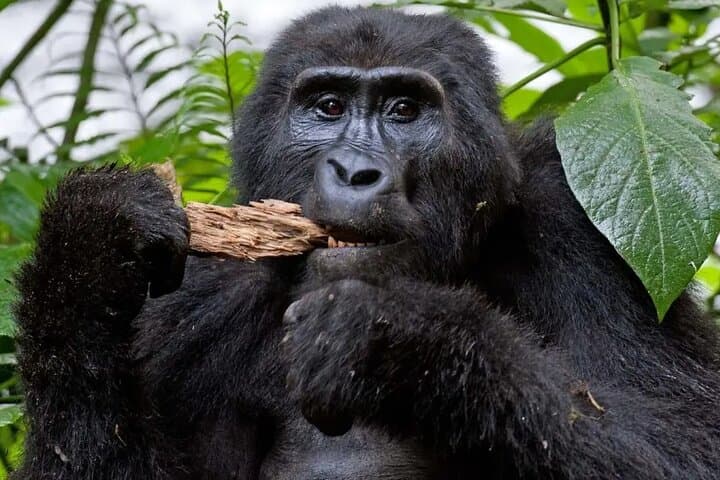
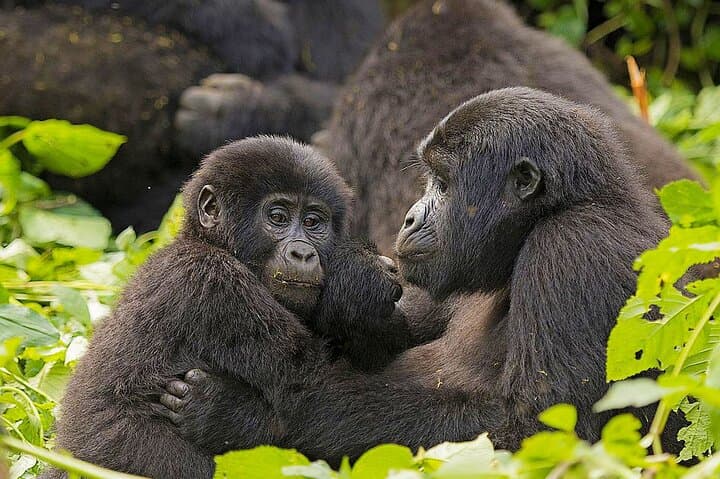
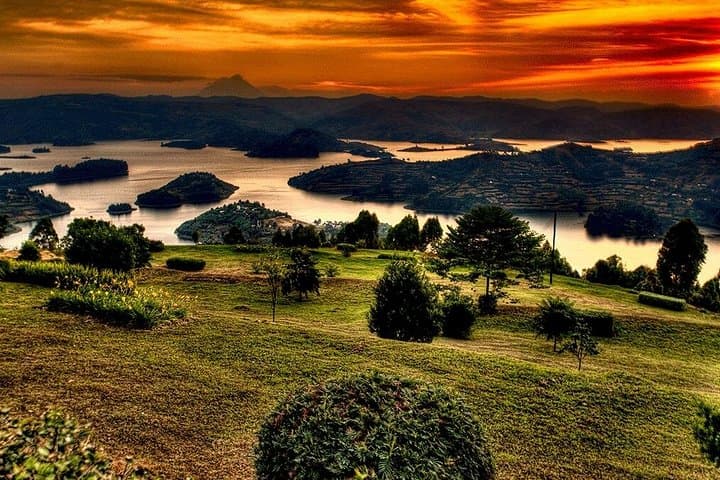
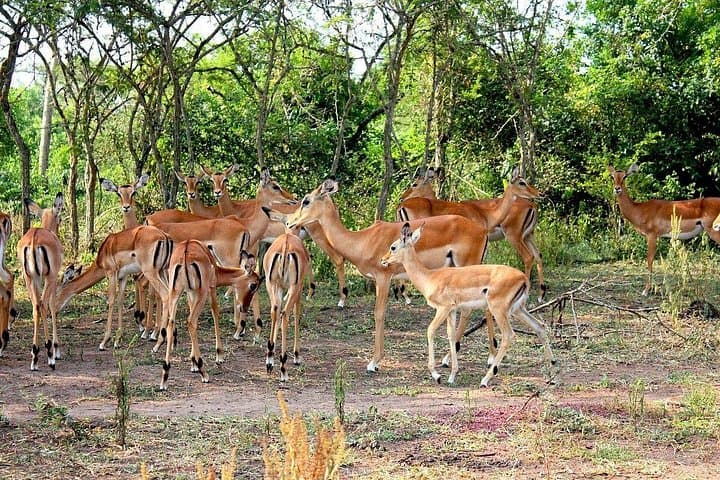
Bwindi’s ancient forest is geologically young volcanic soil overlaid with deep humus; it hosts the last of the mountain gorillas, whose survival story is tied to conservation efforts and community stewardship in southwest Uganda. Lake Bunyonyi’s terraced islands reflect local Kiga culture; many communities still live by fishing and terraced agriculture. Lake Mburo’s open savannah is compact but wildlife-rich, where zebras and impala graze alongside acacia-lined waterholes.
Practically, plan for long transfers — expect 8–9 hour drives across rolling hills on paved and rough sections — and variable weather: the rainforest can turn wet without warning. Gorilla tracking requires a ranger briefing, possible porter hire, and adherence to strict viewing rules (one hour at the group, six visitors per gorilla family). Bring layered, waterproof clothing, solid boots, and a daypack for snacks and water. Binoculars make the savannah drives more rewarding.
Timing your trip in the dry windows (Dec–Feb or Jun–Aug) eases travel but never guarantees sunshine. Respect park rules, keep a steady pace on hikes, and budget time to absorb both the quiet of the forest and the open, wildlife-rich plains.
moderate.
4 days.
Moderate fitness: able to hike 3–6 hours over uneven, sometimes steep terrain and tolerate multi-hour vehicle transfers.
Yes — the itinerary specifies that gorilla permits are included among the trip inclusions.
Tracks range from easy to strenuous: expect 2–8 hours through steep, muddy forest; a moderate level of fitness is recommended.
Dry windows (December–February and June–August) offer easier road travel and firmer trails, though gorilla sightings are possible year-round.
Travelers typically need a valid visa (many nationalities get e-visa or visa-on-arrival) and proof of yellow fever vaccination; check current entry requirements before travel.
Bwindi’s forest has been a conservation focus since the late 20th century when mountain gorilla protection became a global priority, and local communities now play active roles in sanctuary stewardship.
Gorilla tourism supports anti-poaching patrols and community revenues; visitors should minimize disturbance (keep distance, no flash photography) and follow ranger instructions to reduce disease transmission risk.
Big Apes Africa Safaris operates guided outdoor trips and adventures with an emphasis on safety, stewardship, and memorable experiences.
Misty ridgelines thread through the morning as your vehicle climbs toward Bwindi Impenetrable Forest — a green wall that seems to inhale the road. You step from the car into heavy air and leaf litter; the forest feels deliberate, its canopy shifting light like a quiet audience. This four-day circuit moves from Entebbe’s lakeside calm to the hush of gorilla habitat, then opens into the broad grasses of Lake Mburo and the mirror calm of Lake Bunyonyi.
Misty ridgelines thread through the morning as your vehicle climbs toward Bwindi Impenetrable Forest — a green wall that seems to inhale the road. You step from the car into heavy air and leaf litter; the forest feels deliberate, its canopy shifting light like a quiet audience. This four-day circuit moves from Entebbe’s lakeside calm to the hush of gorilla habitat, then opens into the broad grasses of Lake Mburo and the mirror calm of Lake Bunyonyi.
Bwindi’s ancient forest is geologically young volcanic soil overlaid with deep humus; it hosts the last of the mountain gorillas, whose survival story is tied to conservation efforts and community stewardship in southwest Uganda. Lake Bunyonyi’s terraced islands reflect local Kiga culture; many communities still live by fishing and terraced agriculture. Lake Mburo’s open savannah is compact but wildlife-rich, where zebras and impala graze alongside acacia-lined waterholes.
Practically, plan for long transfers — expect 8–9 hour drives across rolling hills on paved and rough sections — and variable weather: the rainforest can turn wet without warning. Gorilla tracking requires a ranger briefing, possible porter hire, and adherence to strict viewing rules (one hour at the group, six visitors per gorilla family). Bring layered, waterproof clothing, solid boots, and a daypack for snacks and water. Binoculars make the savannah drives more rewarding.
Timing your trip in the dry windows (Dec–Feb or Jun–Aug) eases travel but never guarantees sunshine. Respect park rules, keep a steady pace on hikes, and budget time to absorb both the quiet of the forest and the open, wildlife-rich plains.