THE ADVENTURE COLLECTIVE® · Independent discovery and booking for outdoor travel

See three of Turkey’s most photographed regions in one compact itinerary. This four-day tour links Cappadocia’s rock-cut valleys, Ephesus’s Roman grandeur and Pamukkale’s milky travertines with guided walks, flights and comfortable hotels.
See three of Turkey’s most photographed regions in one compact itinerary. This four-day tour links Cappadocia’s rock-cut valleys, Ephesus’s Roman grandeur and Pamukkale’s milky travertines with guided walks, flights and comfortable hotels.
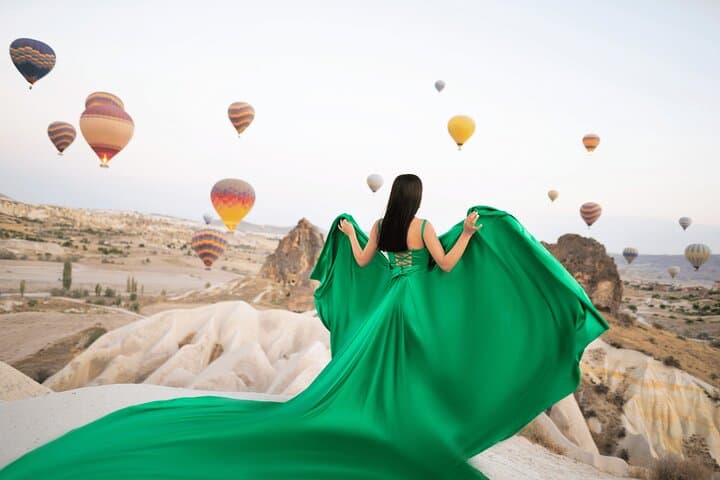
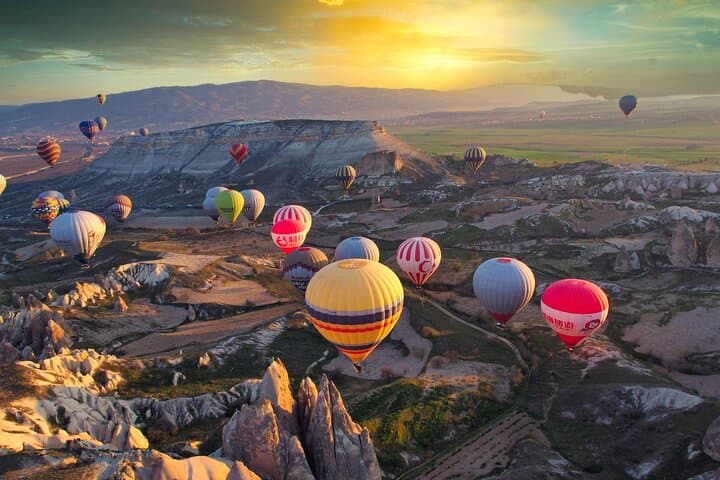
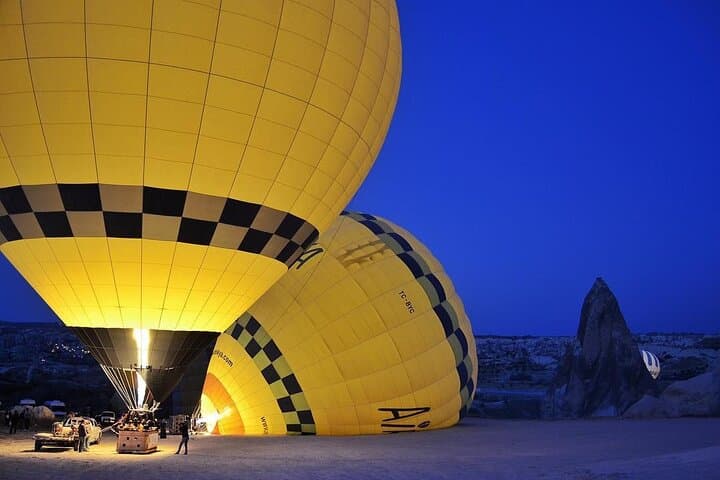
Morning light in Cappadocia arrives like a silent tide: cool, thin, and full of the dust of millennia. On day one the group takes a short flight from Istanbul and steps into a landscape that has been carved, inhabited and repurposed by people for thousands of years. They move through Göreme’s chalky ridges and cave-carved rooms, descend into Derinkuyu’s ventilated chambers, and hike Ilhara Valley where poplars shade a ribbon of river. The pace is brisk—small-group movement with timed transfers—yet there’s room to linger at terraces and monastery doorways.
Verified experiences and guided adventures in the surrounding area.
Operated by Sultanahmet Old City Travel Turizm Organizasyon · Göreme, Nevşehir Province
Morning light in Cappadocia arrives like a silent tide: cool, thin, and full of the dust of millennia. On day one the group takes a short flight from Istanbul and steps into a landscape that has been carved, inhabited and repurposed by people for thousands of years. They move through Göreme’s chalky ridges and cave-carved rooms, descend into Derinkuyu’s ventilated chambers, and hike Ilhara Valley where poplars shade a ribbon of river. The pace is brisk—small-group movement with timed transfers—yet there’s room to linger at terraces and monastery doorways.
This four-day tour strings together three very different faces of western Turkey. Cappadocia’s geology—soft tuff eroded into fairy chimneys and honeycombed cliffs—records volcanic ash and time. Ephesus is Roman scale and urban planning: marble streets, the Library of Celsus and a theater that once held tens of thousands. Pamukkale’s travertine terraces are an ongoing mineral experiment, where hot springs lay down calcium carbonate, white sheets hardening into walkable pools. Along the way local crafts and culinary notes surface: pottery in Avanos, cave-hotels offering restored Ottoman rooms, and small coastal towns in Kuşadası where Aegean breezes cut through the heat.
For travelers this is a logistics-forward trip: domestic flights and a night bus link the long distances, while guided walking tours give context at each site. The itinerary suits people who want high-impact cultural immersion without multi-day trekking; expect moderate walking, some stairs and narrow passages in underground cities. A professional, licensed guide handles entrances and timing, and accommodations range from a cave hotel in Göreme to 4-star seafront rooms near Kuşadası.
Practical edge: start early to avoid peak heat at Ephesus and Pamukkale; bring a small daypack, slip-on footwear for the calcified pools, and a headlamp or phone for the deeper caverns. Budget a bit of cash for pottery demos and small refreshments in villages. The trip’s rhythm—sunrise flight, full-day regional tours, a night bus—means sleep windows are compact; if you’re sensitive to interrupted rest, a pre-tour night in Istanbul and post-tour cushion day in İzmir can help.
In four days you’ll move from volcanic moonscape to imperial ruins to milky thermal steps. It’s a concentrated survey of Turkey’s layers: geological, Roman and Byzantine, and living local craft. For travelers who want to see major sites efficiently while still walking into place—through valleys, down stairwells, and into warm mineral water—this itinerary delivers a full, practical snapshot of the country’s western crown jewels.
moderate.
4 days.
Moderate fitness: able to walk 3–5 miles in a day, manage stairs and short uphill sections.
Expect several hours of walking daily—site visits typically include 1–3 mile loops with stairs and uneven surfaces; a shuttle van handles transfers between stops.
The itinerary lists included items like domestic flight tickets (Istanbul–Cappadocia and Denizli–Istanbul) and many site admissions; check the booking inclusions for specifics.
The tour uses a scheduled night bus between Cappadocia and Denizli; buses are standard long-distance coaches—bring earplugs and a travel pillow if you’re sensitive to sleep interruptions.
Yes—children and infants can travel; stroller access is noted, but underground city passages and some stairs may limit mobility for very young children.
Many nationalities require an e-visa—check Turkey’s official e-visa portal and arrange this before travel to avoid delays.
The tour includes sites with uneven steps and underground passages; it’s not recommended for travelers with serious spinal or cardiovascular issues per supplier notes.
Cappadocia was a crossroads of Hittite, Phrygian, Roman and Byzantine cultures; Ephesus was a major Roman port and intellectual center.
Pamukkale’s travertines are protected—walk only on designated paths and follow site rules to prevent damage; local operators emphasize minimal-impact access and waste reduction.
Sultanahmet Old City Travel Turizm Organizasyon operates guided outdoor trips and adventures with an emphasis on safety, stewardship, and memorable experiences.

Morning light in Cappadocia arrives like a silent tide: cool, thin, and full of the dust of millennia. On day one the group takes a short flight from Istanbul and steps into a landscape that has been carved, inhabited and repurposed by people for thousands of years. They move through Göreme’s chalky ridges and cave-carved rooms, descend into Derinkuyu’s ventilated chambers, and hike Ilhara Valley where poplars shade a ribbon of river. The pace is brisk—small-group movement with timed transfers—yet there’s room to linger at terraces and monastery doorways.
Morning light in Cappadocia arrives like a silent tide: cool, thin, and full of the dust of millennia. On day one the group takes a short flight from Istanbul and steps into a landscape that has been carved, inhabited and repurposed by people for thousands of years. They move through Göreme’s chalky ridges and cave-carved rooms, descend into Derinkuyu’s ventilated chambers, and hike Ilhara Valley where poplars shade a ribbon of river. The pace is brisk—small-group movement with timed transfers—yet there’s room to linger at terraces and monastery doorways.
This four-day tour strings together three very different faces of western Turkey. Cappadocia’s geology—soft tuff eroded into fairy chimneys and honeycombed cliffs—records volcanic ash and time. Ephesus is Roman scale and urban planning: marble streets, the Library of Celsus and a theater that once held tens of thousands. Pamukkale’s travertine terraces are an ongoing mineral experiment, where hot springs lay down calcium carbonate, white sheets hardening into walkable pools. Along the way local crafts and culinary notes surface: pottery in Avanos, cave-hotels offering restored Ottoman rooms, and small coastal towns in Kuşadası where Aegean breezes cut through the heat.
For travelers this is a logistics-forward trip: domestic flights and a night bus link the long distances, while guided walking tours give context at each site. The itinerary suits people who want high-impact cultural immersion without multi-day trekking; expect moderate walking, some stairs and narrow passages in underground cities. A professional, licensed guide handles entrances and timing, and accommodations range from a cave hotel in Göreme to 4-star seafront rooms near Kuşadası.
Practical edge: start early to avoid peak heat at Ephesus and Pamukkale; bring a small daypack, slip-on footwear for the calcified pools, and a headlamp or phone for the deeper caverns. Budget a bit of cash for pottery demos and small refreshments in villages. The trip’s rhythm—sunrise flight, full-day regional tours, a night bus—means sleep windows are compact; if you’re sensitive to interrupted rest, a pre-tour night in Istanbul and post-tour cushion day in İzmir can help.
In four days you’ll move from volcanic moonscape to imperial ruins to milky thermal steps. It’s a concentrated survey of Turkey’s layers: geological, Roman and Byzantine, and living local craft. For travelers who want to see major sites efficiently while still walking into place—through valleys, down stairwells, and into warm mineral water—this itinerary delivers a full, practical snapshot of the country’s western crown jewels.