THE ADVENTURE COLLECTIVE® · Independent discovery and booking for outdoor travel

Step from steaming white terraces into Roman avenues and then soar above fairy chimneys. This four-day tour links Pamukkale, Ephesus and Cappadocia with flights, guided walks and an optional balloon ride — an efficient, sensory-packed introduction to Turkey’s geological and cultural highlights.
Step from steaming white terraces into Roman avenues and then soar above fairy chimneys. This four-day tour links Pamukkale, Ephesus and Cappadocia with flights, guided walks and an optional balloon ride — an efficient, sensory-packed introduction to Turkey’s geological and cultural highlights.
The first light hits Pamukkale like a slow exhale — a white cliffface catching the dawn and turning mineral-rich springs into mirror-flat pools. You step barefoot on warm travertine, each shallow terrace curving like a natural amphitheater that has been fed by the same waters for millennia. Later that day the gravel crunches differently beneath your shoes in Ephesus: here the marble streets still remember the footfalls of traders and pilgrims, and the façade of the Celsus Library leans into the square as if listening to the past.
Verified experiences and guided adventures in the surrounding area.
Operated by Travel Store Istanbul · Göreme, Nevşehir
The first light hits Pamukkale like a slow exhale — a white cliffface catching the dawn and turning mineral-rich springs into mirror-flat pools. You step barefoot on warm travertine, each shallow terrace curving like a natural amphitheater that has been fed by the same waters for millennia. Later that day the gravel crunches differently beneath your shoes in Ephesus: here the marble streets still remember the footfalls of traders and pilgrims, and the façade of the Celsus Library leans into the square as if listening to the past.
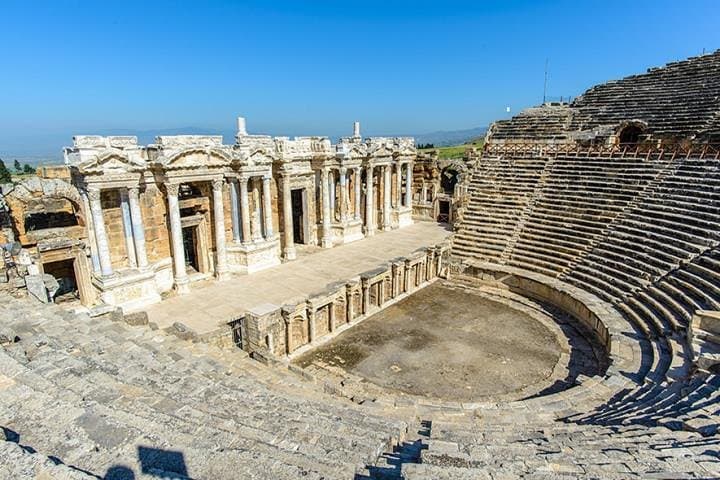
This four-day loop stitches together three of Turkey’s most cinematic environments. Pamukkale’s terraces are the visible result of calcium carbonate settling out of hot springs — a geological process that builds white travertine over time. Hierapolis, the adjacent Roman spa city, favors the language of empires: baths, necropolises and a theatre carved into the slope where rows once echoed with oratory. On the Aegean coast, Ephesus offers one of the world’s best-preserved Roman streetscapes. Walk where senators and shopkeepers once passed; imagine the scale when the theater held 25,000 people.
Then the country tightens inland into Cappadocia’s soft volcanic tuff, a landscape that human hands have reshaped for centuries. Underground cities like Derinkuyu show practical ingenuity — communities burrowed deep to survive raids — while Göreme’s rock churches preserve Byzantine frescoes that survived weather and war.
Culture here is tactile: a potter’s wheel in Avanos spins red river clay; a guide will point out pigeon holes carved by farmers who once used guano for fertilizer. Food follows the seasons — fresh figs, slow-cooked lamb, gözleme folded and hot from a griddle.
Practical edge: this isn’t a backpacker scramble but a paced small-group itinerary. Expect 2–4 hours of walking on most days, some on uneven surfaces and short stair climbs in archaeological sites. The optional hot-air balloon is weather dependent — book early in your trip if you want flexibility to reschedule. Flights between regions are included, and most days begin with an early pickup.
What to pack: breathable layers, a sun hat, sturdy walking shoes with good grip for travertine and ruins, and a compact daypack with water and sunscreen. Cameras and smartphones will be busy; bring spare batteries or a power bank.
Timing matters: Pamukkale is best early morning or late afternoon to avoid crowds and protect the fragile terraces from midday heat; Ephesus cools faster as shadow moves across the columns. In Cappadocia, sunrise is a calendar all its own — balloons dot the air and the valleys blush with light.
This itinerary is a condensation of Turkey’s long history and volatile geology — an accessible four-day primer for travelers who want culture, landscape and a steady rhythm of discovery.
moderate.
4 days.
Suitable for travelers who can handle 2–4 hours of walking on uneven surfaces per day and short stair climbs; basic mobility required.
The balloon is optional and not included in the standard package; it can be booked through the operator but is weather dependent.
Walking is moderate: expect uneven stone, stairs and short hikes; it’s suitable for most travelers with basic mobility.
Yes — round-trip domestic flights between regions are included as stated in the tour inclusions.
Yes — the operator provides meals and can usually accommodate dietary needs if notified at booking via 'SPECIAL_REQUIREMENTS.'
Each traveler is allowed one suitcase and one carry-on; oversized items over approximately 15 kg may be restricted — check with the supplier before travel.
Yes — entrance fees for the listed sites (Pamukkale, Hierapolis, Ephesus, Göreme Open-Air Museum, Derinkuyu) are included in the tour package.
This route traces layers of Anatolian history: Hellenistic and Roman Ephesus on the Aegean coast, Roman-Byzantine Hierapolis at mineral springs, and centuries of cave-dwelling culture carved into Cappadocia’s tuff.
Pamukkale’s travertine formations are fragile; visitors are directed to specific paths and barefoot areas to reduce erosion, and Cappadocia uses site limits to protect archaeological and geological features.
Travel Store Istanbul operates guided outdoor trips and adventures with an emphasis on safety, stewardship, and memorable experiences.
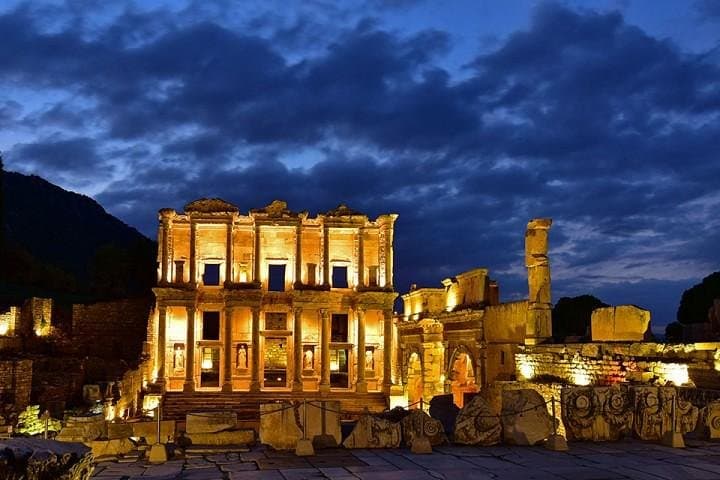
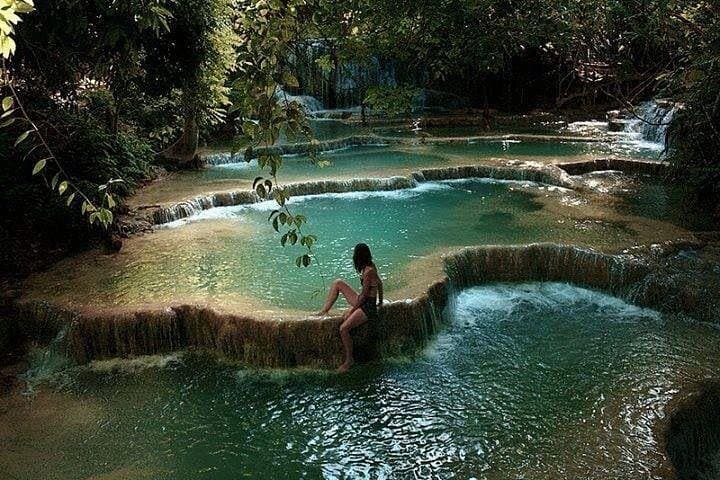
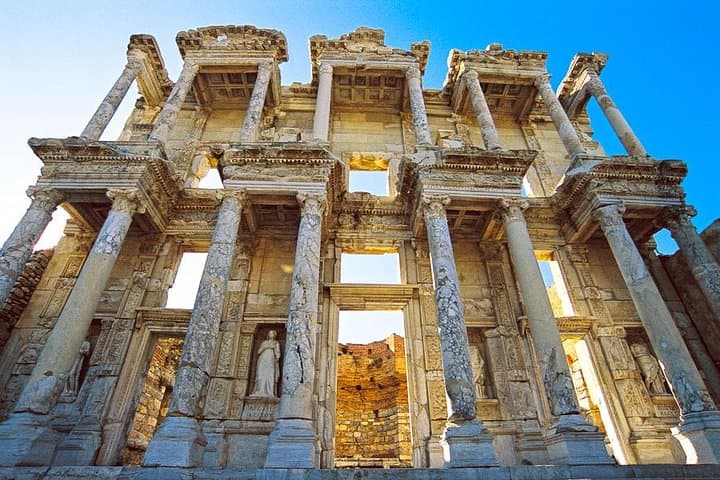
The first light hits Pamukkale like a slow exhale — a white cliffface catching the dawn and turning mineral-rich springs into mirror-flat pools. You step barefoot on warm travertine, each shallow terrace curving like a natural amphitheater that has been fed by the same waters for millennia. Later that day the gravel crunches differently beneath your shoes in Ephesus: here the marble streets still remember the footfalls of traders and pilgrims, and the façade of the Celsus Library leans into the square as if listening to the past.
The first light hits Pamukkale like a slow exhale — a white cliffface catching the dawn and turning mineral-rich springs into mirror-flat pools. You step barefoot on warm travertine, each shallow terrace curving like a natural amphitheater that has been fed by the same waters for millennia. Later that day the gravel crunches differently beneath your shoes in Ephesus: here the marble streets still remember the footfalls of traders and pilgrims, and the façade of the Celsus Library leans into the square as if listening to the past.
This four-day loop stitches together three of Turkey’s most cinematic environments. Pamukkale’s terraces are the visible result of calcium carbonate settling out of hot springs — a geological process that builds white travertine over time. Hierapolis, the adjacent Roman spa city, favors the language of empires: baths, necropolises and a theatre carved into the slope where rows once echoed with oratory. On the Aegean coast, Ephesus offers one of the world’s best-preserved Roman streetscapes. Walk where senators and shopkeepers once passed; imagine the scale when the theater held 25,000 people.
Then the country tightens inland into Cappadocia’s soft volcanic tuff, a landscape that human hands have reshaped for centuries. Underground cities like Derinkuyu show practical ingenuity — communities burrowed deep to survive raids — while Göreme’s rock churches preserve Byzantine frescoes that survived weather and war.
Culture here is tactile: a potter’s wheel in Avanos spins red river clay; a guide will point out pigeon holes carved by farmers who once used guano for fertilizer. Food follows the seasons — fresh figs, slow-cooked lamb, gözleme folded and hot from a griddle.
Practical edge: this isn’t a backpacker scramble but a paced small-group itinerary. Expect 2–4 hours of walking on most days, some on uneven surfaces and short stair climbs in archaeological sites. The optional hot-air balloon is weather dependent — book early in your trip if you want flexibility to reschedule. Flights between regions are included, and most days begin with an early pickup.
What to pack: breathable layers, a sun hat, sturdy walking shoes with good grip for travertine and ruins, and a compact daypack with water and sunscreen. Cameras and smartphones will be busy; bring spare batteries or a power bank.
Timing matters: Pamukkale is best early morning or late afternoon to avoid crowds and protect the fragile terraces from midday heat; Ephesus cools faster as shadow moves across the columns. In Cappadocia, sunrise is a calendar all its own — balloons dot the air and the valleys blush with light.
This itinerary is a condensation of Turkey’s long history and volatile geology — an accessible four-day primer for travelers who want culture, landscape and a steady rhythm of discovery.