THE ADVENTURE COLLECTIVE® · Independent discovery and booking for outdoor travel

In four days you can move from Cappadocia’s balloon-specked skylines to the marble grandeur of Ephesus and the white cascades of Pamukkale. This fast-paced package pairs domestic flights with licensed guides so you see the highlights without the highway hours.
In four days you can move from Cappadocia’s balloon-specked skylines to the marble grandeur of Ephesus and the white cascades of Pamukkale. This fast-paced package pairs domestic flights with licensed guides so you see the highlights without the highway hours.
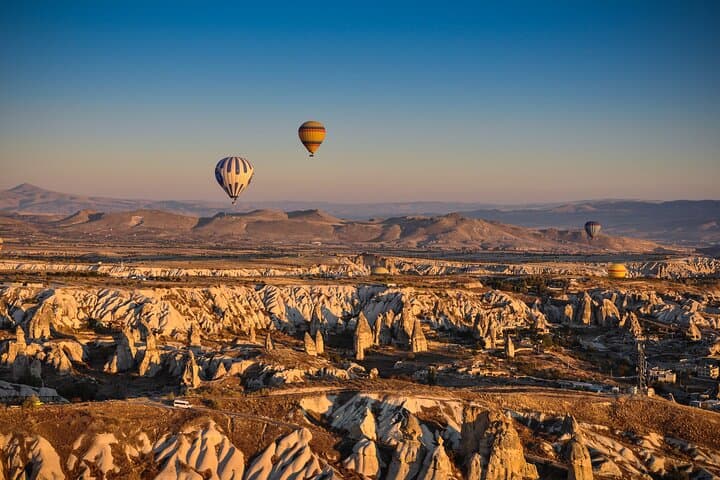
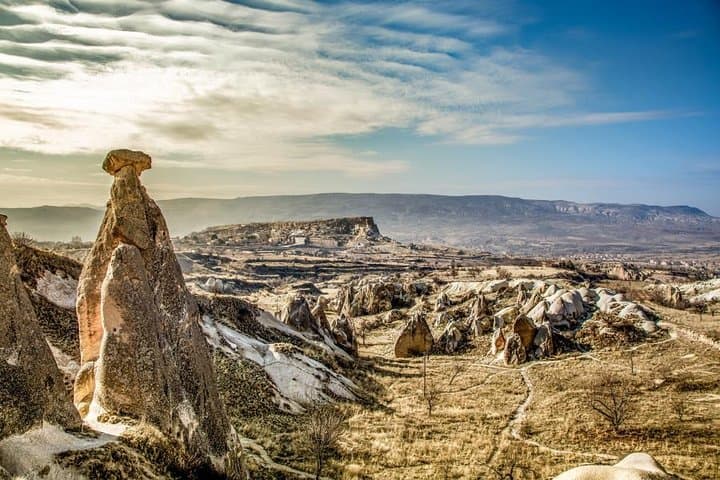
You step off an early flight into a sky threaded with balloons—the shapes drift like watchful skyliners above honeycombed tuff—and the limestone terraces of Pamukkale wait three days away. This is a condensed sweep through Turkey’s geological oddities and classical ruins: volcanic spires and fairy chimneys in Cappadocia, marble streets and libraries in Ephesus, and the white, calcium-sculpted pools of Pamukkale. The tour moves by plane between regions so you spend hours looking outward, not on the road.
Verified experiences and guided adventures in the surrounding area.
Operated by Travel Tips Turkey · Istanbul, Istanbul
You step off an early flight into a sky threaded with balloons—the shapes drift like watchful skyliners above honeycombed tuff—and the limestone terraces of Pamukkale wait three days away. This is a condensed sweep through Turkey’s geological oddities and classical ruins: volcanic spires and fairy chimneys in Cappadocia, marble streets and libraries in Ephesus, and the white, calcium-sculpted pools of Pamukkale. The tour moves by plane between regions so you spend hours looking outward, not on the road.
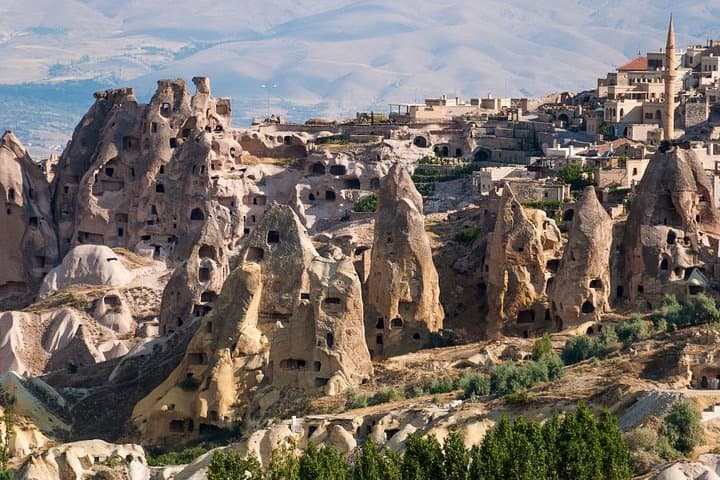
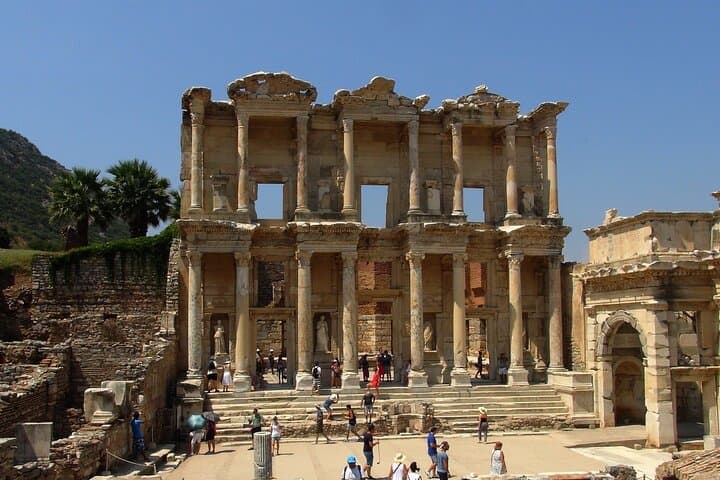
Cappadocia’s landscape began with eruptions millions of years ago; wind and rain carved tuff into cones that locals later hollowed into churches and homes. The Göreme Open Air Museum preserves Byzantine frescoes and cave sanctuaries that read like a compressed medieval monastery. Down on the Aegean coast, Ephesus was once a commercial powerhouse of Roman Asia Minor—its colonnaded streets and the Library of Celsus still articulate how wealth and urban planning met in marble. Pamukkale’s terraces are a different kind of monument: active mineral springs building white basins that fed the spa city of Hierapolis for centuries.
There’s culture in the small things along the route: Avanos potters shaping red-clay wares with a wrist-practice passed through generations; Kusadasi’s fish markets humming with fresh catch between Ephesus and the sea; local guides who read the chemistry in thermal pools and the iconography in a cave chapel in the same breath. Conservation is part of the story—access rules at Pamukkale and careful pathing at Göreme aim to protect fragile stone and fresco.
Practically, this package is designed for travelers who want a high-output itinerary with minimal overland fatigue: three nights’ accommodation (including a cave hotel in Cappadocia), domestic flights, guided tours, and most meals are included. Expect moderate walking—steps, low tunnels, and uneven paving are part of the experience—so bring sturdy shoes, a daypack, and layered clothes for temperature swings between morning flight terminals and sun-exposed ruins.
Timing matters: for photographs and cooler air, push for sunrise balloon views in Cappadocia and late afternoon at Ephesus when marble softens in the light. Respect site rules—bare feet are required on some Pamukkale terraces, and flash photography is restricted in certain churches. With a little planning, this compact loop delivers geology, history, and sensory contrast in four days—fast, informative, and unmistakably Turkish.
moderate.
4 days.
Moderate fitness; comfortable walking on uneven ground, some stair-climbing and short tunnels expected
Yes—domestic flights between Istanbul, Cappadocia, Izmir/Denizli, and the final return to Istanbul are included as listed in the itinerary.
No—the optional hot-air balloon flight in Cappadocia is not included and must be booked separately; it’s weather-dependent and can be canceled.
Standard allowance is 15 kg (33 lb) checked luggage and 8 kg (17 lb) hand luggage per person; extra fees at the airport may apply for overweight bags.
There is limited free time—most days are filled with guided visits and included meals, but short opportunities to explore towns like Avanos and Kusadasi are built in.
Breakfasts and lunches are included as noted (typically 3 breakfasts, 4 lunches across the program); dinners may be on your own in some locations.
Yes—inform the operator at booking of dietary needs so guides and hotels can arrange appropriate meals when possible.
Ephesus was a major Roman port and urban center; many of its grand public buildings date to the 1st and 2nd centuries CE. Pamukkale (Hierapolis) grew around thermal springs used since antiquity as healing baths.
Pamukkale’s travertines are managed with strict walkways and shoe rules to prevent erosion; visitors are asked to follow signage and use designated paths to protect fragile mineral formations.
Travel Tips Turkey operates guided outdoor trips and adventures with an emphasis on safety, stewardship, and memorable experiences.
You step off an early flight into a sky threaded with balloons—the shapes drift like watchful skyliners above honeycombed tuff—and the limestone terraces of Pamukkale wait three days away. This is a condensed sweep through Turkey’s geological oddities and classical ruins: volcanic spires and fairy chimneys in Cappadocia, marble streets and libraries in Ephesus, and the white, calcium-sculpted pools of Pamukkale. The tour moves by plane between regions so you spend hours looking outward, not on the road.
You step off an early flight into a sky threaded with balloons—the shapes drift like watchful skyliners above honeycombed tuff—and the limestone terraces of Pamukkale wait three days away. This is a condensed sweep through Turkey’s geological oddities and classical ruins: volcanic spires and fairy chimneys in Cappadocia, marble streets and libraries in Ephesus, and the white, calcium-sculpted pools of Pamukkale. The tour moves by plane between regions so you spend hours looking outward, not on the road.
Cappadocia’s landscape began with eruptions millions of years ago; wind and rain carved tuff into cones that locals later hollowed into churches and homes. The Göreme Open Air Museum preserves Byzantine frescoes and cave sanctuaries that read like a compressed medieval monastery. Down on the Aegean coast, Ephesus was once a commercial powerhouse of Roman Asia Minor—its colonnaded streets and the Library of Celsus still articulate how wealth and urban planning met in marble. Pamukkale’s terraces are a different kind of monument: active mineral springs building white basins that fed the spa city of Hierapolis for centuries.
There’s culture in the small things along the route: Avanos potters shaping red-clay wares with a wrist-practice passed through generations; Kusadasi’s fish markets humming with fresh catch between Ephesus and the sea; local guides who read the chemistry in thermal pools and the iconography in a cave chapel in the same breath. Conservation is part of the story—access rules at Pamukkale and careful pathing at Göreme aim to protect fragile stone and fresco.
Practically, this package is designed for travelers who want a high-output itinerary with minimal overland fatigue: three nights’ accommodation (including a cave hotel in Cappadocia), domestic flights, guided tours, and most meals are included. Expect moderate walking—steps, low tunnels, and uneven paving are part of the experience—so bring sturdy shoes, a daypack, and layered clothes for temperature swings between morning flight terminals and sun-exposed ruins.
Timing matters: for photographs and cooler air, push for sunrise balloon views in Cappadocia and late afternoon at Ephesus when marble softens in the light. Respect site rules—bare feet are required on some Pamukkale terraces, and flash photography is restricted in certain churches. With a little planning, this compact loop delivers geology, history, and sensory contrast in four days—fast, informative, and unmistakably Turkish.