THE ADVENTURE COLLECTIVE® · Independent discovery and booking for outdoor travel

Swap Tokyo’s neon for volcanic steam and a glassy lake: this four-day mini-group tour pairs the capital’s iconic shrines and markets with Hakone’s ropeway, Owakudani geothermal valley and a Lake Ashi cruise with Mount Fuji views. Practical, compact and transportive.
Swap Tokyo’s neon for volcanic steam and a glassy lake: this four-day mini-group tour pairs the capital’s iconic shrines and markets with Hakone’s ropeway, Owakudani geothermal valley and a Lake Ashi cruise with Mount Fuji views. Practical, compact and transportive.
A morning in Tokyo begins with the metallic hum of trains and the sharp aroma of grilled fish at Tsukiji Outer Market. Within hours you can trade neon neighborhoods for alpine breezes: the Hakone ropeway climbs as if pulled by the mountain itself, opening onto Owakudani’s sulfur-smoke gutters and distant glimpses of Mount Fuji.
Verified experiences and guided adventures in the surrounding area.
Operated by Travel China Guide · Hakone, Kanagawa Prefecture
A morning in Tokyo begins with the metallic hum of trains and the sharp aroma of grilled fish at Tsukiji Outer Market. Within hours you can trade neon neighborhoods for alpine breezes: the Hakone ropeway climbs as if pulled by the mountain itself, opening onto Owakudani’s sulfur-smoke gutters and distant glimpses of Mount Fuji.
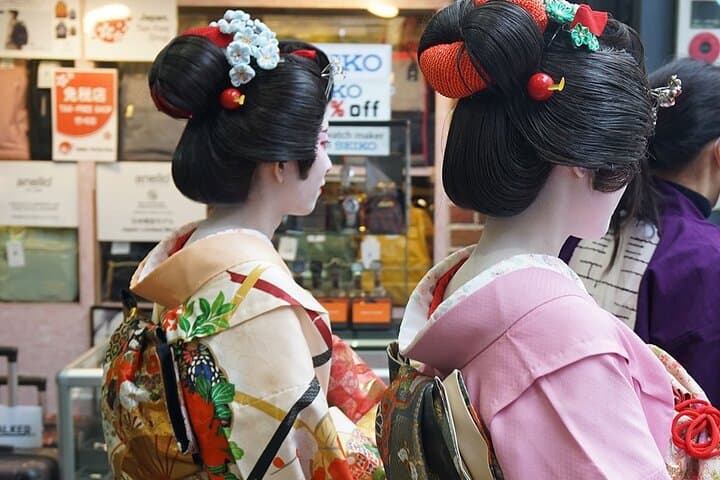
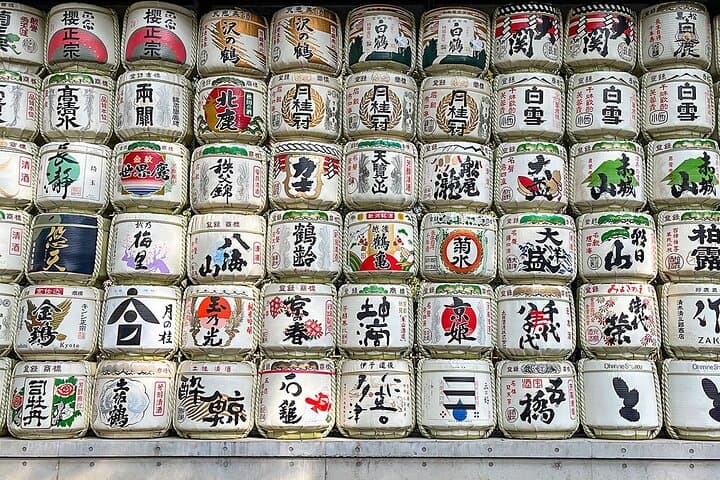
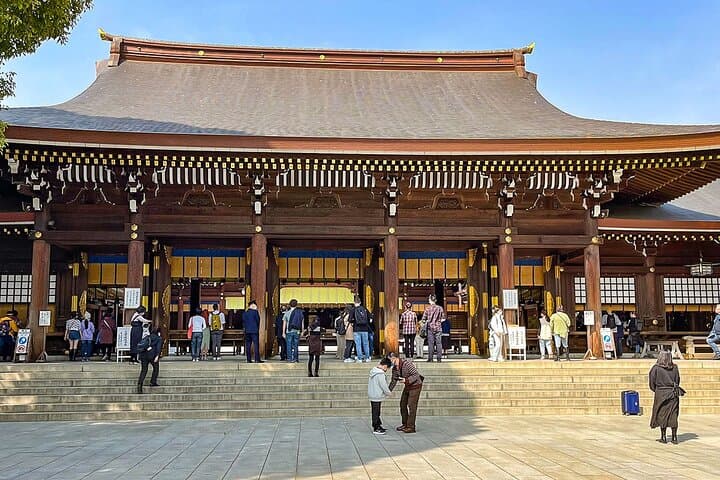
This four-day mini-group tour stitches together Tokyo’s modernity and Hakone’s volcanic geography. Meiji Jingu and Senso-ji display two faces of Tokyo — quiet Shinto ritual and the kinetic energy of Asakusa’s market streets. Hakone sits on the flank of an active volcanic zone; Owakudani’s fumaroles are reminders that this landscape is young and thermally alive. Lake Ashi, formed by past eruptions and landslides, offers a calm counterpoint aboard the Hakone “pirate ship,” a 30-minute cruise framing Fuji on clear days.
Culturally, pilgrims have long traveled to Fuji; the mountain remains a spiritual landmark and an artistic subject in ukiyo-e prints. Hakone was historically a post town on the Tokaido route, and that legacy shows in its inns and crafts.
Practical guidance: plan for variable weather and visibility — Fuji is best viewed on crisp mornings, especially in winter. Expect light walking around shrines and market streets; the Hakone segment involves short transfers, the Hakone Tozan Railway, a ropeway ascent to roughly 1,000 m, and a brief lake cruise. Pack a layered jacket, comfortable walking shoes, and a charged camera. Bring cash for local snacks (try the black eggs at Owakudani) and arrive at observation points early to beat crowds and clouds.
easy.
4 days.
Suitable for travellers in average walking shape; involves short walks, stairs and brief periods standing during transfers
No—visibility depends on weather and cloud cover. Winter mornings offer the clearest views, but clouds can obscure the summit any season; guides plan stops for the best chances.
The itinerary includes entrance fees for listed sights, public transportation fares during the tour, and select transfers as described; check the booking details for exact inclusions.
The tour is labeled easy and accessible for most fitness levels, but it includes stairs, short walks, and transfers; travelers with significant mobility limitations should contact the operator to confirm accommodations.
Breakfasts are included (three), and guides can usually help find suitable meal options, but notify the operator at booking to ensure needs are communicated to restaurants and hotels.
Hakone grew as an important Tokaido post town; Mount Fuji has been a spiritual and artistic icon for centuries and remains central to Japanese cultural identity.
Stay on marked paths, respect fumarole exclusion zones and decline collecting mineral specimens; local sites manage visitor numbers seasonally to protect fragile habitats.
Travel China Guide operates guided outdoor trips and adventures with an emphasis on safety, stewardship, and memorable experiences.
A morning in Tokyo begins with the metallic hum of trains and the sharp aroma of grilled fish at Tsukiji Outer Market. Within hours you can trade neon neighborhoods for alpine breezes: the Hakone ropeway climbs as if pulled by the mountain itself, opening onto Owakudani’s sulfur-smoke gutters and distant glimpses of Mount Fuji.
A morning in Tokyo begins with the metallic hum of trains and the sharp aroma of grilled fish at Tsukiji Outer Market. Within hours you can trade neon neighborhoods for alpine breezes: the Hakone ropeway climbs as if pulled by the mountain itself, opening onto Owakudani’s sulfur-smoke gutters and distant glimpses of Mount Fuji.
This four-day mini-group tour stitches together Tokyo’s modernity and Hakone’s volcanic geography. Meiji Jingu and Senso-ji display two faces of Tokyo — quiet Shinto ritual and the kinetic energy of Asakusa’s market streets. Hakone sits on the flank of an active volcanic zone; Owakudani’s fumaroles are reminders that this landscape is young and thermally alive. Lake Ashi, formed by past eruptions and landslides, offers a calm counterpoint aboard the Hakone “pirate ship,” a 30-minute cruise framing Fuji on clear days.
Culturally, pilgrims have long traveled to Fuji; the mountain remains a spiritual landmark and an artistic subject in ukiyo-e prints. Hakone was historically a post town on the Tokaido route, and that legacy shows in its inns and crafts.
Practical guidance: plan for variable weather and visibility — Fuji is best viewed on crisp mornings, especially in winter. Expect light walking around shrines and market streets; the Hakone segment involves short transfers, the Hakone Tozan Railway, a ropeway ascent to roughly 1,000 m, and a brief lake cruise. Pack a layered jacket, comfortable walking shoes, and a charged camera. Bring cash for local snacks (try the black eggs at Owakudani) and arrive at observation points early to beat crowds and clouds.