THE ADVENTURE COLLECTIVE® · Independent discovery and booking for outdoor travel

Four days of focused wildlife viewing carry you from Tarangire’s baobab plains through the Serengeti’s open grasslands to the unique ecosystem of Ngorongoro Crater. Expect early game drives, mid-range lodges, and guided viewing that prioritizes safety and close encounters with iconic African wildlife.
Four days of focused wildlife viewing carry you from Tarangire’s baobab plains through the Serengeti’s open grasslands to the unique ecosystem of Ngorongoro Crater. Expect early game drives, mid-range lodges, and guided viewing that prioritizes safety and close encounters with iconic African wildlife.
Morning light strips across the Serengeti as your vehicle eases onto a dusty track; dust lifts like pages turned. Over four days you move from Tarangire’s baobab-scattered flats to the open sweep of the Serengeti and down into the shadowed bowl of Ngorongoro, tracking elephants, lions and migratory herds.
Verified experiences and guided adventures in the surrounding area.
Operated by Suricata Safaris · Arusha, Arusha Region
Morning light strips across the Serengeti as your vehicle eases onto a dusty track; dust lifts like pages turned. Over four days you move from Tarangire’s baobab-scattered flats to the open sweep of the Serengeti and down into the shadowed bowl of Ngorongoro, tracking elephants, lions and migratory herds.
Tarangire’s shallow rivers and ancient baobabs shape animal movement; the park is quieter outside peak migration but rich with large elephant family groups. The Serengeti is a geological plain of volcanic soils and short grass that supports astonishing density of grazers, while Ngorongoro’s collapsed caldera preserves isolated ecosystems and Maasai cultural presence on its rim.
Expect early starts: game drives often begin before sunrise and run through the warm afternoon; packing layers for cool mornings and hot afternoons is essential. Lodges and camps provide three nights’ accommodation with meals and a certified guide; transportation between parks is by 4x4 on dirt roads, with picnic lunches in the bush. Bring binoculars, a camera with zoom, sunscreen and malaria prophylaxis as advised by your clinician. Respect wildlife distances and follow your guide’s instructions.
Timing matters: travel between June and October for drier conditions and the highest visibility of big cats and herds, though Tarangire can shine year-round. Vehicle windows and open roofs make photography practical but keep movements slow and quiet. Cash for park fees, tips and local purchases is helpful; Arusha serves as the main gateway. This compact itinerary is ideal for travelers seeking high-impact wildlife viewing without luxury pricing and convenient.
moderate.
4 days.
Light to moderate fitness; able to sit for long game drives and handle short walks at lodges.
Routine vaccines plus yellow fever proof if required; malaria prophylaxis is recommended—consult your travel clinic well before departure.
Yes, but check operator age restrictions and prepare for long drives and limited medical facilities; younger children should be supervised at all times.
Expect several hours of dirt-road driving between parks each day; travel is by 4x4 with wildlife viewing stops en route.
Park entry fees can be included or charged separately—confirm at booking and carry cash if fees are payable on arrival.
The Ngorongoro Crater formed from a collapsed volcanic mountain millions of years ago; Maasai communities have grazed the highlands for generations.
Parks balance tourism with conservation; stick to designated tracks, minimize noise, and avoid single-use plastics to reduce impact.
Suricata Safaris operates guided outdoor trips and adventures with an emphasis on safety, stewardship, and memorable experiences.
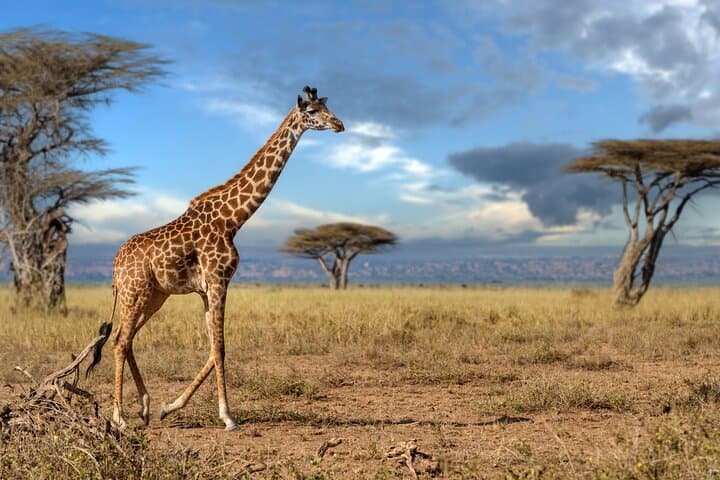
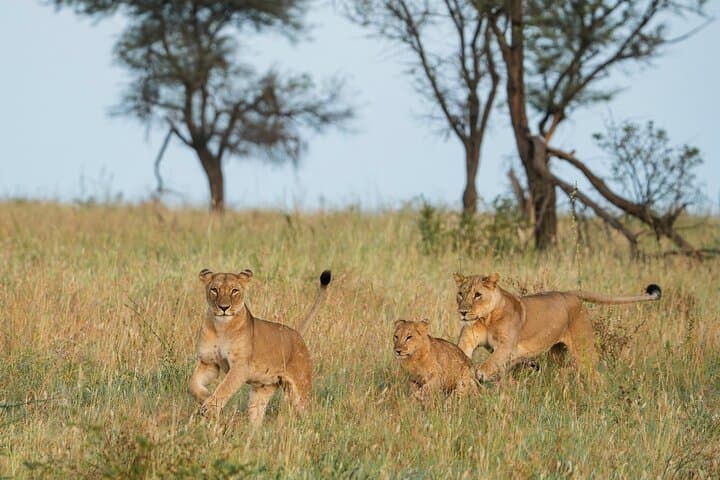
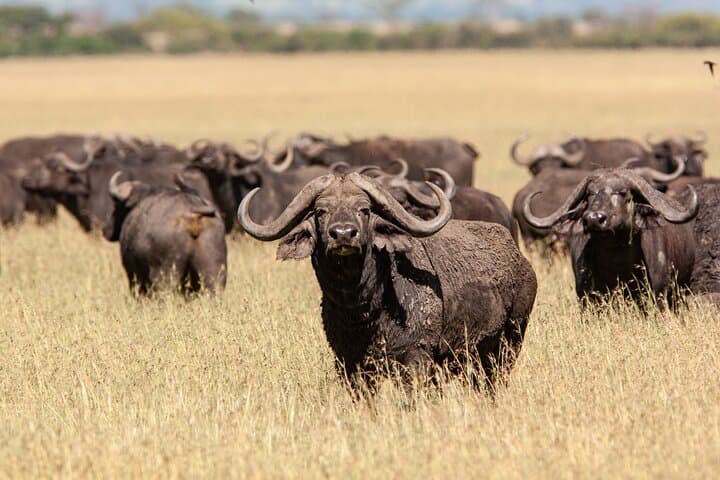
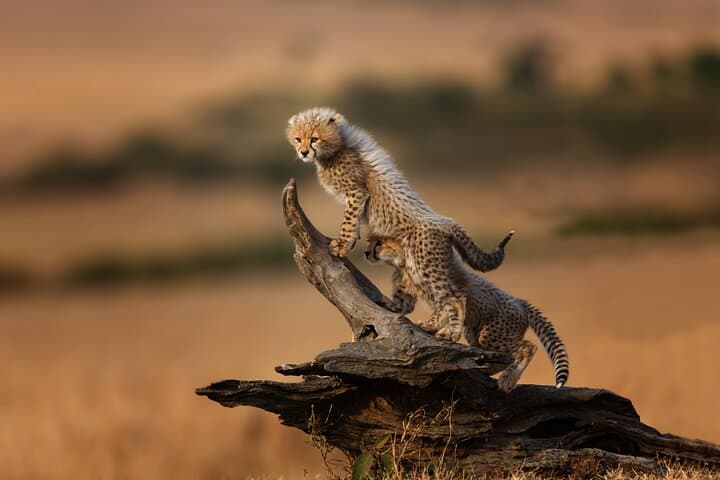
Morning light strips across the Serengeti as your vehicle eases onto a dusty track; dust lifts like pages turned. Over four days you move from Tarangire’s baobab-scattered flats to the open sweep of the Serengeti and down into the shadowed bowl of Ngorongoro, tracking elephants, lions and migratory herds.
Morning light strips across the Serengeti as your vehicle eases onto a dusty track; dust lifts like pages turned. Over four days you move from Tarangire’s baobab-scattered flats to the open sweep of the Serengeti and down into the shadowed bowl of Ngorongoro, tracking elephants, lions and migratory herds.
Tarangire’s shallow rivers and ancient baobabs shape animal movement; the park is quieter outside peak migration but rich with large elephant family groups. The Serengeti is a geological plain of volcanic soils and short grass that supports astonishing density of grazers, while Ngorongoro’s collapsed caldera preserves isolated ecosystems and Maasai cultural presence on its rim.
Expect early starts: game drives often begin before sunrise and run through the warm afternoon; packing layers for cool mornings and hot afternoons is essential. Lodges and camps provide three nights’ accommodation with meals and a certified guide; transportation between parks is by 4x4 on dirt roads, with picnic lunches in the bush. Bring binoculars, a camera with zoom, sunscreen and malaria prophylaxis as advised by your clinician. Respect wildlife distances and follow your guide’s instructions.
Timing matters: travel between June and October for drier conditions and the highest visibility of big cats and herds, though Tarangire can shine year-round. Vehicle windows and open roofs make photography practical but keep movements slow and quiet. Cash for park fees, tips and local purchases is helpful; Arusha serves as the main gateway. This compact itinerary is ideal for travelers seeking high-impact wildlife viewing without luxury pricing and convenient.