THE ADVENTURE COLLECTIVE® · Independent discovery and booking for outdoor travel

Spend four days tracking wildlife through Tarangire, the Serengeti, Ngorongoro Crater and Lake Manyara. Expect long game drives, abundant elephants and the seasonal wildebeest migration — ideal for first-time safari travelers looking for concentrated wildlife viewing.
Spend four days tracking wildlife through Tarangire, the Serengeti, Ngorongoro Crater and Lake Manyara. Expect long game drives, abundant elephants and the seasonal wildebeest migration — ideal for first-time safari travelers looking for concentrated wildlife viewing.
Dawn breaks over acacia silhouettes as the Land Cruiser hums toward an open plain — the air tight with expectation and dust. Day one pushes north into Tarangire, where ancient baobabs tower and elephant herds amble like slow tides; days two and three move through the mosaic of the Serengeti and down into the bowl of Ngorongoro Crater; the final morning opens toward Lake Manyara’s soda shores and its famous tree-climbing lions.
Verified experiences and guided adventures in the surrounding area.
Operated by Experience Zanzibar Tours & Safaris · Arusha, Arusha Region
Dawn breaks over acacia silhouettes as the Land Cruiser hums toward an open plain — the air tight with expectation and dust. Day one pushes north into Tarangire, where ancient baobabs tower and elephant herds amble like slow tides; days two and three move through the mosaic of the Serengeti and down into the bowl of Ngorongoro Crater; the final morning opens toward Lake Manyara’s soda shores and its famous tree-climbing lions.
This route follows geology and migration. The Serengeti’s broad, gently rolling plains are the product of volcanic ash and long erosional cycles; Ngorongoro’s 600-meter crater walls are the collapsed caldera of a once-massive volcano and now hold a dense permanent wildlife population. The migration here is driven by rainfall and grass growth — calving peaks in the southern Serengeti from January to March, drawing predators and plains grazers in cyclical waves. Culturally, Maasai pastoralists maintain a visible presence on the Conservancy edges, and many lodges and camps source labor and produce locally.
Practical guidance: expect long game-drive days (multiple 4–6 hour drives), dusty roads, and early starts for best light and animal activity. Bring layered clothing for cool early mornings and hot afternoons, binoculars, sunscreen, and a camera with extra batteries. Hydrate, carry malaria prophylaxis advice from your clinician, and confirm which park fees and vehicle arrangements are included in your booking. Travel here rewards patience: wildlife often arrives on its own schedule, and the landscape watches back with an unhurried patience all its own.
easy.
4 days.
Reasonable mobility for long vehicle days and short walks; minimal hiking required but be prepared for early mornings and dusty roads.
The southern Serengeti calving season typically runs January–March; migration timing shifts with rainfall, so sightings vary — January–March increases chance of mass calving on the southern plains.
Many operators include park fees and lodge accommodations in the total tour price, but policies vary — confirm inclusions and any additional conservation levies with the tour operator before booking.
This itinerary involves long vehicle drives on uneven dirt roads; it is not recommended for travelers with spinal injuries or for pregnant travelers — consult your physician and the tour provider’s restrictions.
Consult a travel health clinic for current vaccine recommendations and malaria prophylaxis; Tanzania may require a yellow fever certificate for travelers arriving from infected countries, and routine vaccinations should be up to date.
Ngorongoro Crater formed from a massive volcanic collapse; the Ngorongoro Conservation Area later combined wildlife protection with traditional Maasai grazing rights.
The migration and resident herds depend on protected corridors and seasonal grazing lands; choose operators that support local conservation fees and community initiatives to reduce human-wildlife conflict.
Experience Zanzibar Tours & Safaris operates guided outdoor trips and adventures with an emphasis on safety, stewardship, and memorable experiences.
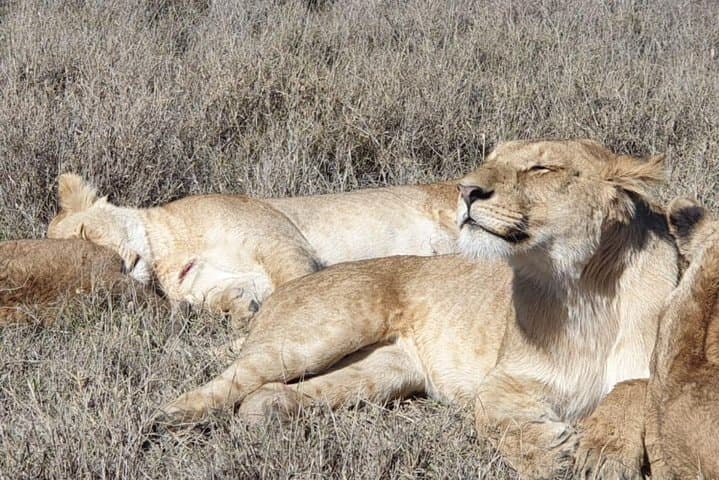
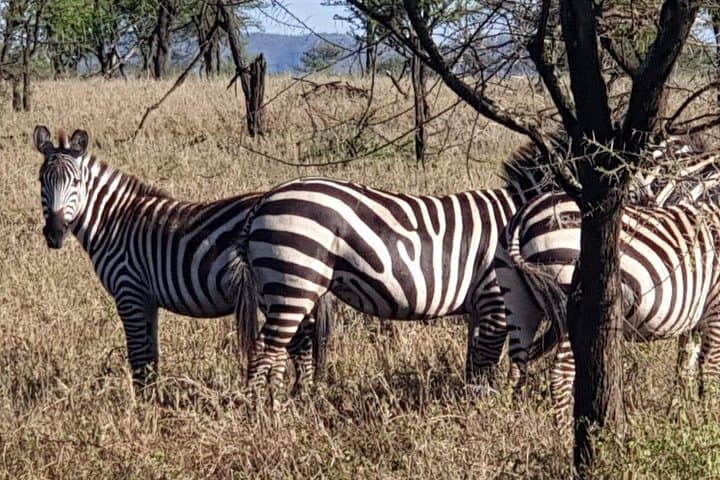
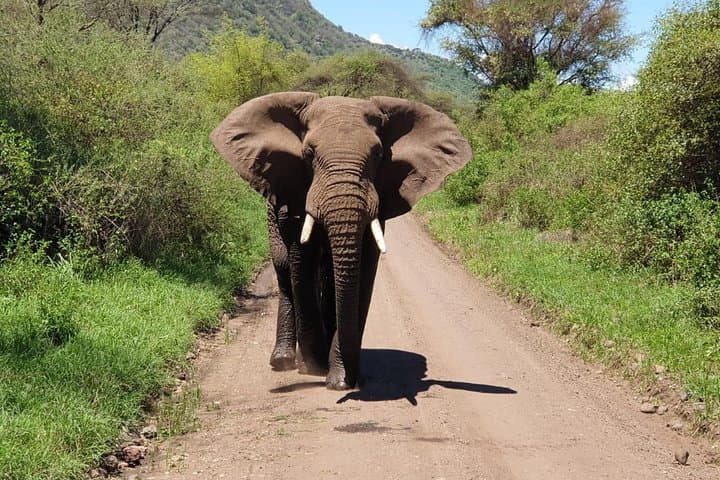
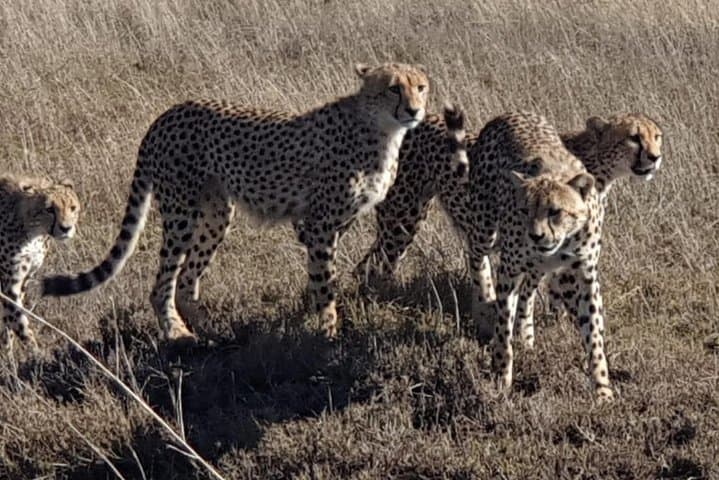
Dawn breaks over acacia silhouettes as the Land Cruiser hums toward an open plain — the air tight with expectation and dust. Day one pushes north into Tarangire, where ancient baobabs tower and elephant herds amble like slow tides; days two and three move through the mosaic of the Serengeti and down into the bowl of Ngorongoro Crater; the final morning opens toward Lake Manyara’s soda shores and its famous tree-climbing lions.
Dawn breaks over acacia silhouettes as the Land Cruiser hums toward an open plain — the air tight with expectation and dust. Day one pushes north into Tarangire, where ancient baobabs tower and elephant herds amble like slow tides; days two and three move through the mosaic of the Serengeti and down into the bowl of Ngorongoro Crater; the final morning opens toward Lake Manyara’s soda shores and its famous tree-climbing lions.
This route follows geology and migration. The Serengeti’s broad, gently rolling plains are the product of volcanic ash and long erosional cycles; Ngorongoro’s 600-meter crater walls are the collapsed caldera of a once-massive volcano and now hold a dense permanent wildlife population. The migration here is driven by rainfall and grass growth — calving peaks in the southern Serengeti from January to March, drawing predators and plains grazers in cyclical waves. Culturally, Maasai pastoralists maintain a visible presence on the Conservancy edges, and many lodges and camps source labor and produce locally.
Practical guidance: expect long game-drive days (multiple 4–6 hour drives), dusty roads, and early starts for best light and animal activity. Bring layered clothing for cool early mornings and hot afternoons, binoculars, sunscreen, and a camera with extra batteries. Hydrate, carry malaria prophylaxis advice from your clinician, and confirm which park fees and vehicle arrangements are included in your booking. Travel here rewards patience: wildlife often arrives on its own schedule, and the landscape watches back with an unhurried patience all its own.