THE ADVENTURE COLLECTIVE® · Independent discovery and booking for outdoor travel

A compact 4-day circuit from Arusha that visits Tarangire, Serengeti and the Ngorongoro Crater—ideal for first-time safari-goers who want concentrated wildlife viewing and classic East African landscapes. Expect early starts, long drives, and a mix of campsites and lodge stays.
A compact 4-day circuit from Arusha that visits Tarangire, Serengeti and the Ngorongoro Crater—ideal for first-time safari-goers who want concentrated wildlife viewing and classic East African landscapes. Expect early starts, long drives, and a mix of campsites and lodge stays.
Dawn finds the safari jeep paused on a ridge as light pries open the horizon over endless grass. The engine hums low, the pop-up roof clicks into place, and a herd of elephants moves through a dust-lit valley like a slow river daring the plains to change. Tarangire’s baobabs lean into the wind; Serengeti kopjes catch the sun; below Ngorongoro’s rim the crater bowl holds permanent water and resident life.
Verified experiences and guided adventures in the surrounding area.
Operated by Simbaland Magic Tours · Arusha, Arusha Region
Dawn finds the safari jeep paused on a ridge as light pries open the horizon over endless grass. The engine hums low, the pop-up roof clicks into place, and a herd of elephants moves through a dust-lit valley like a slow river daring the plains to change. Tarangire’s baobabs lean into the wind; Serengeti kopjes catch the sun; below Ngorongoro’s rim the crater bowl holds permanent water and resident life.
This compact northern Tanzania circuit threads geology, culture and deep-time history: Ngorongoro is a collapsed volcanic caldera about 600–650 meters deep, Serengeti’s grasslands rest on ancient volcanic soils and scattered granite kopjes, and nearby Olduvai Gorge records early human history. Maasai communities still graze cattle along park edges, and park fees support conservation and local livelihoods.
Expect long driving windows—Arusha to Tarangire roughly 2 hours, Tarangire to central Serengeti a half to full day depending on route, and a descent of about 650 m into Ngorongoro crater for a half-day game drive. Terrain alternates between dusty tracks, grassy plains and rocky kopjes; early mornings are chilly, midday can be hot and dusty.
Practical guide: travel with layered clothing for pre-dawn cold and noon heat, bring a camera with a 200–400mm lens or good zoom, binoculars and sun protection. Carry cash for park fees and tips; vehicles with pop-up roofs make wildlife viewing and photography easier. Keep distance from wildlife, follow guides’ instructions, and hydrate steadily—long drives and African sun add up. With prepared gear and an early start you’ll trade hours in a jeep for unforgettable close encounters with the Big Five and the landscapes that shape them.
easy.
4 days.
Suitable for most fitness levels; expect multiple long drives (several hours/day) and short walking at campsites—basic mobility required.
Most tours begin and end in Arusha with hotel pickup included—confirm your pickup point at booking and provide flight details if using transfers.
The route visits areas with all Big Five species; sightings are never guaranteed but Tarangire, Serengeti and Ngorongoro each offer strong chances, including resident black rhino in Ngorongoro.
This itinerary includes lunches, breakfasts and most dinners as listed; park entry and conservation fees vary—confirm which fees are covered with the operator before departure.
The tour is suitable for children and most travelers but involves long vehicle hours and uneven terrain; travelers with serious cardiovascular issues should consult a physician—notify the operator of mobility needs.
The Olduvai Gorge nearby is a key paleoanthropological site; Maasai pastoral culture remains visible around park borders.
Ngorongoro is a conservation area balancing human land use and wildlife; support for local communities and regulated tourism are central to long-term protection and visitor experience.
Simbaland Magic Tours operates guided outdoor trips and adventures with an emphasis on safety, stewardship, and memorable experiences.
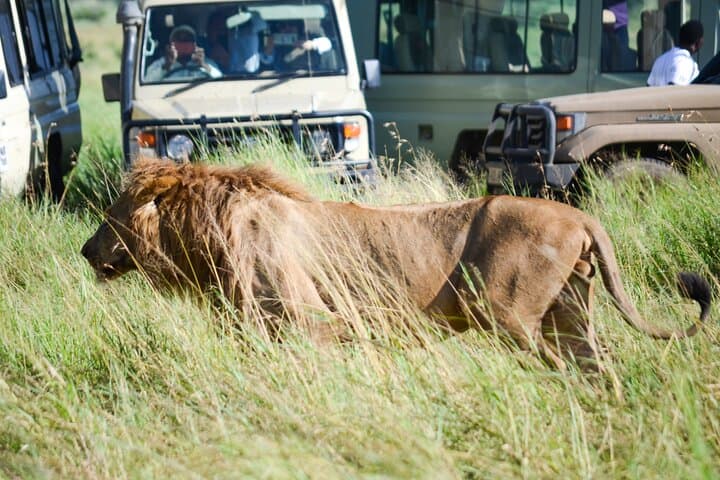
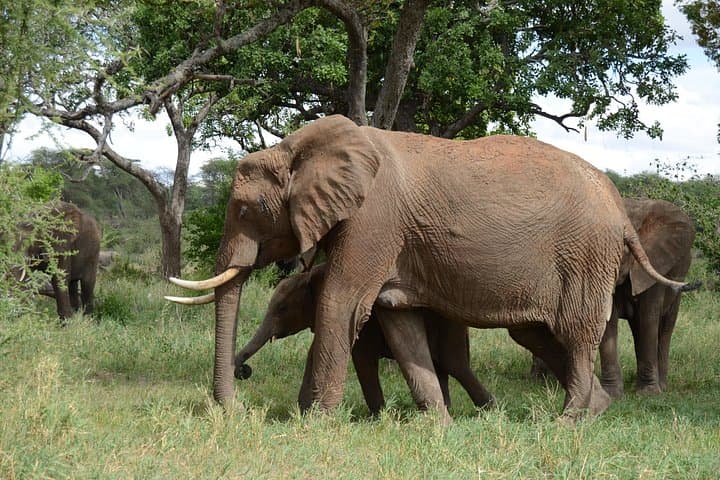
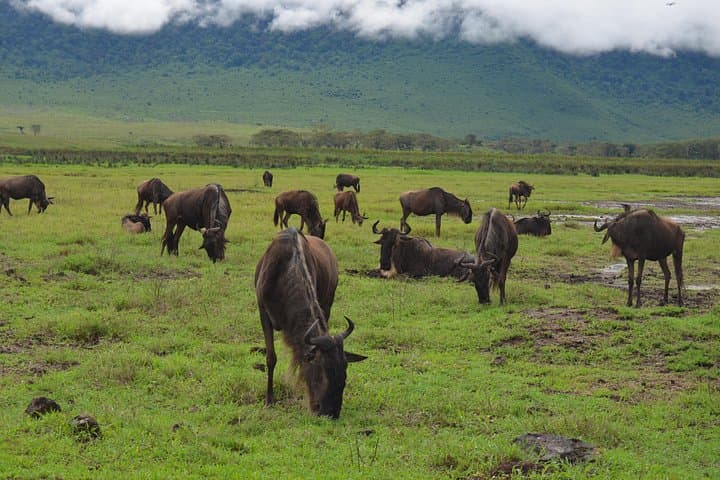
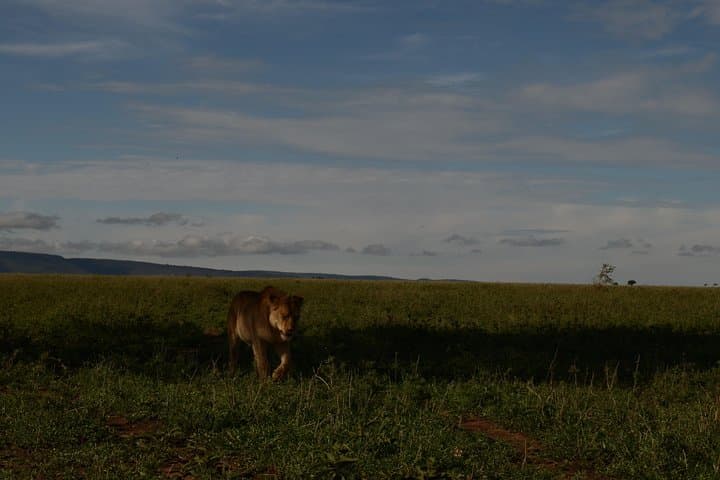
Dawn finds the safari jeep paused on a ridge as light pries open the horizon over endless grass. The engine hums low, the pop-up roof clicks into place, and a herd of elephants moves through a dust-lit valley like a slow river daring the plains to change. Tarangire’s baobabs lean into the wind; Serengeti kopjes catch the sun; below Ngorongoro’s rim the crater bowl holds permanent water and resident life.
Dawn finds the safari jeep paused on a ridge as light pries open the horizon over endless grass. The engine hums low, the pop-up roof clicks into place, and a herd of elephants moves through a dust-lit valley like a slow river daring the plains to change. Tarangire’s baobabs lean into the wind; Serengeti kopjes catch the sun; below Ngorongoro’s rim the crater bowl holds permanent water and resident life.
This compact northern Tanzania circuit threads geology, culture and deep-time history: Ngorongoro is a collapsed volcanic caldera about 600–650 meters deep, Serengeti’s grasslands rest on ancient volcanic soils and scattered granite kopjes, and nearby Olduvai Gorge records early human history. Maasai communities still graze cattle along park edges, and park fees support conservation and local livelihoods.
Expect long driving windows—Arusha to Tarangire roughly 2 hours, Tarangire to central Serengeti a half to full day depending on route, and a descent of about 650 m into Ngorongoro crater for a half-day game drive. Terrain alternates between dusty tracks, grassy plains and rocky kopjes; early mornings are chilly, midday can be hot and dusty.
Practical guide: travel with layered clothing for pre-dawn cold and noon heat, bring a camera with a 200–400mm lens or good zoom, binoculars and sun protection. Carry cash for park fees and tips; vehicles with pop-up roofs make wildlife viewing and photography easier. Keep distance from wildlife, follow guides’ instructions, and hydrate steadily—long drives and African sun add up. With prepared gear and an early start you’ll trade hours in a jeep for unforgettable close encounters with the Big Five and the landscapes that shape them.