THE ADVENTURE COLLECTIVE® · Independent discovery and booking for outdoor travel

Four days exploring Tarangire’s baobab-studded plains and river corridors, with daily game drives, local cultural context, and skilled guides. Expect long days on rough tracks and high wildlife densities, especially elephants.
Four days exploring Tarangire’s baobab-studded plains and river corridors, with daily game drives, local cultural context, and skilled guides. Expect long days on rough tracks and high wildlife densities, especially elephants.
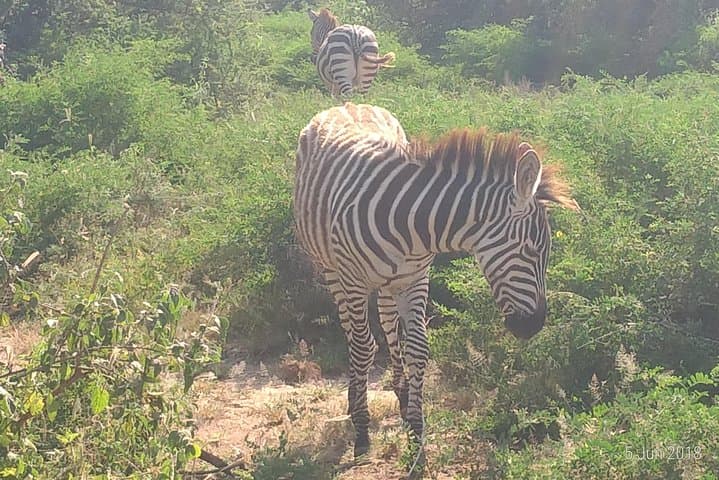
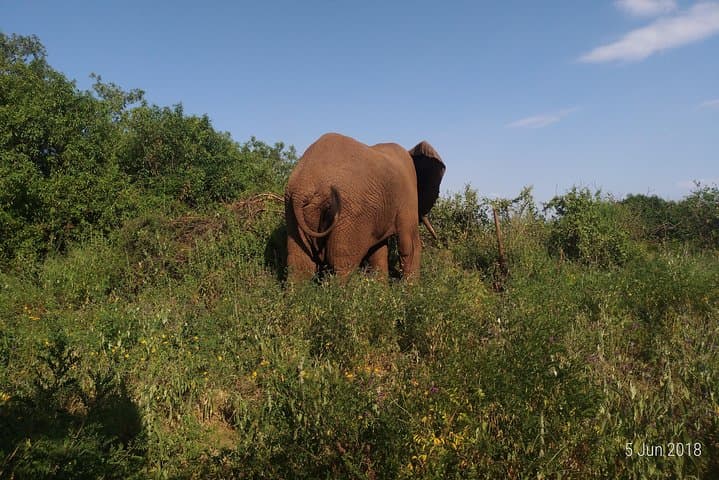
Dust lifts from the jeep as you push off the main road and into a landscape ruled by baobabs and a river that insists life continue. Over four days around Tarangire National Park the horizon moves slowly: herds of elephants crossing the dusty plain, yellow-billed oxpeckers clinging to hides, and the Tarangire River threading green through otherwise dry savanna.
Verified experiences and guided adventures in the surrounding area.
Operated by Mboni Adventures · Tarangire National Park, Manyara Region
Dust lifts from the jeep as you push off the main road and into a landscape ruled by baobabs and a river that insists life continue. Over four days around Tarangire National Park the horizon moves slowly: herds of elephants crossing the dusty plain, yellow-billed oxpeckers clinging to hides, and the Tarangire River threading green through otherwise dry savanna.
Tarangire sits in northern Tanzania’s rift-slope country. Geologically it’s a mosaic of ancient volcanic ash soils, red laterite tracks and seasonally inundated floodplains fed by springs and the eponymous river. People here are as much a part of the story as the wildlife — Maasai grazing cattle on the park’s edges have negotiated space with conservationists for decades, shaping both land use and local culture.
Expect long game drives each day (typically 4–6 hours on rough tracks), short guided walks at camps, and nightly lodging in tented or lodge accommodations. Trails are mostly vehicle tracks and short scrubby walks; elevation ranges around 1,000–1,400 m with minimal climbing but lots of jostling over rutted roads. Photographers should plan for strong midday light and dramatic late-afternoon shadows when predators become active.
Practical pointers: travel light but bring layered sun protection, a good pair of binoculars, and a refillable water bottle. Vehicles may be basic but guides are skilled at reading animal movements and river conditions. Mobile tickets and a 24-hour cancellation window make logistics simple — but be prepared for dusty roads and early mornings. This safari trades mountaintop exertion for patient vantage points and close, quiet encounters with big-game plains ecology.
challenging.
4 days.
Good overall fitness for long days in vehicle, short walks on uneven ground, and early starts; not technical but stamina is needed.
The itinerary includes 4 breakfasts, 4 lunches and 3 dinners as listed — confirm any dietary needs at booking.
While not technical, the tour requires stamina for long game-drive days and some short walks over uneven terrain; the operator marks it as physically hard.
Pickups are standard from Arusha/Moshi pickup points — you’ll specify a pickup location when booking.
Shared departures are limited to around 12 travelers, providing a small-group safari experience.
Tarangire’s river has long defined human and animal movement; Maasai pastoralists and early explorers shaped the park’s protected-area history in the 20th century.
The park balances tourism with community conservancies to reduce human-wildlife conflict and fund anti-poaching; stick to vehicle tracks to limit habitat disturbance.
Mboni Adventures operates guided outdoor trips and adventures with an emphasis on safety, stewardship, and memorable experiences.
Dust lifts from the jeep as you push off the main road and into a landscape ruled by baobabs and a river that insists life continue. Over four days around Tarangire National Park the horizon moves slowly: herds of elephants crossing the dusty plain, yellow-billed oxpeckers clinging to hides, and the Tarangire River threading green through otherwise dry savanna.
Dust lifts from the jeep as you push off the main road and into a landscape ruled by baobabs and a river that insists life continue. Over four days around Tarangire National Park the horizon moves slowly: herds of elephants crossing the dusty plain, yellow-billed oxpeckers clinging to hides, and the Tarangire River threading green through otherwise dry savanna.
Tarangire sits in northern Tanzania’s rift-slope country. Geologically it’s a mosaic of ancient volcanic ash soils, red laterite tracks and seasonally inundated floodplains fed by springs and the eponymous river. People here are as much a part of the story as the wildlife — Maasai grazing cattle on the park’s edges have negotiated space with conservationists for decades, shaping both land use and local culture.
Expect long game drives each day (typically 4–6 hours on rough tracks), short guided walks at camps, and nightly lodging in tented or lodge accommodations. Trails are mostly vehicle tracks and short scrubby walks; elevation ranges around 1,000–1,400 m with minimal climbing but lots of jostling over rutted roads. Photographers should plan for strong midday light and dramatic late-afternoon shadows when predators become active.
Practical pointers: travel light but bring layered sun protection, a good pair of binoculars, and a refillable water bottle. Vehicles may be basic but guides are skilled at reading animal movements and river conditions. Mobile tickets and a 24-hour cancellation window make logistics simple — but be prepared for dusty roads and early mornings. This safari trades mountaintop exertion for patient vantage points and close, quiet encounters with big-game plains ecology.