THE ADVENTURE COLLECTIVE® · Independent discovery and booking for outdoor travel

Four days across Sri Lanka’s Cultural Triangle—climb Sigiriya, cycle through Polonnaruwa’s ruins, explore Dambulla’s cave temples and end in Kandy—packed with history, local encounters and practical logistics for first-time visitors.
Four days across Sri Lanka’s Cultural Triangle—climb Sigiriya, cycle through Polonnaruwa’s ruins, explore Dambulla’s cave temples and end in Kandy—packed with history, local encounters and practical logistics for first-time visitors.
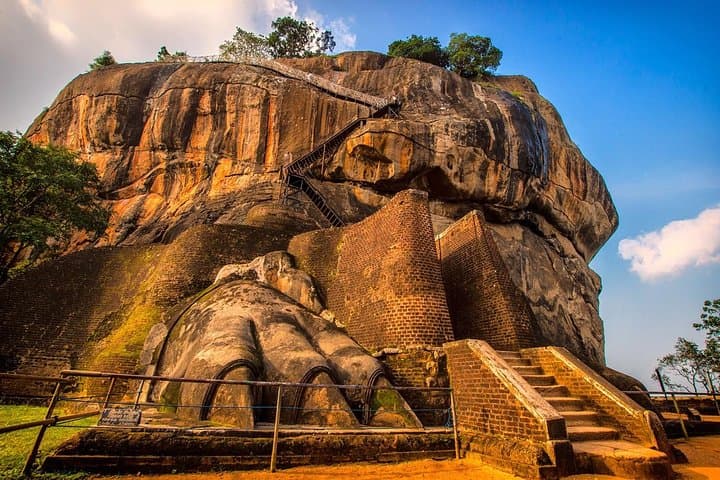
You emerge from the humid morning air into a kingdom of stone: Sigiriya’s ochre face rises like a defiant island from the flat plains, its iron ladders and terraces cutting a human line up a rock that seems to refuse time. Birds wheel above the water gardens below; the reservoir reflects temple roofs and a scattering of paddy fields. Over four days the island’s central belt unfolds with similar surprises—cave shrines, ruined capitals and a hill town that keeps one of Buddhism’s most important relics.
Verified experiences and guided adventures in the surrounding area.
Operated by Elephant Shadow Holidays & Tours (Pvt) Ltd · Sigiriya, Central Province
You emerge from the humid morning air into a kingdom of stone: Sigiriya’s ochre face rises like a defiant island from the flat plains, its iron ladders and terraces cutting a human line up a rock that seems to refuse time. Birds wheel above the water gardens below; the reservoir reflects temple roofs and a scattering of paddy fields. Over four days the island’s central belt unfolds with similar surprises—cave shrines, ruined capitals and a hill town that keeps one of Buddhism’s most important relics.
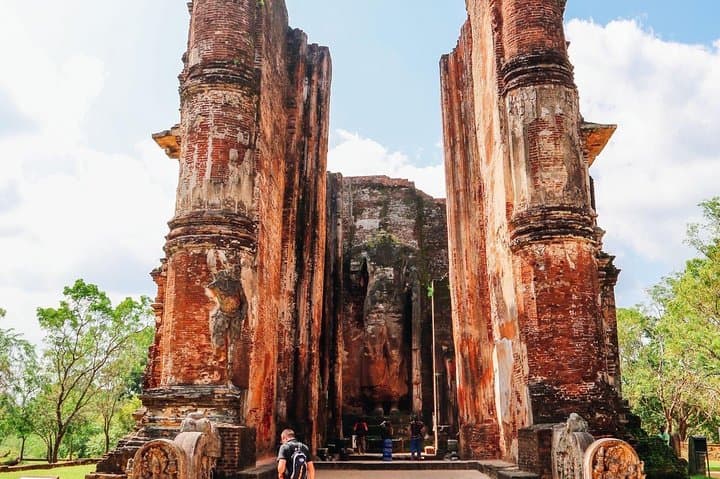
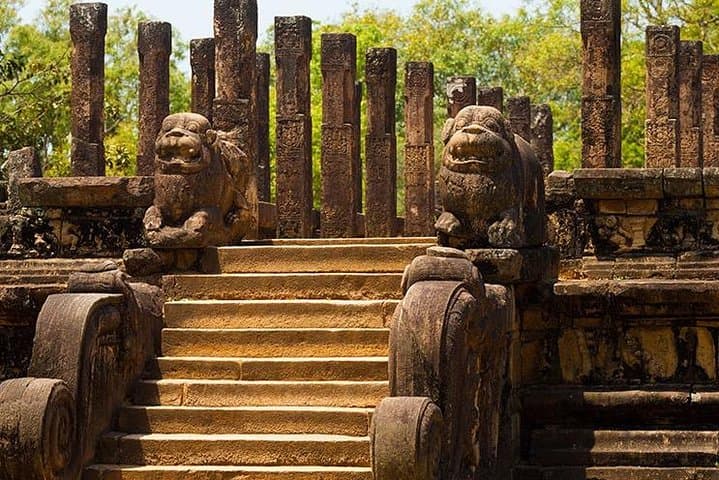
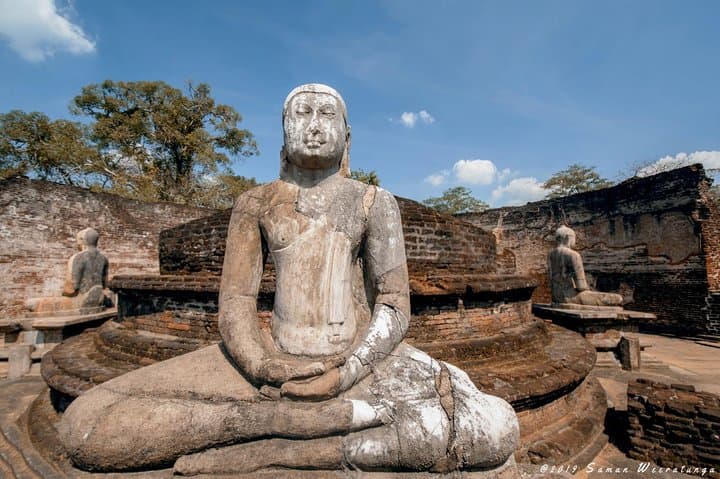
The route is compact but dense with history. Dambulla’s cave temple began as a solitary hermitage before kings grafted frescoes and Buddha statues into its vaulted rock, while Polonnaruwa, the medieval capital, lays out its ambition in stone—temple platforms, moonlike lotus ponds and the remains of royal baths. Sigiriya itself is late-5th-century engineering: a fortified palace complex with water gardens, terraced boulder faces and graffiti-like frescoes that survived monsoon and conquest. Kandy, up in the hills, is a different pulse—market streets, a cool lake and the Temple of the Sacred Tooth Relic, where incense and ritual draw a steady, respectful stream of pilgrims.
Geology is a quiet character here: the island’s ancient granite outcrops resist erosion and became natural strongholds for early rulers. Human ingenuity redirected monsoon water into symmetrical garden basins and irrigation tanks (wewas), a practice still powering villages today.
This private, four-day itinerary balances activity and context: a climb of Sigiriya (roughly 600 steps, ~200 meters elevation gain) that rewards panoramic plains views; a morning cycle through Polonnaruwa’s flat 8–12 km archaeological loop on low-traffic lanes; a village trek around Hiriwadunna’s reservoir with a bullock-cart ride; and an evening in Kandy to witness the city’s ritual cadence.
Practical guidance: start early to avoid midday heat—Sigiriya’s summit is best before 9:30 a.m. Wear sturdy, breathable shoes; steps are uneven and can be slippery when wet. Carry 2–3 liters of water per person for a full day in the Cultural Triangle, and use reef-safe sunscreen and insect repellent for village treks. Respect temple dress codes—shoulders and knees covered for visited shrines—and keep transactions small-cash friendly for markets and tips. The tour includes private A/C transport, entrance fees listed in the itinerary, three breakfasts and multiple meals, and pickup options near Colombo, Kandy or the airport.
For travelers who want history served with straightforward logistics, this itinerary compresses Sri Lanka’s cultural high points into four accessible days without skimping on local texture: spice gardens that still grind cinnamon by hand, reservoirs that hum with birdlife at dusk and villages where a shared lunch can be the day’s richest lesson.
moderate.
4 days.
Suitable for travelers who can handle multiple short hikes, a steep stair climb (~600 steps at Sigiriya) and several hours of walking or cycling.
Yes—the tour is available for a minimum of two passengers, but private bookings can sometimes be arranged; check booking terms and share flight details for pickup options.
The package includes entrance tickets listed in the itinerary and several meals (breakfasts, lunches and dinners noted); confirm specifics at booking.
Yes—pickup options cover Bandaranaike International Airport and hotels around Colombo, Kandy and down south; plan to be ready 30 minutes before departure time.
Expect about 600 metal and stone steps with some exposed sections; it's steep but non-technical—take breaks, and avoid climbing in heavy rain for safety.
The supplier marks parts of the logistics and transport as wheelchair accessible, but major sites like Sigiriya and some temple areas involve steps and uneven ground; discuss needs with the operator prior to booking.
Tipping is appreciated for guides and drivers (small, discretionary amounts). At religious sites, remove hats, speak quietly and follow local directions for photography and offerings.
The Cultural Triangle preserves Sri Lanka’s medieval capitals and monastic centers; Sigiriya was a 5th-century fortress-palace while Polonnaruwa served as a planned royal capital in the 11th–12th centuries.
Irrigation tanks and ancient water management remain essential to local agriculture; travelers should stick to marked paths, avoid single-use plastics and support local guides to ensure benefits stay in the community.
Elephant Shadow Holidays & Tours (Pvt) Ltd operates guided outdoor trips and adventures with an emphasis on safety, stewardship, and memorable experiences.
You emerge from the humid morning air into a kingdom of stone: Sigiriya’s ochre face rises like a defiant island from the flat plains, its iron ladders and terraces cutting a human line up a rock that seems to refuse time. Birds wheel above the water gardens below; the reservoir reflects temple roofs and a scattering of paddy fields. Over four days the island’s central belt unfolds with similar surprises—cave shrines, ruined capitals and a hill town that keeps one of Buddhism’s most important relics.
You emerge from the humid morning air into a kingdom of stone: Sigiriya’s ochre face rises like a defiant island from the flat plains, its iron ladders and terraces cutting a human line up a rock that seems to refuse time. Birds wheel above the water gardens below; the reservoir reflects temple roofs and a scattering of paddy fields. Over four days the island’s central belt unfolds with similar surprises—cave shrines, ruined capitals and a hill town that keeps one of Buddhism’s most important relics.
The route is compact but dense with history. Dambulla’s cave temple began as a solitary hermitage before kings grafted frescoes and Buddha statues into its vaulted rock, while Polonnaruwa, the medieval capital, lays out its ambition in stone—temple platforms, moonlike lotus ponds and the remains of royal baths. Sigiriya itself is late-5th-century engineering: a fortified palace complex with water gardens, terraced boulder faces and graffiti-like frescoes that survived monsoon and conquest. Kandy, up in the hills, is a different pulse—market streets, a cool lake and the Temple of the Sacred Tooth Relic, where incense and ritual draw a steady, respectful stream of pilgrims.
Geology is a quiet character here: the island’s ancient granite outcrops resist erosion and became natural strongholds for early rulers. Human ingenuity redirected monsoon water into symmetrical garden basins and irrigation tanks (wewas), a practice still powering villages today.
This private, four-day itinerary balances activity and context: a climb of Sigiriya (roughly 600 steps, ~200 meters elevation gain) that rewards panoramic plains views; a morning cycle through Polonnaruwa’s flat 8–12 km archaeological loop on low-traffic lanes; a village trek around Hiriwadunna’s reservoir with a bullock-cart ride; and an evening in Kandy to witness the city’s ritual cadence.
Practical guidance: start early to avoid midday heat—Sigiriya’s summit is best before 9:30 a.m. Wear sturdy, breathable shoes; steps are uneven and can be slippery when wet. Carry 2–3 liters of water per person for a full day in the Cultural Triangle, and use reef-safe sunscreen and insect repellent for village treks. Respect temple dress codes—shoulders and knees covered for visited shrines—and keep transactions small-cash friendly for markets and tips. The tour includes private A/C transport, entrance fees listed in the itinerary, three breakfasts and multiple meals, and pickup options near Colombo, Kandy or the airport.
For travelers who want history served with straightforward logistics, this itinerary compresses Sri Lanka’s cultural high points into four accessible days without skimping on local texture: spice gardens that still grind cinnamon by hand, reservoirs that hum with birdlife at dusk and villages where a shared lunch can be the day’s richest lesson.