THE ADVENTURE COLLECTIVE® · Independent discovery and booking for outdoor travel

Four days of rim views, slot-canyon light beams and the carved ridges of The Wave—this small-group tour threads Bryce, Zion, Antelope Canyon and more into a concentrated Southwestern highlight reel. Guides handle logistics; you bring stamina, a camera and curiosity.
Four days of rim views, slot-canyon light beams and the carved ridges of The Wave—this small-group tour threads Bryce, Zion, Antelope Canyon and more into a concentrated Southwestern highlight reel. Guides handle logistics; you bring stamina, a camera and curiosity.
Dawn arrives in a basin of red stone and the canyon walls glow like coals. You stand at a rim stacked with hoodoos, wind-worked pillars that lean and balance where centuries of frost and sun have carved them. On this four-day loop — a carefully paced braid of road, short hikes and slot-canyon light shows — the Southwest keeps revealing itself in chapters: Bryce’s amphitheaters at first light, the deliberate curves of Highway 12, the slick, striated waves of The Wave, and the narrow, river-smoothed corridors of Zion.
Verified experiences and guided adventures in the surrounding area.
Operated by Nomad Unlimited Adventure · Kanab, Utah
Dawn arrives in a basin of red stone and the canyon walls glow like coals. You stand at a rim stacked with hoodoos, wind-worked pillars that lean and balance where centuries of frost and sun have carved them. On this four-day loop — a carefully paced braid of road, short hikes and slot-canyon light shows — the Southwest keeps revealing itself in chapters: Bryce’s amphitheaters at first light, the deliberate curves of Highway 12, the slick, striated waves of The Wave, and the narrow, river-smoothed corridors of Zion.
Geology reads like a slow-motion drama here. Layers of Navajo Sandstone, Kayenta and the White Cliffs record ancient deserts, river channels and sea incursions. Horseshoe Bend shows the Colorado River still arguing with rock; Antelope and its slot canyons are the record of flash floods boring vertical scars that become shafts of light. The Wave’s banded curls are a fragile fresco — visited by a few each day by design to protect this erosional artwork.
Culture threads through the landscape. Navajo guides lead Antelope Canyon walks, translating place and practice: how light is part of ceremony and how sandstone has been both resource and story. The slow-settlement history — Mormon pioneers in Salt Lake City and small farming enclaves like Fruita in Capitol Reef — sits beside millennia of Indigenous presence and Fremont pictographs brushed into cliff faces.
Practical rhythm matters. This isn’t a sprint; it’s a rolling itinerary with drives and short, rewarding hikes. Your days alternate viewpoints and 1–3 mile loops: Navajo-Queen’s Garden in Bryce, a short scramble at Goblin Valley, a 1.5-mile walk to the Horseshoe Bend overlook, and slot-canyon navigation in Antelope. The Wave requires a lottery permit — only 20 visitors daily — so patience and contingency plans are part of the package. Guides handle logistics and many entrance fees, but bring your own water bladder, sun protection and camera gear.
Pack for extremes: sun and strong midday heat in summer, cold nights in spring and fall, and winter flash freezes in higher elevations. Footwear should be sturdy but broken-in; sand and slickrock demand traction more than ankle support. Hydrate before long stretches and start morning hikes at first light when temperatures and crowds are lowest. Respect permit rules and cultural sites: leave no trace, avoid climbing fragile fins, and follow your Navajo guide’s directions inside Antelope.
By the last evening, after a cup of coffee at a roadside stop and a low light shoot at Zion’s rim, the vastness is less a backdrop and more a companion: patient, changing, and insistently present. For four days it nudges you to slow your pace, read the rocks and move deliberately through some of the West’s most photographed — and most carefully managed — places.
moderate.
4 days.
Moderate fitness — able to handle several short hikes (1–4 miles) across uneven terrain and full-day driving segments.
Yes — The Wave is limited to 20 visitors per day via a permit lottery; your operator will attempt to secure permits but it’s not guaranteed, so expect alternate activities if unavailable.
Daily activity mixes short hikes of 1–4 miles with driving; expect several short, sometimes uneven walks rather than long backcountry treks.
Most national and state park entrance fees listed in the itinerary are included, though confirm specifics with the operator at booking.
Children under five may not be able to participate in all activities; contact the operator to discuss adjustments for young travelers.
Start hikes early, hydrate, pace yourself and carry electrolytes; altitude varies but is generally moderate — if you have health concerns consult your doctor and inform guides.
Yes — Antelope Canyon is led by Navajo guides and the Red Heritage show is presented by Indigenous performers; follow local guidance and photography rules inside cultural sites.
This region has been home to Indigenous peoples for millennia; later 19th-century Mormon settlers established agricultural pockets like Fruita and Salt Lake City became the regional gateway.
Limited permits at sites like The Wave and managed Navajo-led access at Antelope Canyon help protect fragile sandstone and cultural resources — practice leave no trace and follow guide instructions.
Nomad Unlimited Adventure operates guided outdoor trips and adventures with an emphasis on safety, stewardship, and memorable experiences.
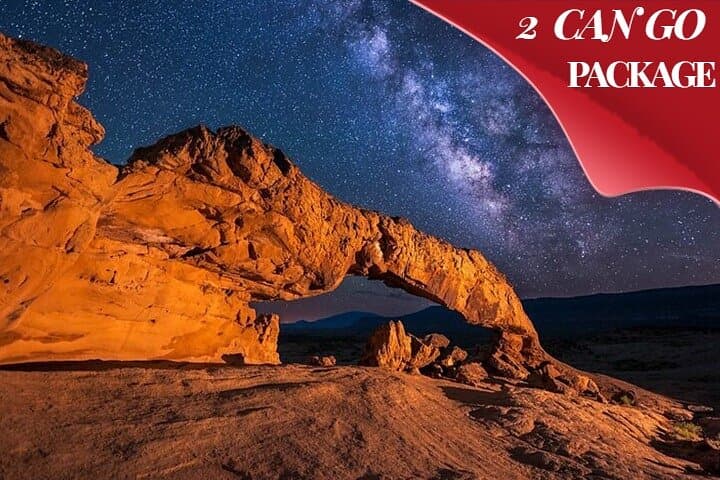
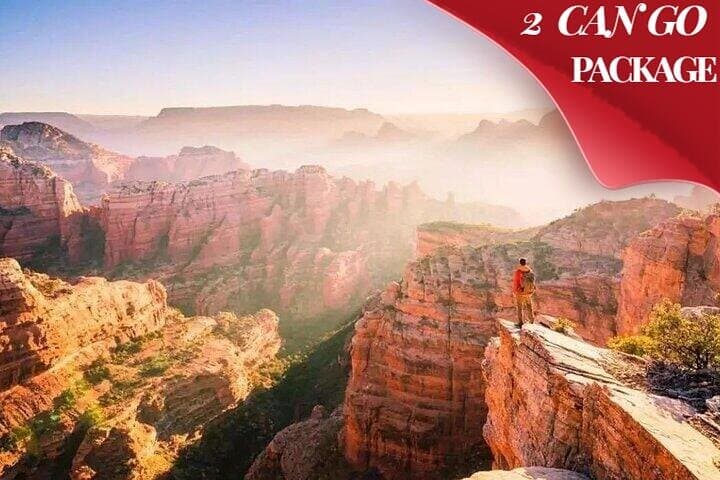
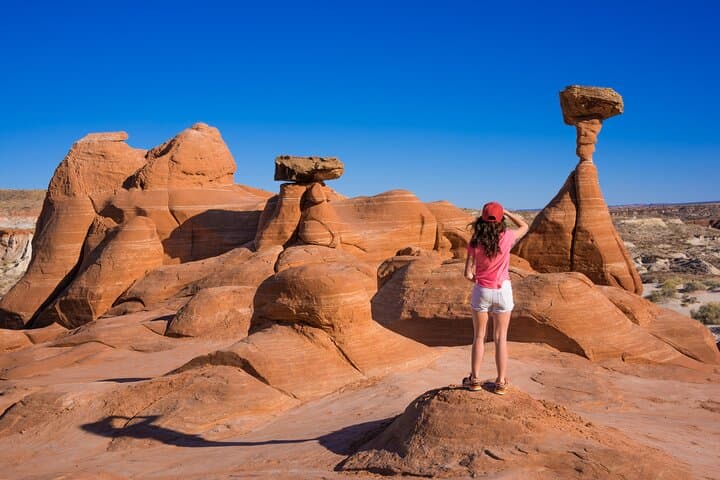
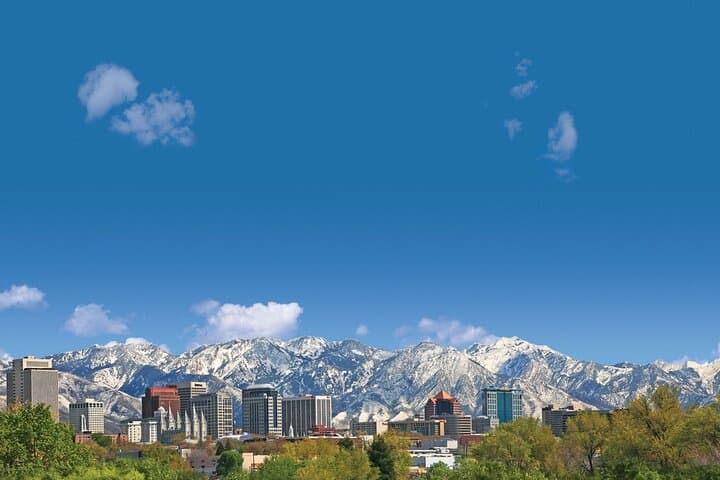
Dawn arrives in a basin of red stone and the canyon walls glow like coals. You stand at a rim stacked with hoodoos, wind-worked pillars that lean and balance where centuries of frost and sun have carved them. On this four-day loop — a carefully paced braid of road, short hikes and slot-canyon light shows — the Southwest keeps revealing itself in chapters: Bryce’s amphitheaters at first light, the deliberate curves of Highway 12, the slick, striated waves of The Wave, and the narrow, river-smoothed corridors of Zion.
Dawn arrives in a basin of red stone and the canyon walls glow like coals. You stand at a rim stacked with hoodoos, wind-worked pillars that lean and balance where centuries of frost and sun have carved them. On this four-day loop — a carefully paced braid of road, short hikes and slot-canyon light shows — the Southwest keeps revealing itself in chapters: Bryce’s amphitheaters at first light, the deliberate curves of Highway 12, the slick, striated waves of The Wave, and the narrow, river-smoothed corridors of Zion.
Geology reads like a slow-motion drama here. Layers of Navajo Sandstone, Kayenta and the White Cliffs record ancient deserts, river channels and sea incursions. Horseshoe Bend shows the Colorado River still arguing with rock; Antelope and its slot canyons are the record of flash floods boring vertical scars that become shafts of light. The Wave’s banded curls are a fragile fresco — visited by a few each day by design to protect this erosional artwork.
Culture threads through the landscape. Navajo guides lead Antelope Canyon walks, translating place and practice: how light is part of ceremony and how sandstone has been both resource and story. The slow-settlement history — Mormon pioneers in Salt Lake City and small farming enclaves like Fruita in Capitol Reef — sits beside millennia of Indigenous presence and Fremont pictographs brushed into cliff faces.
Practical rhythm matters. This isn’t a sprint; it’s a rolling itinerary with drives and short, rewarding hikes. Your days alternate viewpoints and 1–3 mile loops: Navajo-Queen’s Garden in Bryce, a short scramble at Goblin Valley, a 1.5-mile walk to the Horseshoe Bend overlook, and slot-canyon navigation in Antelope. The Wave requires a lottery permit — only 20 visitors daily — so patience and contingency plans are part of the package. Guides handle logistics and many entrance fees, but bring your own water bladder, sun protection and camera gear.
Pack for extremes: sun and strong midday heat in summer, cold nights in spring and fall, and winter flash freezes in higher elevations. Footwear should be sturdy but broken-in; sand and slickrock demand traction more than ankle support. Hydrate before long stretches and start morning hikes at first light when temperatures and crowds are lowest. Respect permit rules and cultural sites: leave no trace, avoid climbing fragile fins, and follow your Navajo guide’s directions inside Antelope.
By the last evening, after a cup of coffee at a roadside stop and a low light shoot at Zion’s rim, the vastness is less a backdrop and more a companion: patient, changing, and insistently present. For four days it nudges you to slow your pace, read the rocks and move deliberately through some of the West’s most photographed — and most carefully managed — places.