THE ADVENTURE COLLECTIVE® · Independent discovery and booking for outdoor travel

Spend four days crossing Ethiopia’s high escarpment on a demanding trek to Buwahit and Ras Dejen. Expect steep ridgelines, endemic wildlife (Walia ibex, geladas), mule-supported camps, and close cultural exchanges in mountain villages.
Spend four days crossing Ethiopia’s high escarpment on a demanding trek to Buwahit and Ras Dejen. Expect steep ridgelines, endemic wildlife (Walia ibex, geladas), mule-supported camps, and close cultural exchanges in mountain villages.
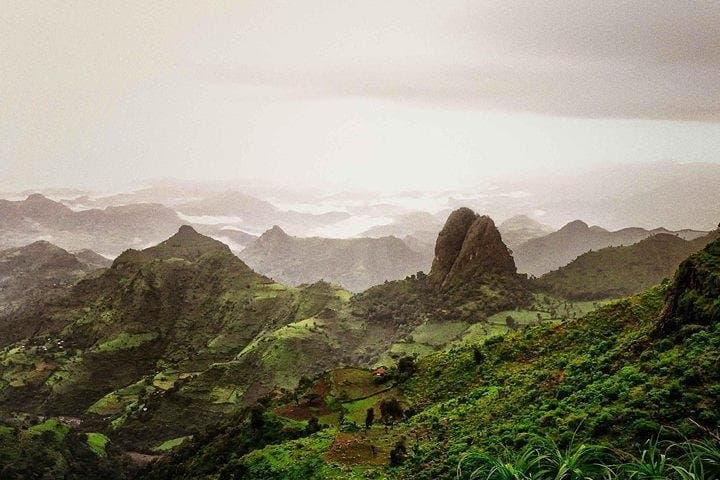
A cold light breaks across the high plateau and the Simien escarpment throws a long shadow down into the valleys below. On day one hikers step off a vehicle at Sankaber and immediately meet the range’s rhythm: steep ridgelines, sudden cliffs, and the chatter of gelada baboons that claim the grassy ledges. The Jinbar River dares the cliff’s edge with a waterfall that plunges toward the foothills, while distant domes and lava-carved buttresses keep watch.
Verified experiences and guided adventures in the surrounding area.
Operated by Ethio Travel And Tours · Debark, Amhara
A cold light breaks across the high plateau and the Simien escarpment throws a long shadow down into the valleys below. On day one hikers step off a vehicle at Sankaber and immediately meet the range’s rhythm: steep ridgelines, sudden cliffs, and the chatter of gelada baboons that claim the grassy ledges. The Jinbar River dares the cliff’s edge with a waterfall that plunges toward the foothills, while distant domes and lava-carved buttresses keep watch.
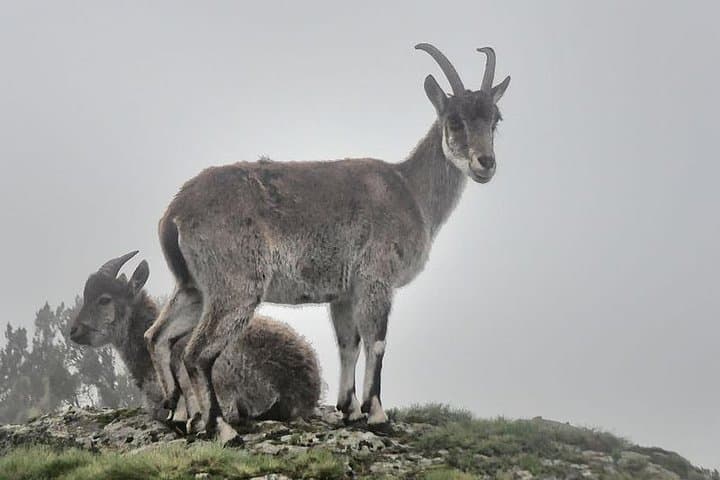
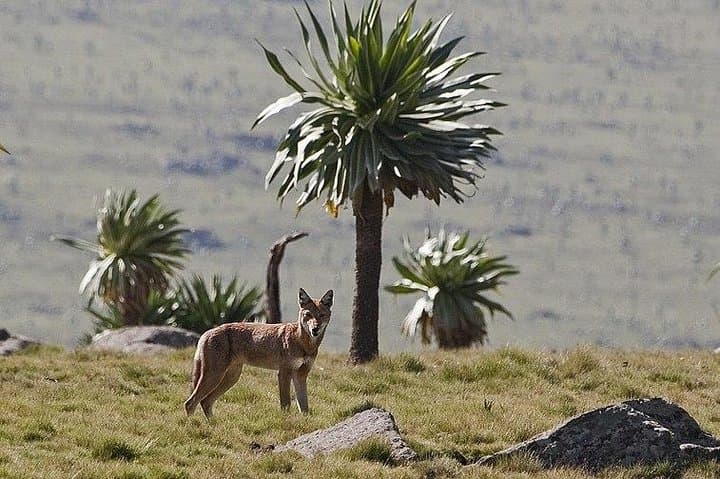
Designated a national park in 1966 and a UNESCO World Heritage site in 1978, the Simien Mountains are volcanic and heavily eroded — an abrupt escarpment cut into plateaus, towers and deep abyss-like valleys. Cultural life clings to small villages of barley and teff; visitors often share a traditional coffee ceremony in Gich and see muleteers moving camp gear along narrow trails. Wildlife is a primary draw: Walia ibex, gelada baboons and the lammergeier inhabit the cliffs and campsites.
Practically, expect four days of campsite-to-campsite trekking with high passes (summits near 4,070–4,430 m and Ras Dejen at 4,543 m visible), steep ascents and loose volcanic scree on descents. Permits and a park ranger are compulsory; mules carry heavy luggage but hikers should carry a daypack. Start early for views and wildlife activity, hydrate to manage altitude, and layer for sun, wind and sudden cold. Nights are camping nights; the outfit includes tents, sleeping mats and meals, but bring a warm sleeping bag, sturdy boots and a light first-aid kit. This is an alpine-grade trek: demanding but richly rewarded with dramatic geology, endemic wildlife and close cultural encounters.
challenging.
4 days.
Good cardiovascular fitness and experience with long days of uphill hiking at altitude; comfortable with 6–8 hour trekking days.
Previous experience with long hikes and altitude is strongly recommended; the itinerary reaches over 4,000 m and includes sustained ascents and descents.
Yes — park entrance fees and a compulsory park ranger are included in the trip inclusions.
Mules and muleteers transport heavy luggage and camp equipment; hikers should carry a daypack with essentials.
The trip provides tents, mattresses, sleeping bags, cooked meals and mineral water; expect simple but hearty Ethiopian-style camp meals.
The Simien range became Ethiopia’s first national park in 1966 and was inscribed as a UNESCO World Heritage site in 1978 for its unique geology and endemic species.
Park rules require rangers and limit off-trail impact; support local muleteers and use provided campsites to reduce erosion and disturbance.
Ethio Travel And Tours operates guided outdoor trips and adventures with an emphasis on safety, stewardship, and memorable experiences.

A cold light breaks across the high plateau and the Simien escarpment throws a long shadow down into the valleys below. On day one hikers step off a vehicle at Sankaber and immediately meet the range’s rhythm: steep ridgelines, sudden cliffs, and the chatter of gelada baboons that claim the grassy ledges. The Jinbar River dares the cliff’s edge with a waterfall that plunges toward the foothills, while distant domes and lava-carved buttresses keep watch.
A cold light breaks across the high plateau and the Simien escarpment throws a long shadow down into the valleys below. On day one hikers step off a vehicle at Sankaber and immediately meet the range’s rhythm: steep ridgelines, sudden cliffs, and the chatter of gelada baboons that claim the grassy ledges. The Jinbar River dares the cliff’s edge with a waterfall that plunges toward the foothills, while distant domes and lava-carved buttresses keep watch.
Designated a national park in 1966 and a UNESCO World Heritage site in 1978, the Simien Mountains are volcanic and heavily eroded — an abrupt escarpment cut into plateaus, towers and deep abyss-like valleys. Cultural life clings to small villages of barley and teff; visitors often share a traditional coffee ceremony in Gich and see muleteers moving camp gear along narrow trails. Wildlife is a primary draw: Walia ibex, gelada baboons and the lammergeier inhabit the cliffs and campsites.
Practically, expect four days of campsite-to-campsite trekking with high passes (summits near 4,070–4,430 m and Ras Dejen at 4,543 m visible), steep ascents and loose volcanic scree on descents. Permits and a park ranger are compulsory; mules carry heavy luggage but hikers should carry a daypack. Start early for views and wildlife activity, hydrate to manage altitude, and layer for sun, wind and sudden cold. Nights are camping nights; the outfit includes tents, sleeping mats and meals, but bring a warm sleeping bag, sturdy boots and a light first-aid kit. This is an alpine-grade trek: demanding but richly rewarded with dramatic geology, endemic wildlife and close cultural encounters.