THE ADVENTURE COLLECTIVE® · Independent discovery and booking for outdoor travel

A four-day route through Angkor’s major circuits that pairs sunrise Angkor Wat with remote ruins at Koh Ker and Beng Mealea. Expect long drives, uneven temple stones, sacred river carvings at Kulen, and a mix of crowded highlights and quiet exploration.
A four-day route through Angkor’s major circuits that pairs sunrise Angkor Wat with remote ruins at Koh Ker and Beng Mealea. Expect long drives, uneven temple stones, sacred river carvings at Kulen, and a mix of crowded highlights and quiet exploration.
You step from the air-conditioned van into a dust-sweet morning and the stone of Angkor seems to hold its breath. The first silhouette is Angkor Wat’s central towers cutting the sky; later that day roots and corridors at Ta Prohm will tug at your sleeves like a reluctant guide. Over four days you move from sunrise crowds to near-solitude in remote temple forests, and the land shifts from broad barays to the jungle-strangled ramps of Beng Mealea.
Verified experiences and guided adventures in the surrounding area.
Operated by Angkor Dynasty Travel · Siem Reap, Siem Reap Province
You step from the air-conditioned van into a dust-sweet morning and the stone of Angkor seems to hold its breath. The first silhouette is Angkor Wat’s central towers cutting the sky; later that day roots and corridors at Ta Prohm will tug at your sleeves like a reluctant guide. Over four days you move from sunrise crowds to near-solitude in remote temple forests, and the land shifts from broad barays to the jungle-strangled ramps of Beng Mealea.
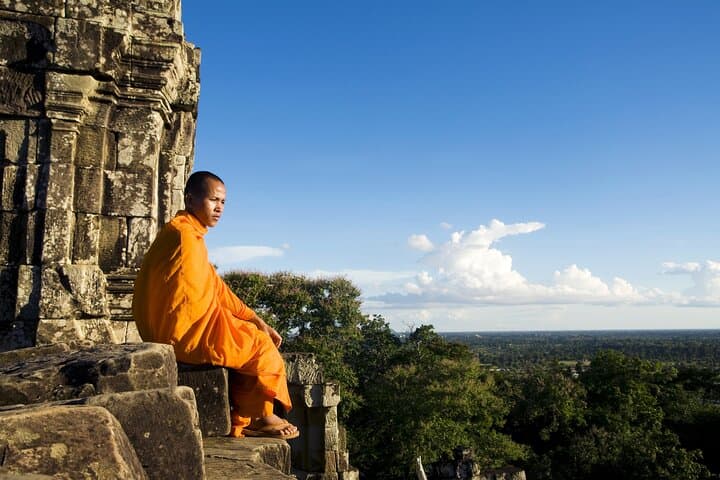
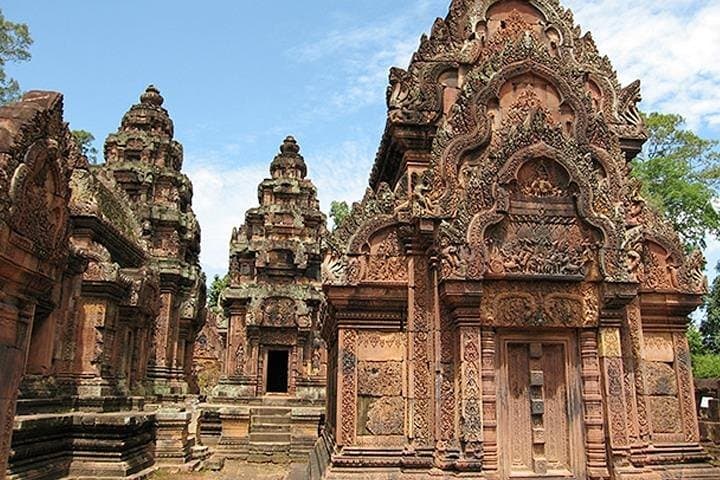
This circuit threads Khmer history across geology and time: Angkor’s 12th-century sandstone platforms, the pink sandstone reliefs of Banteay Srei, the riverbed lingas on Kulen Mountain where water has carved sacred motifs, and Koh Ker’s seven-tiered Prasat Thom—briefly the imperial capital in the 10th century. Local villages line the road; markets trade grilled fish and rice porridge, and guides translate both myth and masonry.
Practical edge: expect long days—multiple short walks of 20–120 minutes between sites, many uneven stones and steep temple steps but little elevation gain. Kulen is ~60 km from Siem Reap; Koh Ker is a long drive (120–150 km northeast) and rewards early starts. Temple admission fees are typically included in packaged tours (four-day pass around $72; Kulen fee $20 noted). Bring a refillable water bottle, sun protection, sturdy non-slip shoes, and a light rain layer in wet season. Start sunrises early, carry cash for village lunches (roughly $5–10/dish), and respect temple rules: no climbing on unrestored reliefs and dress modestly. The trip balances big-name highlights with remote, quiet ruins—the kind of exploration that feels both historic and immediate.
moderate.
4 days.
Moderate fitness: comfortable walking on uneven ground, climbing temple steps, and tolerating several multi-hour drives in one day.
This tour states that a 4-day temple admission pass (about $72) and Kulen Mountain fee ($20) are included—confirm at booking and keep your pass with you.
Expect long transfers: Kulen ~60 km from Angkor Park; Koh Ker is 120–150 km northeast and can take several hours each way, so be prepared for full driving days.
Not recommended for travelers with serious mobility or cardiovascular issues due to many steps, uneven ground, and long days; moderate fitness is advised.
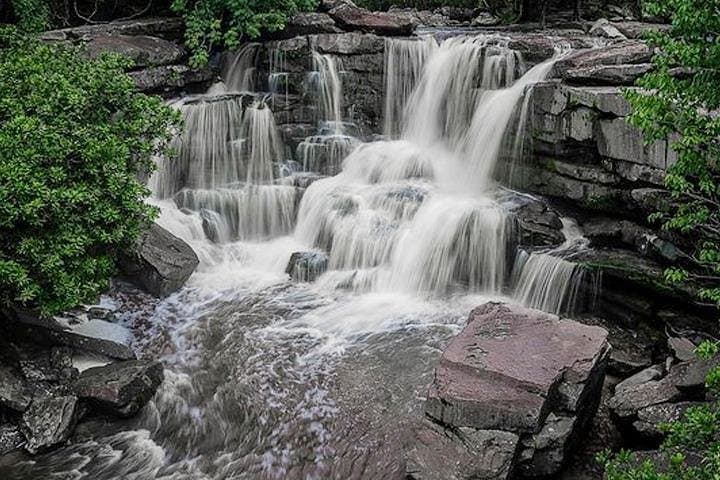
Yes, there are swimming areas at Kulen waterfall, but check local safety conditions and avoid swimming after heavy rains when currents strengthen.
The temples are relics of the Khmer Empire (9th–13th centuries); Koh Ker briefly served as the imperial capital in the early 10th century.
Visitor pressure stresses fragile stone and reliefs—stay on designated paths, avoid touching carvings, and support local guides and vendors to keep tourism sustainable.
Angkor Dynasty Travel operates guided outdoor trips and adventures with an emphasis on safety, stewardship, and memorable experiences.
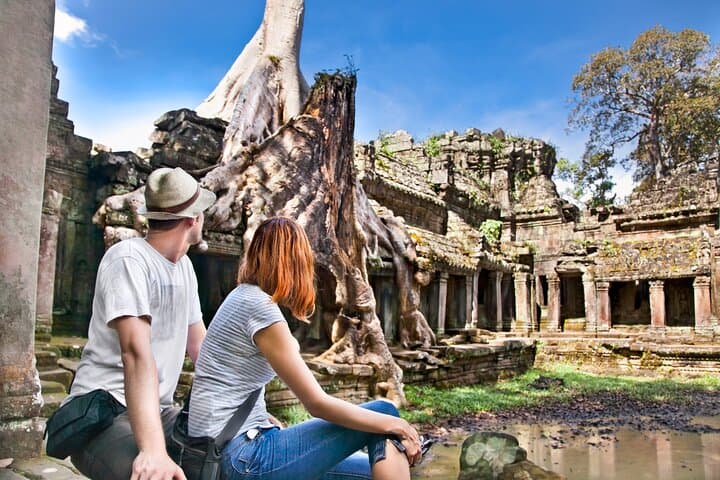
You step from the air-conditioned van into a dust-sweet morning and the stone of Angkor seems to hold its breath. The first silhouette is Angkor Wat’s central towers cutting the sky; later that day roots and corridors at Ta Prohm will tug at your sleeves like a reluctant guide. Over four days you move from sunrise crowds to near-solitude in remote temple forests, and the land shifts from broad barays to the jungle-strangled ramps of Beng Mealea.
You step from the air-conditioned van into a dust-sweet morning and the stone of Angkor seems to hold its breath. The first silhouette is Angkor Wat’s central towers cutting the sky; later that day roots and corridors at Ta Prohm will tug at your sleeves like a reluctant guide. Over four days you move from sunrise crowds to near-solitude in remote temple forests, and the land shifts from broad barays to the jungle-strangled ramps of Beng Mealea.
This circuit threads Khmer history across geology and time: Angkor’s 12th-century sandstone platforms, the pink sandstone reliefs of Banteay Srei, the riverbed lingas on Kulen Mountain where water has carved sacred motifs, and Koh Ker’s seven-tiered Prasat Thom—briefly the imperial capital in the 10th century. Local villages line the road; markets trade grilled fish and rice porridge, and guides translate both myth and masonry.
Practical edge: expect long days—multiple short walks of 20–120 minutes between sites, many uneven stones and steep temple steps but little elevation gain. Kulen is ~60 km from Siem Reap; Koh Ker is a long drive (120–150 km northeast) and rewards early starts. Temple admission fees are typically included in packaged tours (four-day pass around $72; Kulen fee $20 noted). Bring a refillable water bottle, sun protection, sturdy non-slip shoes, and a light rain layer in wet season. Start sunrises early, carry cash for village lunches (roughly $5–10/dish), and respect temple rules: no climbing on unrestored reliefs and dress modestly. The trip balances big-name highlights with remote, quiet ruins—the kind of exploration that feels both historic and immediate.