THE ADVENTURE COLLECTIVE® · Independent discovery and booking for outdoor travel

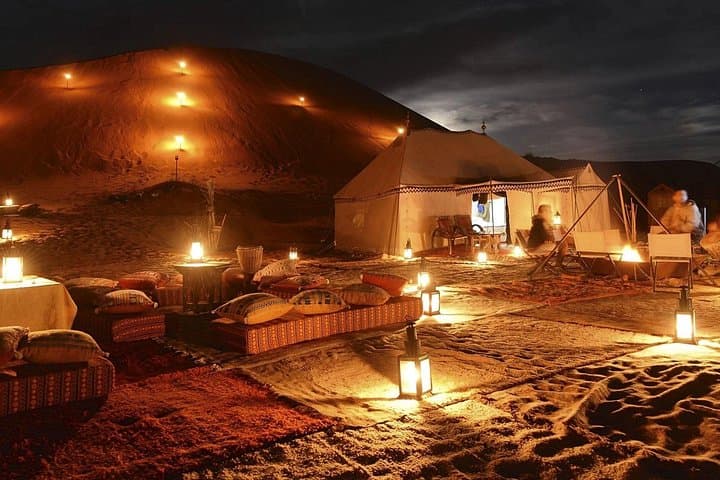
Follow the High Atlas from Marrakech to the wide sands of Erg Chebbi on this 4-day shared tour. Visit Aït Benhaddou, Dades Gorge, Ziz Oasis and sleep under the stars in a Merzouga desert camp.
Follow the High Atlas from Marrakech to the wide sands of Erg Chebbi on this 4-day shared tour. Visit Aït Benhaddou, Dades Gorge, Ziz Oasis and sleep under the stars in a Merzouga desert camp.
The sun peels back from the horizon as a train of camels steps into an ocean of orange—dunes fall and rise like slow waves, and the air tastes of sand and cedar smoke. A shared minivan leaves Marrakech, climbs the High Atlas, and trades olive groves for kasbah towns and the broad Ziz palm valley before arriving at Erg Chebbi near Merzouga.
Verified experiences and guided adventures in the surrounding area.
Operated by Marrakech Tours · Merzouga, Errachidia Province
The sun peels back from the horizon as a train of camels steps into an ocean of orange—dunes fall and rise like slow waves, and the air tastes of sand and cedar smoke. A shared minivan leaves Marrakech, climbs the High Atlas, and trades olive groves for kasbah towns and the broad Ziz palm valley before arriving at Erg Chebbi near Merzouga.
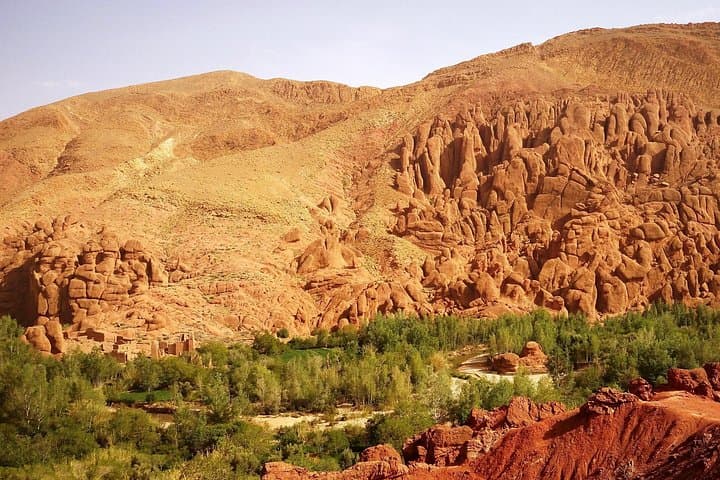
This route threads centuries of trade and geology: earthen kasbahs such as Aït Benhaddou mark former caravan crossroads, while the High and Middle Atlas fold upward from volcanic substrates into cedar forests and alpine plateaus. Local Berber villages still practice age-old crafts; mint tea and tagine punctuate long travel days.
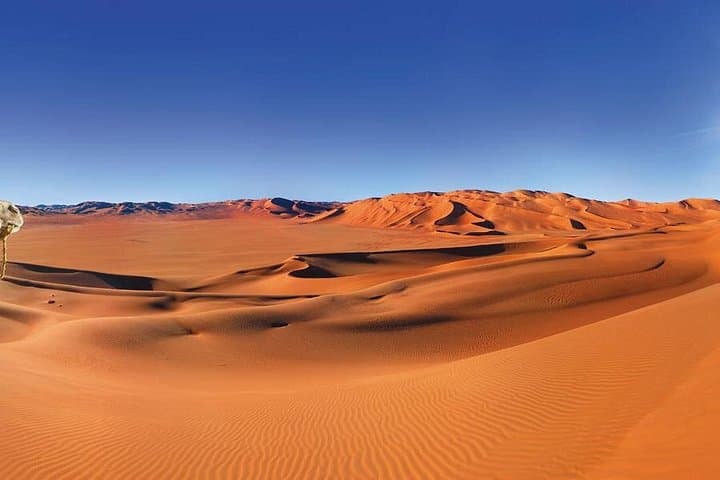
Expect long but scenic drives (most days 4–8 hours by road), short guided walks, a sunset camel trek, and a night in a desert camp under a wide sky. The dunes are wind-shaped quartz sand—stable enough for walking but prone to soft patches; mornings and evenings bring dramatic light and cooler air.
Practical notes: pack layered clothing for desert temperature swings, bring at least 2–3 liters of water per day, and secure dust protection for cameras and electronics. If you have limited mobility, the camel ride and some uneven paths may be challenging. The shared nature of the trip suits travelers who want a structured, cost-conscious way to see southern Morocco while still having free time in Merzouga for optional activities like quad biking.
This tour balances cultural sights—kasbahs, oases, mountain passes—with the elemental draw of the Sahara: long horizons, starlit silence, and the slow rhythm of dunes.
moderate.
4 days.
Suitable for travelers in average fitness; involves several hours of sitting during drives, short hikes on uneven dunes, and a camel trek.
Shared tours include pickup from central Marrakech locations; you’ll select a pickup point at booking and the operator confirms timing in advance.
Camel rides are short and paced slowly; mounting can be awkward for those with mobility limits, but handlers assist and the ride itself is gentle.
No—activities such as quad biking, sandboarding, and buggies in Merzouga are offered locally and charged separately.
Bring sleepwear, a warm layer, toiletries, and any medication; camps usually provide blankets but temperatures can still be chilly after midnight.
Kasbahs like Aït Benhaddou were fortified caravan towns along trans-Saharan trade routes and reflect centuries of mud-brick architecture and regional exchange.
The Sahara’s dunes and oases are fragile—stay on established tracks, limit water use, and support local guides and services that practice low-impact tourism.
Marrakech Tours operates guided outdoor trips and adventures with an emphasis on safety, stewardship, and memorable experiences.
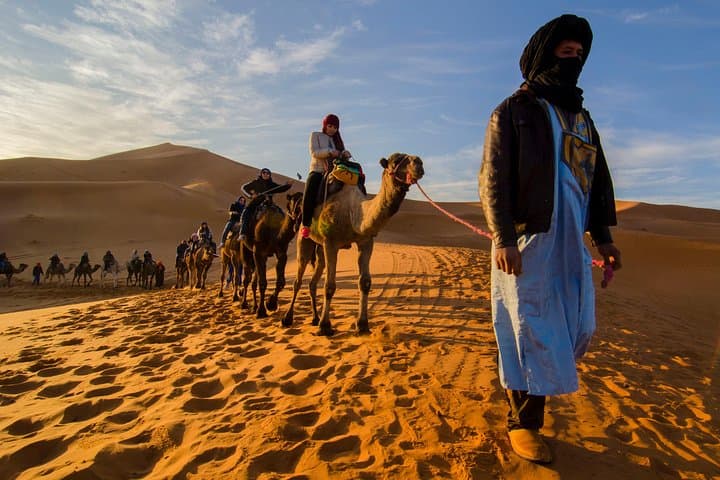
The sun peels back from the horizon as a train of camels steps into an ocean of orange—dunes fall and rise like slow waves, and the air tastes of sand and cedar smoke. A shared minivan leaves Marrakech, climbs the High Atlas, and trades olive groves for kasbah towns and the broad Ziz palm valley before arriving at Erg Chebbi near Merzouga.
The sun peels back from the horizon as a train of camels steps into an ocean of orange—dunes fall and rise like slow waves, and the air tastes of sand and cedar smoke. A shared minivan leaves Marrakech, climbs the High Atlas, and trades olive groves for kasbah towns and the broad Ziz palm valley before arriving at Erg Chebbi near Merzouga.
This route threads centuries of trade and geology: earthen kasbahs such as Aït Benhaddou mark former caravan crossroads, while the High and Middle Atlas fold upward from volcanic substrates into cedar forests and alpine plateaus. Local Berber villages still practice age-old crafts; mint tea and tagine punctuate long travel days.
Expect long but scenic drives (most days 4–8 hours by road), short guided walks, a sunset camel trek, and a night in a desert camp under a wide sky. The dunes are wind-shaped quartz sand—stable enough for walking but prone to soft patches; mornings and evenings bring dramatic light and cooler air.
Practical notes: pack layered clothing for desert temperature swings, bring at least 2–3 liters of water per day, and secure dust protection for cameras and electronics. If you have limited mobility, the camel ride and some uneven paths may be challenging. The shared nature of the trip suits travelers who want a structured, cost-conscious way to see southern Morocco while still having free time in Merzouga for optional activities like quad biking.
This tour balances cultural sights—kasbahs, oases, mountain passes—with the elemental draw of the Sahara: long horizons, starlit silence, and the slow rhythm of dunes.