THE ADVENTURE COLLECTIVE® · Independent discovery and booking for outdoor travel

Four days of game drives through Serengeti National Park take you from Arusha to the heart of the migration and the Big Five. Expect long drives, early mornings, vehicle-based wildlife viewing, and encounters with vast herds and apex predators.
Four days of game drives through Serengeti National Park take you from Arusha to the heart of the migration and the Big Five. Expect long drives, early mornings, vehicle-based wildlife viewing, and encounters with vast herds and apex predators.
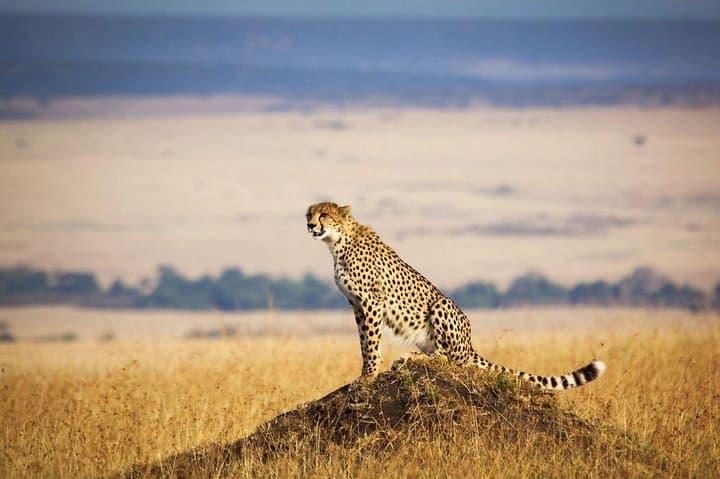
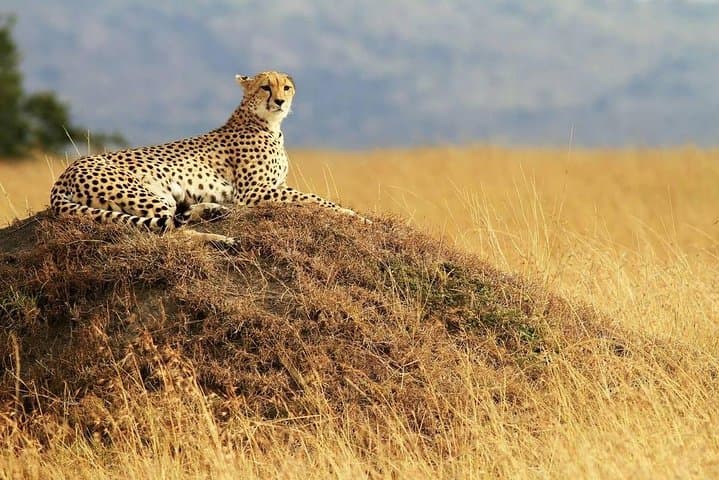
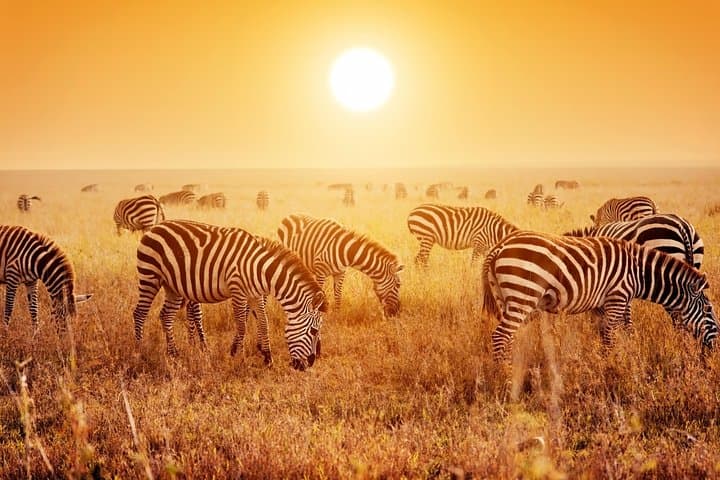
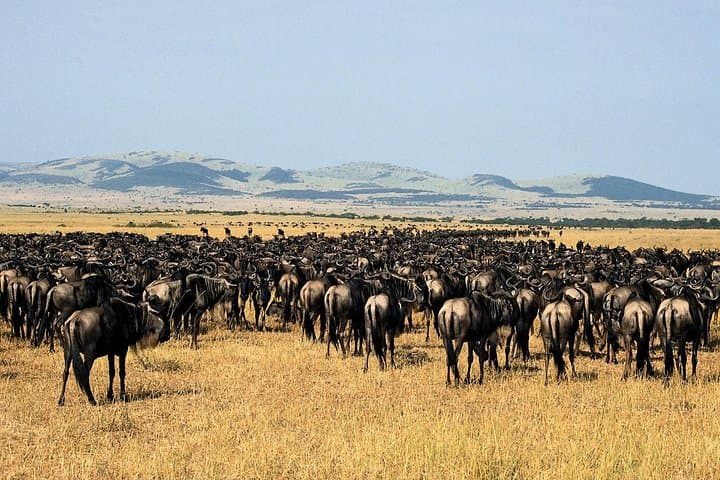
The sun is already a coin above the horizon when your vehicle slips off the dusty road and into the Serengeti’s wide-open stage. Acacia shadows stretch across golden grass; a distant bluff of weathered kopjes watches herds moving like a living river. Morning game drives place you inches from grazing wildebeest and scanning crowns of thorn for resting lions—each turn of the track reorders priorities.
Verified experiences and guided adventures in the surrounding area.
Operated by Gracepatt Safaris · Serengeti, Mara Region
The sun is already a coin above the horizon when your vehicle slips off the dusty road and into the Serengeti’s wide-open stage. Acacia shadows stretch across golden grass; a distant bluff of weathered kopjes watches herds moving like a living river. Morning game drives place you inches from grazing wildebeest and scanning crowns of thorn for resting lions—each turn of the track reorders priorities.
This four-day route follows a classic loop from Arusha (325 km; roughly eight hours’ drive) through Olduvai Gorge—where Leakey family discoveries rewrote human origins—to the Seronera and central plains. Geologically the Serengeti is an ancient volcanic plateau, its shallow soils and seasonal rains shaping the sweeping grasslands that drive the great migration. Culturally, Maasai communities sit on the park’s edges; their livestock and traditions have coexisted with wildlife for generations.
Practical realities matter: game drives take hours and most viewing happens from a raised 4x4, not on foot. Expect early starts, dusty conditions, and long stretches between services—pack water, layers for temperature swings, and extra camera batteries. Guides read animal behavior and seasonal movement; timing determines whether you’ll witness river crossings or calving in the southern plains.
Bring neutral clothing to avoid spooking animals, a good pair of binoculars, and patience—wildlife doesn’t appear on cue. Follow park rules, respect distances, and plan logistics (park fees, malaria prevention, and vehicle transfers) in advance. Over four days you’ll collect real encounters: close-up big cats, thunderous herds, and afternoons when the landscape itself seems to breathe.
easy.
4 days.
Minimal walking required; be comfortable with several hours in a vehicle each day and short walks at lodges/camps.
Migration timing shifts by year, but broadly December–March favors southern calving grounds, while May–July brings western corridor movement and river crossings near the Mara.
Vehicle-based game drives accommodate most fitness levels, but expect bumpy roads and limited wheelchair access—check lodges for specific accessibility features.
Consult your doctor for up-to-date recommendations; malaria prophylaxis and routine vaccinations are commonly advised for northern Tanzania.
Carry some US dollars and Tanzanian shillings; tipping guides and lodge staff is customary—budget around 10–15 USD per person per day for guides, adjusted by service.
Olduvai Gorge on the route is one of humanity’s most important paleoanthropological sites where the Leakeys found Homo habilis fossils.
Serengeti is a UNESCO World Heritage Site; stick to roads, avoid single-use plastics, and support operators that contribute to community-led conservation.
Gracepatt Safaris operates guided outdoor trips and adventures with an emphasis on safety, stewardship, and memorable experiences.
The sun is already a coin above the horizon when your vehicle slips off the dusty road and into the Serengeti’s wide-open stage. Acacia shadows stretch across golden grass; a distant bluff of weathered kopjes watches herds moving like a living river. Morning game drives place you inches from grazing wildebeest and scanning crowns of thorn for resting lions—each turn of the track reorders priorities.
The sun is already a coin above the horizon when your vehicle slips off the dusty road and into the Serengeti’s wide-open stage. Acacia shadows stretch across golden grass; a distant bluff of weathered kopjes watches herds moving like a living river. Morning game drives place you inches from grazing wildebeest and scanning crowns of thorn for resting lions—each turn of the track reorders priorities.
This four-day route follows a classic loop from Arusha (325 km; roughly eight hours’ drive) through Olduvai Gorge—where Leakey family discoveries rewrote human origins—to the Seronera and central plains. Geologically the Serengeti is an ancient volcanic plateau, its shallow soils and seasonal rains shaping the sweeping grasslands that drive the great migration. Culturally, Maasai communities sit on the park’s edges; their livestock and traditions have coexisted with wildlife for generations.
Practical realities matter: game drives take hours and most viewing happens from a raised 4x4, not on foot. Expect early starts, dusty conditions, and long stretches between services—pack water, layers for temperature swings, and extra camera batteries. Guides read animal behavior and seasonal movement; timing determines whether you’ll witness river crossings or calving in the southern plains.
Bring neutral clothing to avoid spooking animals, a good pair of binoculars, and patience—wildlife doesn’t appear on cue. Follow park rules, respect distances, and plan logistics (park fees, malaria prevention, and vehicle transfers) in advance. Over four days you’ll collect real encounters: close-up big cats, thunderous herds, and afternoons when the landscape itself seems to breathe.