THE ADVENTURE COLLECTIVE® · Independent discovery and booking for outdoor travel

Four days of classic East African safari: Tarangire’s elephants, Serengeti’s sweeping plains and Ngorongoro’s crater wildlife, camping at public sites. Expect early game drives, long but scenic transfers, and basic campsite comforts under startling night skies.
Four days of classic East African safari: Tarangire’s elephants, Serengeti’s sweeping plains and Ngorongoro’s crater wildlife, camping at public sites. Expect early game drives, long but scenic transfers, and basic campsite comforts under startling night skies.
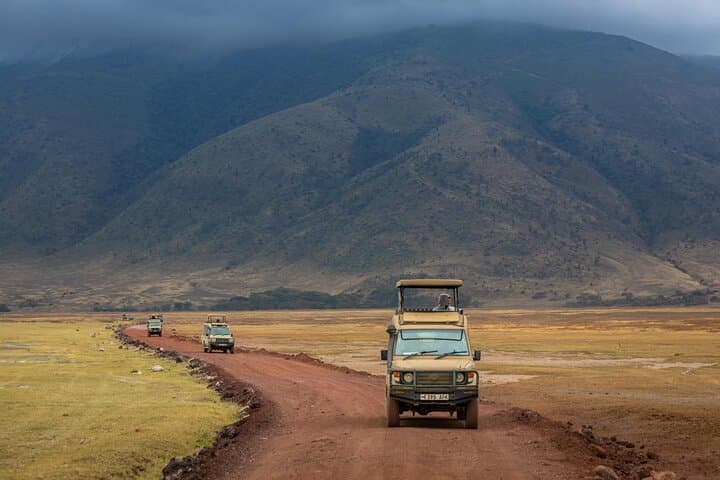
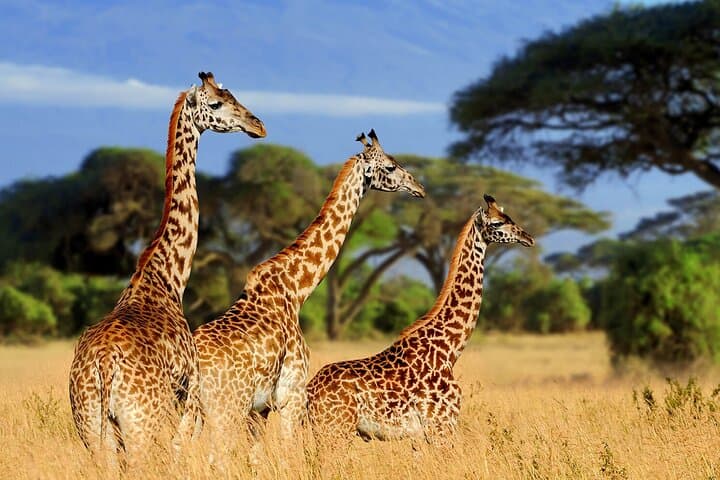
Dawn breaks over a dust-slicked track as the Land Cruiser hums out of Arusha, early light catching the serrated silhouette of acacia trees. By midday the landscape opens to Tarangire’s elephant-dotted plains; by the second day the Serengeti’s flat, wind-swept savanna rolls under the vehicle like an ocean. Nights are spent under canvas, the sky pushing stars close enough to count.
Verified experiences and guided adventures in the surrounding area.
Operated by Herbivore African Expeditions · Arusha, Arusha Region
Dawn breaks over a dust-slicked track as the Land Cruiser hums out of Arusha, early light catching the serrated silhouette of acacia trees. By midday the landscape opens to Tarangire’s elephant-dotted plains; by the second day the Serengeti’s flat, wind-swept savanna rolls under the vehicle like an ocean. Nights are spent under canvas, the sky pushing stars close enough to count.
This route threads three geological and cultural jewels: Tarangire’s baobabs and seasonal river systems shaped by ancient tectonics, the Serengeti’s broad grasslands formed on volcanic ash, and Ngorongoro’s great caldera — a collapsed volcano now hosting a dense, biodiverse crater floor. The Maasai people maintain pastoral homesteads on the highlands; entrance fees and community tourism programs help fund conservation and local services.
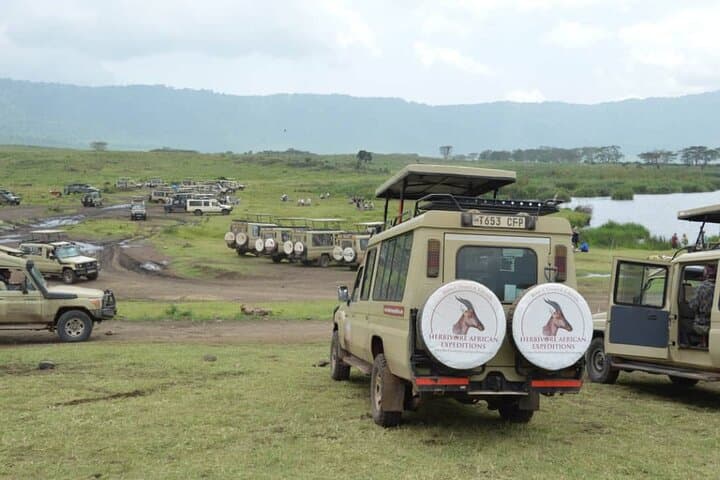
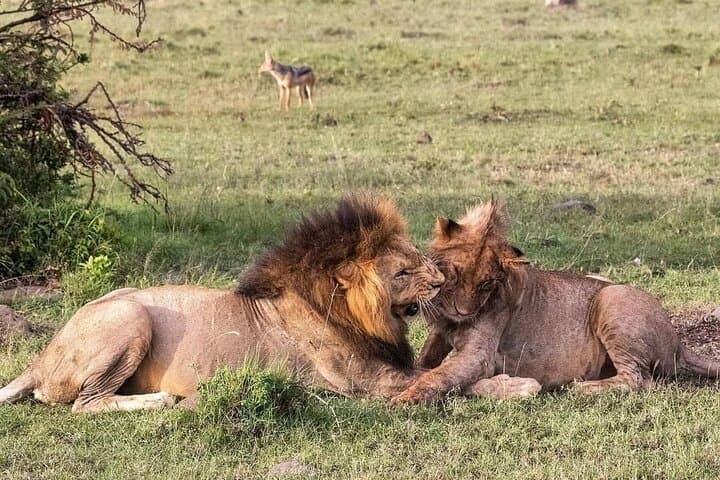
Expect game drives from first light and late afternoon, long vehicle transfers across the Rift escarpment, and camping at public sites with basic facilities. Wildlife sighting chances are high — big cats, herds of wildebeest, elephants and flamingos at soda lakes — but sightings aren’t guaranteed and depend on season and migration patterns.
Bring layered clothing for cold crater mornings, rain protection for the long rains, high-SPF sun protection, and a headlamp for campsite routines. Hydrate frequently on drives and carry cash for tips and small purchases at rest stops. The itinerary suits travelers ready for rustic accommodations, sustained vehicle time, and the reward of close wildlife encounters in some of East Africa’s most iconic habitats.
moderate.
4 days.
Moderate fitness: able to handle multi-hour vehicle drives, short walks on uneven ground, and basic camping conditions.
Yes — entrance and conservation fees for Tarangire, Serengeti and Ngorongoro are included in the advertised inclusions.
This is public-campsite camping: basic facilities, communal latrines, and a simple ranger presence; bring a sleeping liner for hygiene and comfort.
Migration timing varies; large concentrations typically pass through the Serengeti at different times of year — dry-season months often offer more predictable predator and herbivore aggregations.
Not recommended for travelers with spinal injuries, poor cardiovascular health, or pregnant travelers; check operator policies for age limits.
Ngorongoro is a volcanic caldera formed when a giant volcano collapsed roughly two to three million years ago; the area is also culturally important to Maasai pastoralists who live on the highlands.
Tourism revenues support park management and local community programs; practice low-impact behavior — keep distance from wildlife, avoid single-use plastics and follow guide instructions.
Herbivore African Expeditions operates guided outdoor trips and adventures with an emphasis on safety, stewardship, and memorable experiences.
Dawn breaks over a dust-slicked track as the Land Cruiser hums out of Arusha, early light catching the serrated silhouette of acacia trees. By midday the landscape opens to Tarangire’s elephant-dotted plains; by the second day the Serengeti’s flat, wind-swept savanna rolls under the vehicle like an ocean. Nights are spent under canvas, the sky pushing stars close enough to count.
Dawn breaks over a dust-slicked track as the Land Cruiser hums out of Arusha, early light catching the serrated silhouette of acacia trees. By midday the landscape opens to Tarangire’s elephant-dotted plains; by the second day the Serengeti’s flat, wind-swept savanna rolls under the vehicle like an ocean. Nights are spent under canvas, the sky pushing stars close enough to count.
This route threads three geological and cultural jewels: Tarangire’s baobabs and seasonal river systems shaped by ancient tectonics, the Serengeti’s broad grasslands formed on volcanic ash, and Ngorongoro’s great caldera — a collapsed volcano now hosting a dense, biodiverse crater floor. The Maasai people maintain pastoral homesteads on the highlands; entrance fees and community tourism programs help fund conservation and local services.
Expect game drives from first light and late afternoon, long vehicle transfers across the Rift escarpment, and camping at public sites with basic facilities. Wildlife sighting chances are high — big cats, herds of wildebeest, elephants and flamingos at soda lakes — but sightings aren’t guaranteed and depend on season and migration patterns.
Bring layered clothing for cold crater mornings, rain protection for the long rains, high-SPF sun protection, and a headlamp for campsite routines. Hydrate frequently on drives and carry cash for tips and small purchases at rest stops. The itinerary suits travelers ready for rustic accommodations, sustained vehicle time, and the reward of close wildlife encounters in some of East Africa’s most iconic habitats.