THE ADVENTURE COLLECTIVE® · Independent discovery and booking for outdoor travel

A compact four-day loop linking Nyerere (Selous) and Mikumi delivers boat safaris on the Rufiji and classic open-plain game drives. Expect long drives, early starts, and high chances of elephants, buffalo, giraffe and large birdlife.
A compact four-day loop linking Nyerere (Selous) and Mikumi delivers boat safaris on the Rufiji and classic open-plain game drives. Expect long drives, early starts, and high chances of elephants, buffalo, giraffe and large birdlife.
Dawn on the Rufiji feels deliberate: the river pushes a cool mist across the boat as hippos grumble and kingfishers flash like punctuation. You step from Jimbiza’s shaded jetty into a landscape that alternates between wide floodplain and scrappy miombo woodland, every bend of the river offering a new line of sight to grazing elephants or a giraffe pausing to sniff the morning air.
Verified experiences and guided adventures in the surrounding area.
Operated by Mikumi Holiday Safaris · Mikumi, Morogoro Region
Dawn on the Rufiji feels deliberate: the river pushes a cool mist across the boat as hippos grumble and kingfishers flash like punctuation. You step from Jimbiza’s shaded jetty into a landscape that alternates between wide floodplain and scrappy miombo woodland, every bend of the river offering a new line of sight to grazing elephants or a giraffe pausing to sniff the morning air.
The route links two distinct pieces of Tanzania’s southern circuit. Selous—now Nyerere National Park—was long a hunting ground turned protected wilderness named for explorer Frederick Selous; its broad floodplain is shaped by the Rufiji’s seasonal pulses. Mikumi sits at the northern edge of the Southern Highlands, where open savanna and granite outcrops give way to observation towers that let you scan game across long grass.
Cultural threads run through the trip: roadside villages, markets in Morogoro, and pastoral communities whose lives still follow the rains. Geology is quiet but present—river-deposited silt in Selous, eroded granite kopjes in Mikumi—both influencing where game concentrates.
Practically, expect early starts, long transfers and two complementary modes of viewing: boat safaris on the Rufiji and vehicle game drives in both parks. Bring malaria protection, binoculars, and layered sun protection. Game is best at dawn and dusk; mid-day is for lodge lunches and birdwatching. Guides read animal movement here the way cartographers read contours—trust them, keep cameras ready, and respect park rules. With reasonable fitness and good preparation, this four-day loop delivers classic East African wildlife viewing with a pragmatic, minimal-hassle itinerary.
moderate.
4 days.
Moderate; you should be comfortable with several hours in safari vehicles and short, uneven walks at viewpoints
Routine vaccines plus yellow fever (if required by travel history) and malaria prophylaxis are recommended; check a travel clinic for current advice.
Expect long transfers—early pickup from Dar then several multi-hour drives between parks; much of the wildlife viewing itself is done from vehicles or boats.
This itinerary lists breakfasts, lunches and most dinners included, as well as fees and taxes, but confirm details with the operator for any extras or premium activities.
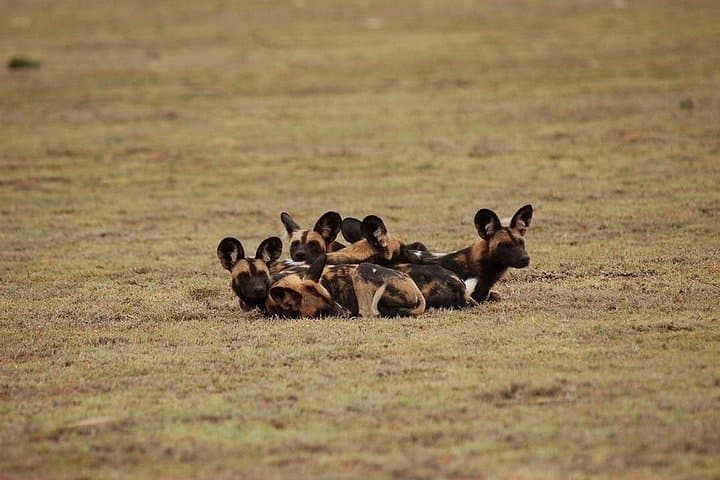
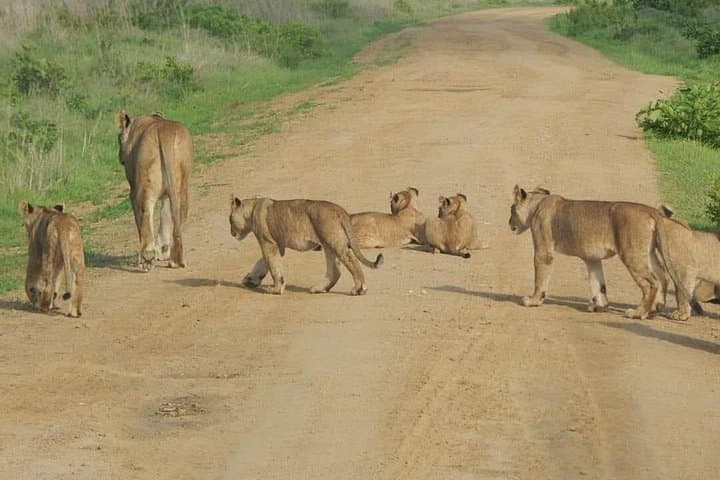
High likelihood of elephants, buffalo, giraffe, zebra and a strong diversity of waterbirds; predators are present but sightings (lion, leopard, wild dog) are less guaranteed.
Selous was named for Frederick Selous and shifted from hunting concession to protected reserve in the 20th century; recent reclassification created Nyerere National Park to strengthen conservation.
The area benefits from community-based conservation and tourism revenues; visitors should minimize single-use plastics and follow park rules to reduce wildlife disturbance.
Mikumi Holiday Safaris operates guided outdoor trips and adventures with an emphasis on safety, stewardship, and memorable experiences.
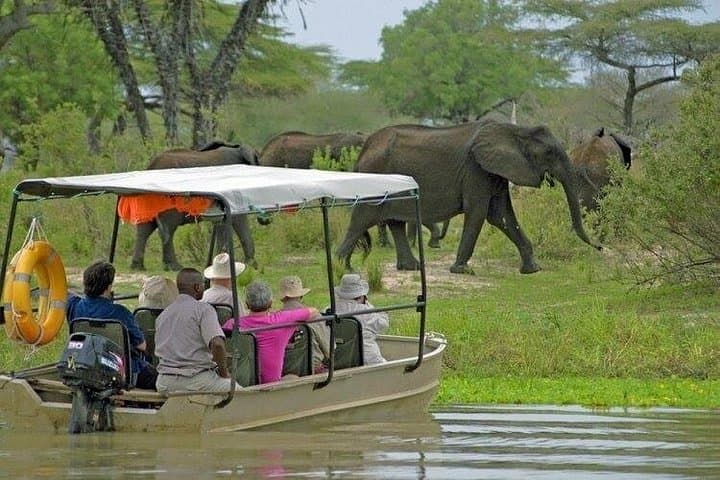
Dawn on the Rufiji feels deliberate: the river pushes a cool mist across the boat as hippos grumble and kingfishers flash like punctuation. You step from Jimbiza’s shaded jetty into a landscape that alternates between wide floodplain and scrappy miombo woodland, every bend of the river offering a new line of sight to grazing elephants or a giraffe pausing to sniff the morning air.
Dawn on the Rufiji feels deliberate: the river pushes a cool mist across the boat as hippos grumble and kingfishers flash like punctuation. You step from Jimbiza’s shaded jetty into a landscape that alternates between wide floodplain and scrappy miombo woodland, every bend of the river offering a new line of sight to grazing elephants or a giraffe pausing to sniff the morning air.
The route links two distinct pieces of Tanzania’s southern circuit. Selous—now Nyerere National Park—was long a hunting ground turned protected wilderness named for explorer Frederick Selous; its broad floodplain is shaped by the Rufiji’s seasonal pulses. Mikumi sits at the northern edge of the Southern Highlands, where open savanna and granite outcrops give way to observation towers that let you scan game across long grass.
Cultural threads run through the trip: roadside villages, markets in Morogoro, and pastoral communities whose lives still follow the rains. Geology is quiet but present—river-deposited silt in Selous, eroded granite kopjes in Mikumi—both influencing where game concentrates.
Practically, expect early starts, long transfers and two complementary modes of viewing: boat safaris on the Rufiji and vehicle game drives in both parks. Bring malaria protection, binoculars, and layered sun protection. Game is best at dawn and dusk; mid-day is for lodge lunches and birdwatching. Guides read animal movement here the way cartographers read contours—trust them, keep cameras ready, and respect park rules. With reasonable fitness and good preparation, this four-day loop delivers classic East African wildlife viewing with a pragmatic, minimal-hassle itinerary.