THE ADVENTURE COLLECTIVE® · Independent discovery and booking for outdoor travel

Drive the equator, track Samburu’s special five and watch elephants visit Aberdares waterholes on a focused 4‑day safari. This trip pairs northern plains game drives with montane viewing decks for contrasting wildlife encounters.
Drive the equator, track Samburu’s special five and watch elephants visit Aberdares waterholes on a focused 4‑day safari. This trip pairs northern plains game drives with montane viewing decks for contrasting wildlife encounters.
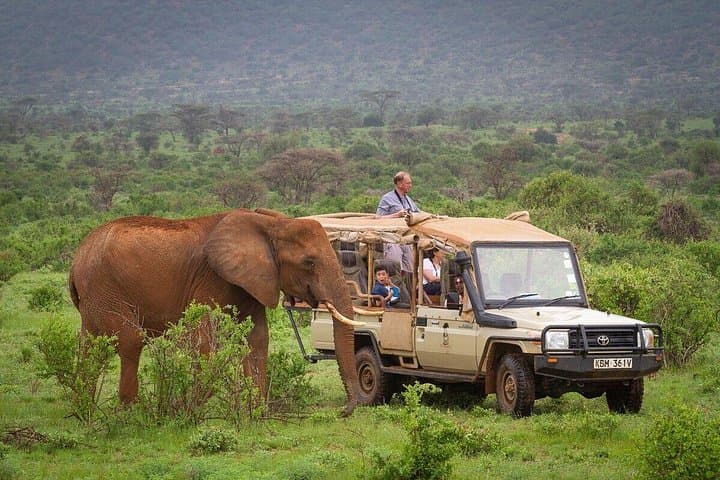
A dust-silvered sunrise pushes through the acacia as your safari vehicle winds north from Nairobi, the Ewaso Nyiro river daring you to look closer. By midday you cross the equator at Nanyuki — a traffic-streaked marker that feels like a thin line between ecosystems — then continue into Samburu’s sunbaked plains where reticulated giraffes and the special five stake out territory along dry riverbeds.
Verified experiences and guided adventures in the surrounding area.
Operated by Samsons Safaris · Nairobi, Nairobi County
A dust-silvered sunrise pushes through the acacia as your safari vehicle winds north from Nairobi, the Ewaso Nyiro river daring you to look closer. By midday you cross the equator at Nanyuki — a traffic-streaked marker that feels like a thin line between ecosystems — then continue into Samburu’s sunbaked plains where reticulated giraffes and the special five stake out territory along dry riverbeds.
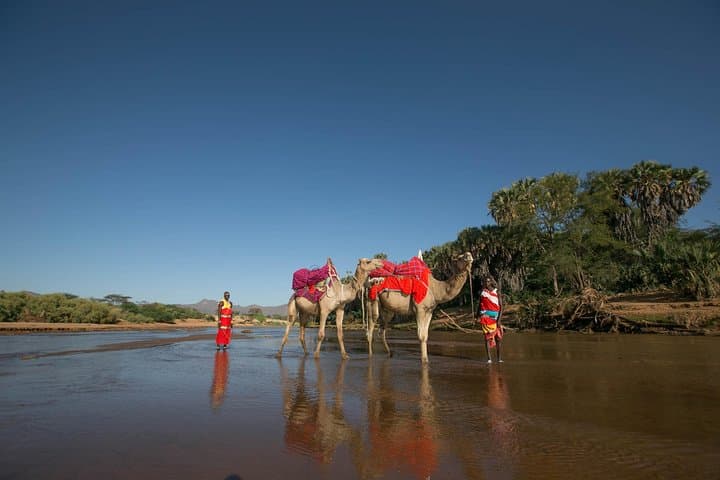
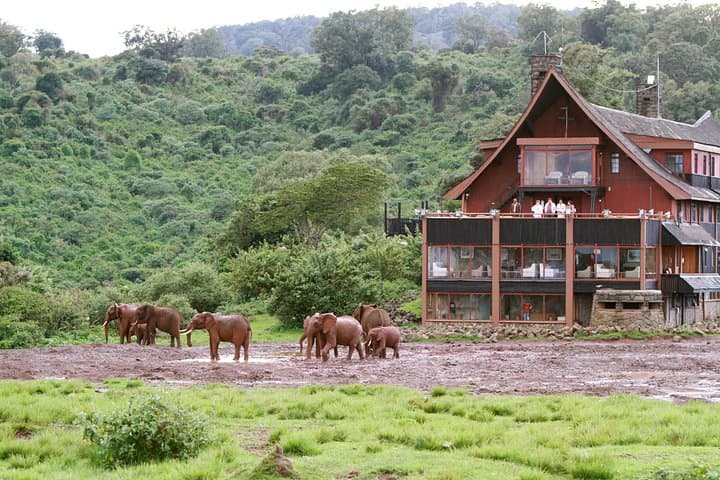
Samburu sits on the northern edge of Kenya’s rift-system; its semi-arid plains and the braided Ewaso Nyiro contrast sharply with the Aberdares’ forested escarpments. The Aberdares, rising toward 3,900–4,000 m, were carved by ancient volcanic forces and now hold montane forest, moorland and permanent waterholes that draw elephant and buffalo to The Ark’s viewing decks. Local culture is visible along the route — Samburu pastoralists with beaded regalia and a living livestock economy that shapes seasonal movements and wildlife encounters.
Expect early morning and late-afternoon game drives, shared transport between lodges, and lodge-based waterhole viewing in the Aberdares. Distances are long: Nairobi to Samburu is typically a 5–6 hour drive; Samburu to the Aberdares can take 4–6 hours depending on stops. Wildlife viewing is best in drier months when animals concentrate at water.
Practical tips: pack layers for cool Aberdares nights, bring binoculars and a camera with a telephoto lens, carry refillable water and modest cash for tips. If you want clear sightings and fewer mosquitoes, schedule the trip outside the April–May long rains. The trip balances vehicle-based ease with meaningful time in Kenya’s contrasting wilds.
easy.
4 days (approx. 96 hours).
Suitable for most fitness levels; expect vehicle-based travel with short walks and uneven lodge areas
Plan on approximately 5–6 hours depending on traffic and stops; the route crosses the equator near Nanyuki.
Vaccinations depend on your home country’s advice; malaria risk exists in parts of Kenya — consult a travel clinic for personalized recommendations.
Samburu highlights the ‘special five’ (gerenuk, Grevy’s zebra, reticulated giraffe, oryx, Somali ostrich); elephants and buffalo are commonly seen in the Aberdares but sightings of all Big Five are not guaranteed.
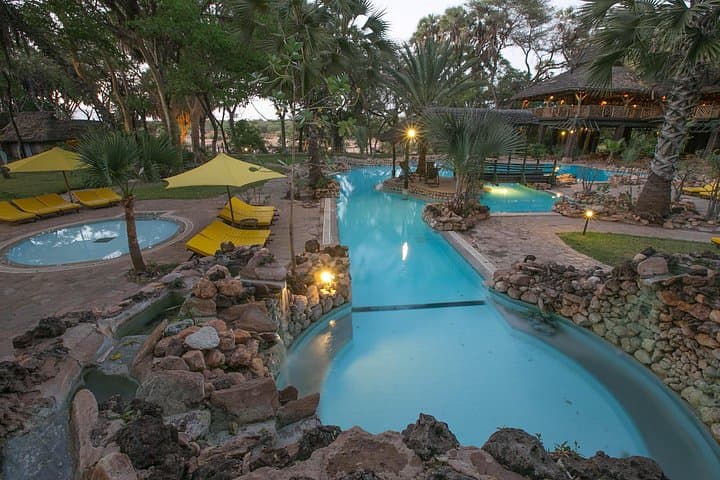
Lodges in this itinerary are mid-to-upscale, offering private rooms, meals and guided shared game drives; expect waterhole viewing decks at Aberdares lodges like The Ark.
The Aberdares and Samburu sit within landscapes shaped by colonial-era reserves and post-independence conservation efforts; pastoral Samburu culture remains central to northern Kenya’s human landscape.
Support lodges and guides that practice responsible viewing—keep distance from wildlife, avoid single-use plastics and follow park rules to reduce disturbance at waterholes.
Samsons Safaris operates guided outdoor trips and adventures with an emphasis on safety, stewardship, and memorable experiences.
A dust-silvered sunrise pushes through the acacia as your safari vehicle winds north from Nairobi, the Ewaso Nyiro river daring you to look closer. By midday you cross the equator at Nanyuki — a traffic-streaked marker that feels like a thin line between ecosystems — then continue into Samburu’s sunbaked plains where reticulated giraffes and the special five stake out territory along dry riverbeds.
A dust-silvered sunrise pushes through the acacia as your safari vehicle winds north from Nairobi, the Ewaso Nyiro river daring you to look closer. By midday you cross the equator at Nanyuki — a traffic-streaked marker that feels like a thin line between ecosystems — then continue into Samburu’s sunbaked plains where reticulated giraffes and the special five stake out territory along dry riverbeds.
Samburu sits on the northern edge of Kenya’s rift-system; its semi-arid plains and the braided Ewaso Nyiro contrast sharply with the Aberdares’ forested escarpments. The Aberdares, rising toward 3,900–4,000 m, were carved by ancient volcanic forces and now hold montane forest, moorland and permanent waterholes that draw elephant and buffalo to The Ark’s viewing decks. Local culture is visible along the route — Samburu pastoralists with beaded regalia and a living livestock economy that shapes seasonal movements and wildlife encounters.
Expect early morning and late-afternoon game drives, shared transport between lodges, and lodge-based waterhole viewing in the Aberdares. Distances are long: Nairobi to Samburu is typically a 5–6 hour drive; Samburu to the Aberdares can take 4–6 hours depending on stops. Wildlife viewing is best in drier months when animals concentrate at water.
Practical tips: pack layers for cool Aberdares nights, bring binoculars and a camera with a telephoto lens, carry refillable water and modest cash for tips. If you want clear sightings and fewer mosquitoes, schedule the trip outside the April–May long rains. The trip balances vehicle-based ease with meaningful time in Kenya’s contrasting wilds.