THE ADVENTURE COLLECTIVE® · Independent discovery and booking for outdoor travel

Travel from colonial Salta into the chromatic mountains of the Quebrada de Humahuaca and the high-altitude vineyards of Cafayate across four purposeful days. Expect long scenic drives, market stops, winery tastings, and sharp altitude changes—plan for hydration and layered clothing.
Travel from colonial Salta into the chromatic mountains of the Quebrada de Humahuaca and the high-altitude vineyards of Cafayate across four purposeful days. Expect long scenic drives, market stops, winery tastings, and sharp altitude changes—plan for hydration and layered clothing.
The morning air in Salta tastes of dust and citrus; streets open slowly while the Andes push light across red and ochre hills. On this four-day route, travelers move from the colonial calm of Salta’s plaza to the wind-sculpted ridges of the Quebrada de Humahuaca and the sun-drenched vineyards of Cafayate. The landscape insists on being noticed—rock strata stacked like pages in a slow geological book, and highland towns that keep centuries of craft and faith in their markets and chapels.
Verified experiences and guided adventures in the surrounding area.
Operated by Signature Tours · Salta, Salta
The morning air in Salta tastes of dust and citrus; streets open slowly while the Andes push light across red and ochre hills. On this four-day route, travelers move from the colonial calm of Salta’s plaza to the wind-sculpted ridges of the Quebrada de Humahuaca and the sun-drenched vineyards of Cafayate. The landscape insists on being noticed—rock strata stacked like pages in a slow geological book, and highland towns that keep centuries of craft and faith in their markets and chapels.
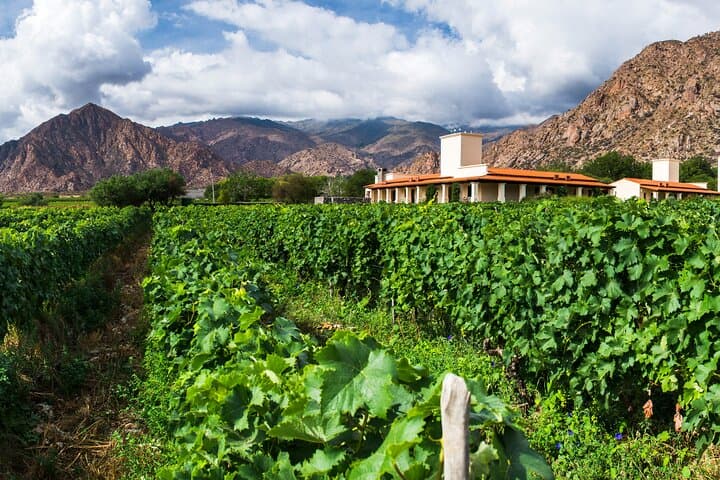
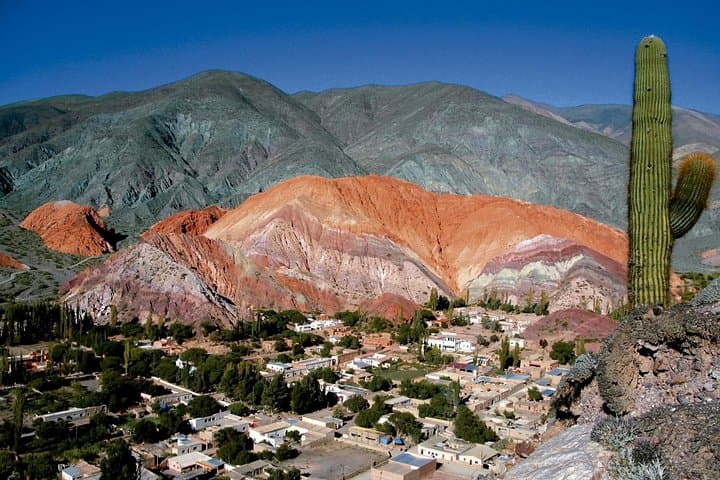
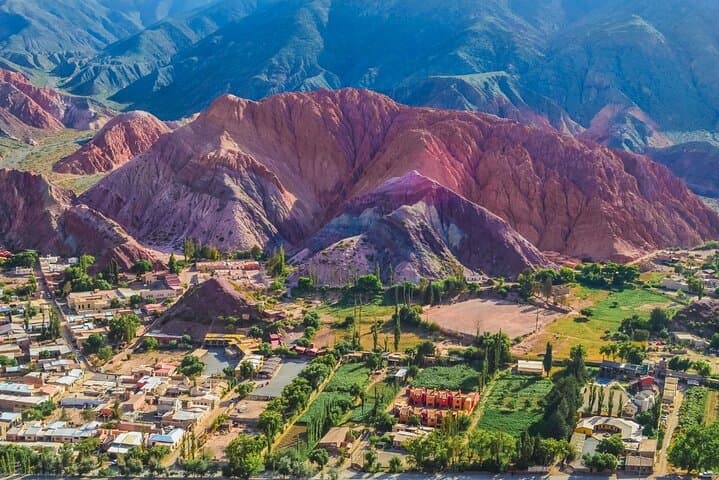
Humahuaca’s hills record tectonic lift and arid weathering: the famous Hill of Seven Colors is a visible archive of mineral bands shaped over millions of years. The villages—Purmamarca, Tilcara, Humahuaca—carry indigenous Quechua and Diaguita influences, colonial architecture, and artisan markets selling woven textiles and ceramics. In Cafayate, altitude and cool nights coax the floral Torrontés grape into vibrant perfumes; small bodegas mix old-world technique with high-altitude idiosyncrasy.
Practical navigation is straightforward: day trips radiate from Salta with hotel pickups; expect long drives over paved and gravel roads, few precipitous sections, and sudden altitude gains up to nearly 3,000 m in Humahuaca. Hydration and slow pacing are essential; bring layered clothing for hot valley days and cold evenings. Wineries offer tastings and short walks—comfortable shoes and sun protection are recommended. Plan departures early to avoid afternoon wind and to get the best light for landscapes and photography. With a modest level of fitness and respect for altitude, this itinerary delivers geology, culture, and wine in a compact, purposeful package.
moderate.
4 days.
Suitable for travelers in average physical condition able to handle several hours of walking and long vehicle transfers; take it slow at altitude.
Humahuaca reaches nearly 3,000 m; drink plenty of water, avoid heavy exertion on arrival days, and allow time to acclimatize—seek medical attention for severe symptoms.
Yes—this itinerary includes visits to two wineries in Cafayate with standard tastings; additional premium tastings may be available at the venue for a fee.
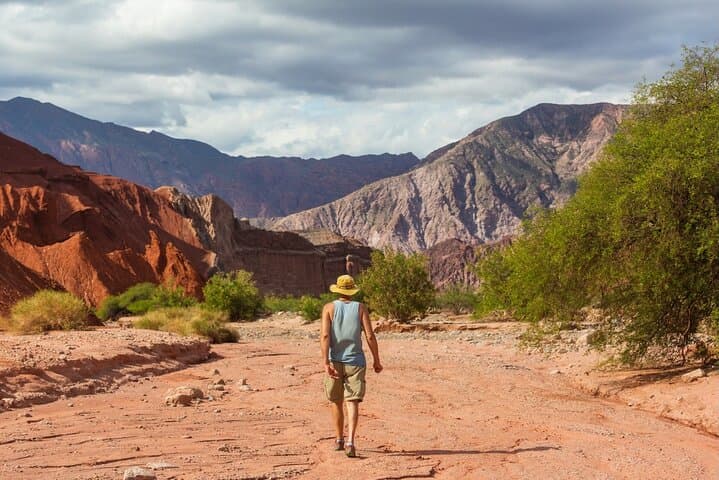
Expect light-to-moderate walking: town markets, short vineyard strolls, and viewpoints with uneven ground; no technical hiking is required.
Yes—daily transfers and round-trip transport from Salta are included for the excursions; pick-up and drop-off details are arranged by the operator.
The Quebrada de Humahuaca has been a transport corridor for over 10,000 years and was a key route for pre-Columbian trade; colonial and indigenous cultures overlap in its towns and chapels.
Visitors should respect fragile highland soils and stick to marked paths; support local economies by buying crafts directly from artisans and using established tour operators to limit environmental impact.
Signature Tours operates guided outdoor trips and adventures with an emphasis on safety, stewardship, and memorable experiences.
The morning air in Salta tastes of dust and citrus; streets open slowly while the Andes push light across red and ochre hills. On this four-day route, travelers move from the colonial calm of Salta’s plaza to the wind-sculpted ridges of the Quebrada de Humahuaca and the sun-drenched vineyards of Cafayate. The landscape insists on being noticed—rock strata stacked like pages in a slow geological book, and highland towns that keep centuries of craft and faith in their markets and chapels.
The morning air in Salta tastes of dust and citrus; streets open slowly while the Andes push light across red and ochre hills. On this four-day route, travelers move from the colonial calm of Salta’s plaza to the wind-sculpted ridges of the Quebrada de Humahuaca and the sun-drenched vineyards of Cafayate. The landscape insists on being noticed—rock strata stacked like pages in a slow geological book, and highland towns that keep centuries of craft and faith in their markets and chapels.
Humahuaca’s hills record tectonic lift and arid weathering: the famous Hill of Seven Colors is a visible archive of mineral bands shaped over millions of years. The villages—Purmamarca, Tilcara, Humahuaca—carry indigenous Quechua and Diaguita influences, colonial architecture, and artisan markets selling woven textiles and ceramics. In Cafayate, altitude and cool nights coax the floral Torrontés grape into vibrant perfumes; small bodegas mix old-world technique with high-altitude idiosyncrasy.
Practical navigation is straightforward: day trips radiate from Salta with hotel pickups; expect long drives over paved and gravel roads, few precipitous sections, and sudden altitude gains up to nearly 3,000 m in Humahuaca. Hydration and slow pacing are essential; bring layered clothing for hot valley days and cold evenings. Wineries offer tastings and short walks—comfortable shoes and sun protection are recommended. Plan departures early to avoid afternoon wind and to get the best light for landscapes and photography. With a modest level of fitness and respect for altitude, this itinerary delivers geology, culture, and wine in a compact, purposeful package.